
Corn During Monsoon: Health Benefits You Should Know Before Eating

The arrival of the monsoon brings with it one of the season's most loved treats: fresh corn. Whether roasted over hot coals by the roadside or boiled and seasoned with lemon and spices at home, corn has become closely associated with rainy days across many parts of the world. Beyond its comforting taste and nostalgic appeal, corn is packed with nutrients that can support overall health during the rainy season. It provides energy, fibre, vitamins and antioxidants while fitting easily into a balanced diet. Understanding its nutritional value and the best ways to enjoy it can help you make the most of this seasonal favourite.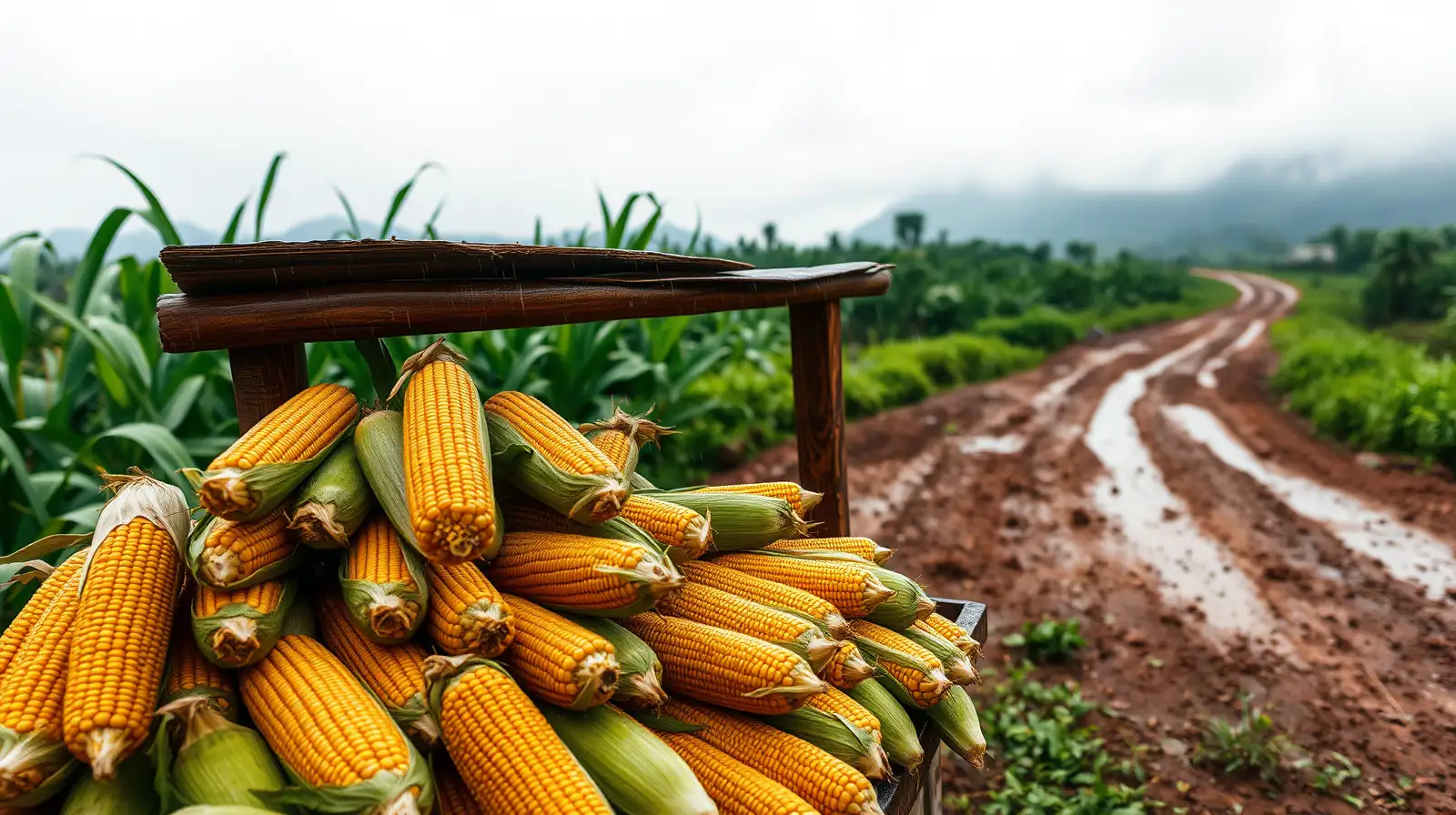
Unlike many processed snacks, corn is a whole grain that offers valuable nutrients along with its naturally satisfying taste. When prepared simply, it is both delicious and nutritious.
The fibre in corn supports healthy digestion by promoting regular bowel movements and helping maintain a healthy gut. Because it digests more slowly than refined carbohydrates, corn also provides steady energy, making it an ideal snack during busy days.
Yellow corn is also rich in carotenoids such as lutein and zeaxanthin, natural antioxidants that play an important role in maintaining healthy vision.
This makes roasted or boiled corn an excellent option for school children, office workers and anyone looking for a filling yet wholesome snack between meals.
Although corn alone cannot prevent illness, eating a varied diet rich in seasonal vegetables, fruits and whole grains contributes to overall immune health.
Corn can also be added to soups, vegetable salads, wholegrain sandwiches or homemade chaat for extra texture and nutrition. Preparing it fresh at home also reduces the risk of contamination compared with food left uncovered outdoors.
Interestingly, the bright yellow colour of many corn varieties comes from natural pigments that also function as antioxidants. These compounds are linked with supporting long-term eye health and protecting cells from oxidative stress.
Its combination of fibre, vitamins, minerals and satisfying flavour makes it an easy addition to everyday meals. Choosing seasonal corn also supports local farmers and allows people to enjoy produce when it is naturally at its freshest.
Why Corn Is a Popular Monsoon Food
Fresh corn reaches its peak during the monsoon in many regions, making it more flavourful and widely available. Rainy weather also creates the perfect atmosphere for enjoying warm, freshly cooked foods, and roasted or boiled corn has long been a favourite seasonal snack.Unlike many processed snacks, corn is a whole grain that offers valuable nutrients along with its naturally satisfying taste. When prepared simply, it is both delicious and nutritious.
Rich in Fibre and Essential Nutrients
One of the biggest health benefits of corn is its impressive nutritional profile. It contains dietary fibre, complex carbohydrates, vitamin C, several B vitamins, magnesium, phosphorus and potassium.The fibre in corn supports healthy digestion by promoting regular bowel movements and helping maintain a healthy gut. Because it digests more slowly than refined carbohydrates, corn also provides steady energy, making it an ideal snack during busy days.
Yellow corn is also rich in carotenoids such as lutein and zeaxanthin, natural antioxidants that play an important role in maintaining healthy vision.
Supports Energy During Damp Weather
Many people feel tired or sluggish during the rainy season because of changes in humidity, reduced sunlight and altered daily routines. Corn provides complex carbohydrates that supply gradual, sustained energy rather than the rapid rise and fall associated with sugary snacks.This makes roasted or boiled corn an excellent option for school children, office workers and anyone looking for a filling yet wholesome snack between meals.
May Strengthen Immunity
Maintaining a strong immune system becomes especially important during the monsoon, when seasonal infections tend to become more common. Corn contains vitamin C and antioxidants that help support the body's natural defence system.You may also like
- Delhi Metro shuts 18 stations amid ongoing CJP protest; interchange facilities to remain available; what travellers need to know
- Amanda Holden's go-to skincare brand reduces £90 vitamin C bundle down to £26
- Snake hiding inside tiny bedroom floor hole leaves internet stunned; Rescuer safely captures it
- Psychology says taking more short holidays may make you happier than one long vacation
- 6 Screaming Signs of Social Awkwardness
Although corn alone cannot prevent illness, eating a varied diet rich in seasonal vegetables, fruits and whole grains contributes to overall immune health.
Healthy Ways to Enjoy Corn
The healthiest way to eat corn during the rainy season is by roasting, boiling or steaming it. A squeeze of fresh lemon, a pinch of rock salt and mild spices can enhance its flavour without adding unnecessary fat.Corn can also be added to soups, vegetable salads, wholegrain sandwiches or homemade chaat for extra texture and nutrition. Preparing it fresh at home also reduces the risk of contamination compared with food left uncovered outdoors.
Lesser-Known Facts About Corn
Many people think of corn only as a vegetable, but nutritionally it is considered a whole grain when eaten in its mature form. It has been cultivated for thousands of years and remains one of the world's most widely grown cereal crops.Interestingly, the bright yellow colour of many corn varieties comes from natural pigments that also function as antioxidants. These compounds are linked with supporting long-term eye health and protecting cells from oxidative stress.
Why Corn Matters During the Monsoon
The rainy season often encourages cravings for fried snacks and heavily processed comfort foods. While enjoying occasional treats is perfectly reasonable, replacing some of these with freshly prepared corn offers a healthier alternative.Its combination of fibre, vitamins, minerals and satisfying flavour makes it an easy addition to everyday meals. Choosing seasonal corn also supports local farmers and allows people to enjoy produce when it is naturally at its freshest.






Loving Newspoint? Download the app now
