
Why Earth Has More Hidden Water Than Visible Water: The Mystery Beneath Our Feet

When we look at Earth from space, the planet appears to be covered by a vast blue ocean. Around 71 per cent of the Earth’s surface is covered with water, making it easy to believe that most of the planet’s water is visible in oceans, rivers, and lakes. However, a huge amount of water exists hidden beneath the surface, locked inside rocks, underground aquifers , glaciers, and even deep within the Earth’s crust. This invisible water system plays a crucial role in supporting life, maintaining ecosystems, and shaping the planet’s climate. The water we cannot see is just as important as the oceans that define our world.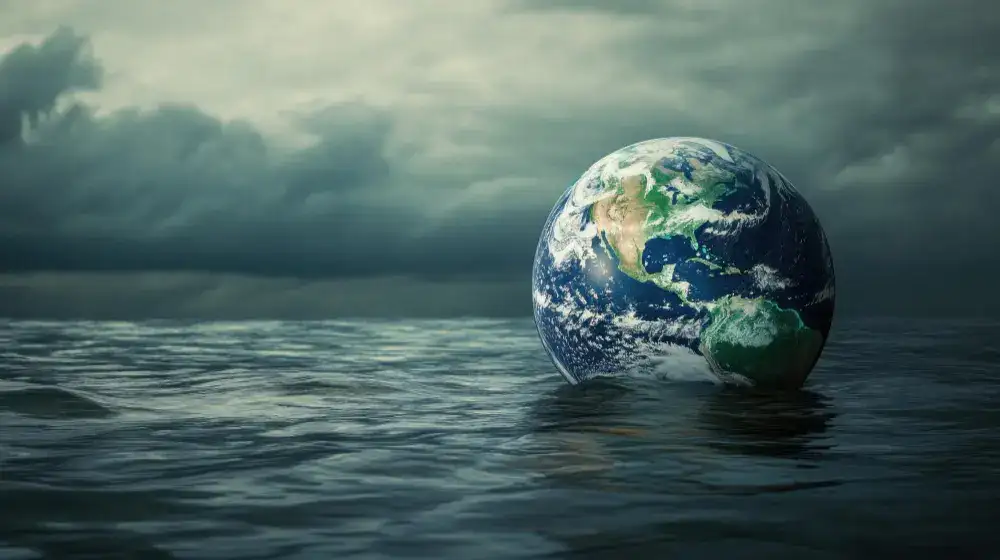
The freshwater that humans depend on is a much smaller portion. A large percentage of this freshwater is trapped in glaciers and ice sheets, particularly in regions such as Antarctica and Greenland.
Beyond visible water sources, underground reserves contain a significant amount of freshwater stored beneath the surface.
These underground water systems supply drinking water to billions of people and support agriculture around the world. In many regions, groundwater provides the majority of freshwater used for farming and daily needs.
However, because groundwater is hidden, people often underestimate how valuable and limited it can be. Some aquifers take thousands or even millions of years to refill naturally.
This does not mean there are underground oceans like those on the surface, but rather that enormous amounts of water may exist chemically trapped within minerals.
Some researchers believe this deep water cycle has been operating for millions of years, moving water between Earth’s interior and surface through geological processes.
Pollution, excessive extraction, and poor management can damage these hidden reserves, sometimes taking decades or centuries to recover.
The next time you drink a glass of water or watch rain fall, remember that Earth’s water is constantly moving through a massive natural system. Some of it flows on the surface, while much of it remains hidden below, storing the history of our planet and helping sustain life in ways we rarely notice.
Why Earth Has More Hidden Water Than Visible Water
Most of Earth’s Water Is Not Easily Accessible
Although Earth contains an enormous amount of water, most of it is not available for everyday human use. Around 96 per cent of the planet’s water is found in oceans, where high salt levels make it unsuitable for drinking without treatment.The freshwater that humans depend on is a much smaller portion. A large percentage of this freshwater is trapped in glaciers and ice sheets, particularly in regions such as Antarctica and Greenland.
Beyond visible water sources, underground reserves contain a significant amount of freshwater stored beneath the surface.
The Hidden World of Groundwater
Groundwater is one of Earth’s most important hidden resources. It exists in spaces between soil particles and cracks inside rocks, forming underground reservoirs known as aquifers.You may also like
- Psychology says that people who rotate the same few outfits tend to share these distinct decision-making habits
- People in their 60s and 70s preserve these old-school routines, and psychology says they are better for it
- Innovative Mehendi Designs for the Modern Generation
- Embrace the Mint Green Trend in Fashion and Beauty This Summer
- Essential Tips to Combat Hair Fall During Monsoon Season
These underground water systems supply drinking water to billions of people and support agriculture around the world. In many regions, groundwater provides the majority of freshwater used for farming and daily needs.
However, because groundwater is hidden, people often underestimate how valuable and limited it can be. Some aquifers take thousands or even millions of years to refill naturally.
Water Exists Deep Inside Earth’s Rocks
One of the most surprising discoveries in recent decades is that water can be stored deep within the Earth’s mantle. Scientists have found that certain minerals can hold water molecules inside their structure under extreme pressure.This does not mean there are underground oceans like those on the surface, but rather that enormous amounts of water may exist chemically trapped within minerals.
Some researchers believe this deep water cycle has been operating for millions of years, moving water between Earth’s interior and surface through geological processes.
The Importance of Hidden Water Today
Hidden water sources are becoming increasingly important as climate change, population growth, and rising demand put pressure on freshwater supplies. Protecting groundwater and understanding underground water systems are essential for future water security.Pollution, excessive extraction, and poor management can damage these hidden reserves, sometimes taking decades or centuries to recover.
A Planet Full of Invisible Water Stories
Earth’s water story is much larger than the oceans we see. Beneath forests, cities, deserts, and mountains lies a hidden network of water that quietly supports life every day.The next time you drink a glass of water or watch rain fall, remember that Earth’s water is constantly moving through a massive natural system. Some of it flows on the surface, while much of it remains hidden below, storing the history of our planet and helping sustain life in ways we rarely notice.






More from our partners


Loving Newspoint? Download the app now
