
Unusual Indian Summer Experiences: Hidden Festivals, Foods and Places You’ve Never Heard Of

India’s summers are often associated with heatwaves, crowded hill stations and the familiar rhythm of mangoes and chilled drinks. But beyond this predictable picture lies a far more intriguing side of the season. Across regions, summer is marked by unusual traditions, forgotten festivals, rare foods and cultural practices that many travellers never encounter. These Indian summer hacks are not about comfort alone but about discovery. They reveal how communities adapt creatively to heat while celebrating life in unexpected ways. Exploring these lesser-known experiences offers a deeper understanding of India’s diversity and the quiet richness of its seasonal culture.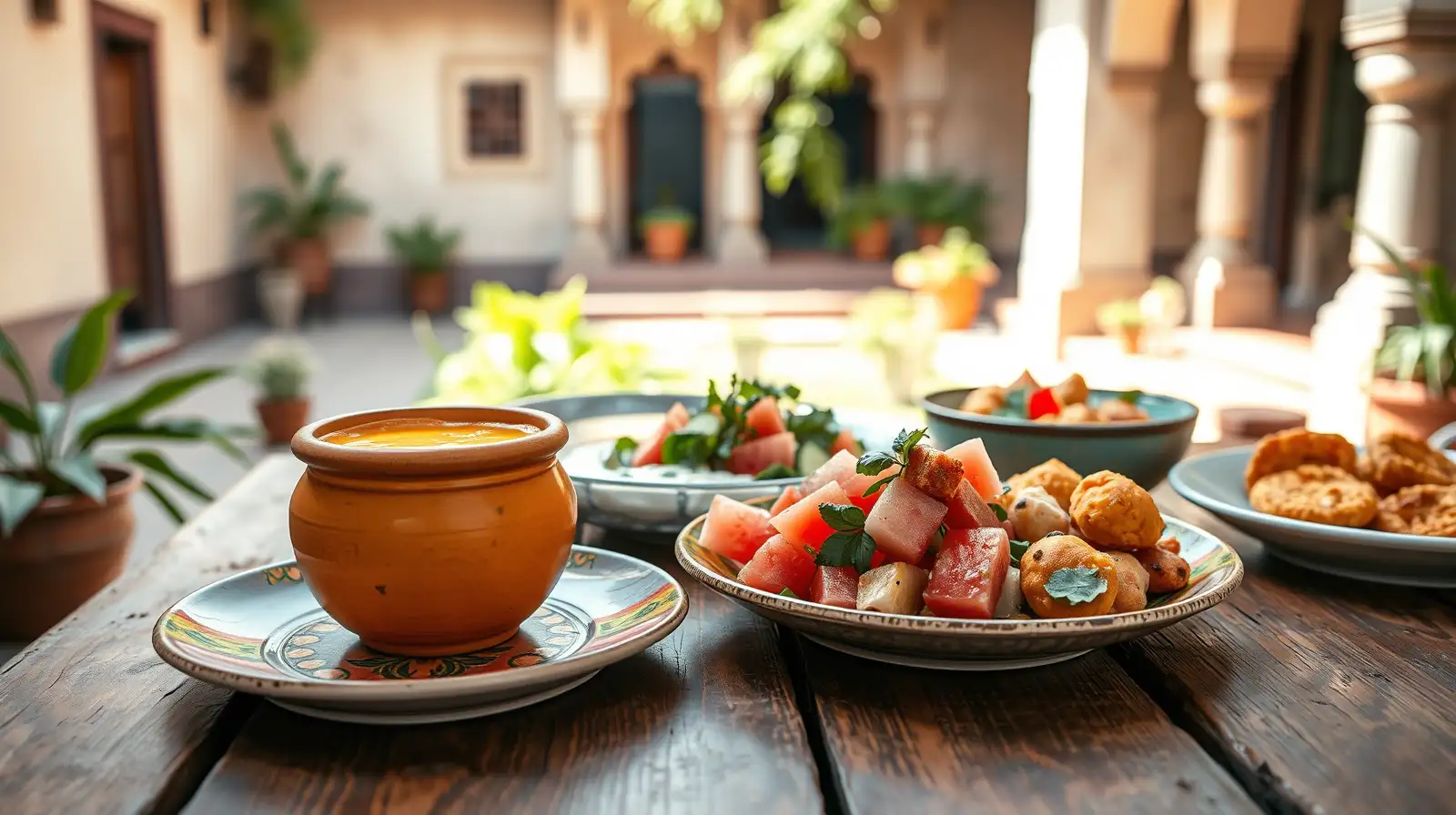
In parts of southern India, rural communities celebrate harvest-related rituals linked to water conservation and agricultural balance. These events are often deeply connected with nature, highlighting the importance of monsoon preparation.
In the northeast, summer festivals often include traditional dance, music and storytelling that preserve tribal heritage. These gatherings are not just cultural events but also social bonds that strengthen community identity.
In some parts of Rajasthan, fermented millet drinks are consumed to cool the body and support digestion. In coastal regions, lightly spiced seafood dishes are prepared in ways that reduce heat intensity while maintaining flavour.
One interesting example is the use of raw jackfruit in seasonal cooking, which is both filling and suitable for hot weather due to its dense nutritional profile.
These lesser-known foods reflect how deeply food habits are shaped by climate.
Regions like the deserts of western India reveal a completely different kind of summer beauty, where early mornings and evenings transform the landscape into a golden, silent world.
Forest regions in central India also provide cooler microclimates, where wildlife activity increases during specific summer hours, offering rare opportunities for nature observation.
These places show that summer travel is not just about escaping heat but about experiencing diversity.
Clay water pots, shaded verandas and natural ventilation systems are still part of daily life in many rural areas. Some households also use neem leaves and herbal arrangements to keep indoor environments fresh and naturally cooled.
These practices highlight a deep understanding of local climate conditions developed over generations.
They also encourage sustainable tourism by shifting attention away from overcrowded destinations and towards culturally rich but less-visited regions.
The Surprising Summer Festivals of India
While major festivals often dominate headlines, several lesser-known celebrations take place during the summer months, reflecting local traditions and seasonal cycles.In parts of southern India, rural communities celebrate harvest-related rituals linked to water conservation and agricultural balance. These events are often deeply connected with nature, highlighting the importance of monsoon preparation.
In the northeast, summer festivals often include traditional dance, music and storytelling that preserve tribal heritage. These gatherings are not just cultural events but also social bonds that strengthen community identity.
Unusual Summer Foods You Rarely Hear About
Beyond popular summer foods like mangoes and watermelon, India has a variety of regional dishes that are specifically designed for hot climates.In some parts of Rajasthan, fermented millet drinks are consumed to cool the body and support digestion. In coastal regions, lightly spiced seafood dishes are prepared in ways that reduce heat intensity while maintaining flavour.
One interesting example is the use of raw jackfruit in seasonal cooking, which is both filling and suitable for hot weather due to its dense nutritional profile.
These lesser-known foods reflect how deeply food habits are shaped by climate.
Offbeat Places That Come Alive in Summer
While most travellers head to well-known hill stations, some destinations offer unique summer experiences that remain largely unexplored.You may also like
- Psychology says people who are kind to everyone but close to almost no one aren't bad at friendship: They often learned to be useful before they learned to be known
- Psychology says people who read others unusually well aren't simply intuitive: They've developed mental habits that help them notice social cues others overlook
- 'You study, we'll do...': This man pulled a handcart from 4 AM every day; his daughter will now wear the Bihar Police uniform
- Psychology says people who stay quiet during group conversations aren't disengaged: They may be processing what they're hearing before deciding what to say
- 14-Day Cancer Treatment: A new cancer drug has been launched in India, curing the disease within 14 days! Find out how much it costs.
Regions like the deserts of western India reveal a completely different kind of summer beauty, where early mornings and evenings transform the landscape into a golden, silent world.
Forest regions in central India also provide cooler microclimates, where wildlife activity increases during specific summer hours, offering rare opportunities for nature observation.
These places show that summer travel is not just about escaping heat but about experiencing diversity.
Traditional Cooling Practices Still in Use
Across India, many communities continue to use age-old cooling techniques that are both practical and environmentally friendly.Clay water pots, shaded verandas and natural ventilation systems are still part of daily life in many rural areas. Some households also use neem leaves and herbal arrangements to keep indoor environments fresh and naturally cooled.
These practices highlight a deep understanding of local climate conditions developed over generations.
Why Unique Summer Experiences Matter Today
In an age of global tourism and digital travel trends, unique cultural experiences are often overlooked. Yet these lesser-known traditions and practices offer a more meaningful connection to place and people.They also encourage sustainable tourism by shifting attention away from overcrowded destinations and towards culturally rich but less-visited regions.






More from our partners


Loving Newspoint? Download the app now
