
Osmania Biscuit: The Sweet-Salty Biscuit Named After Hyderabad's Last Nizam

Hyderabad has a biscuit that refuses to leave. It shows up at weddings, at roadside dhabas, at the counters of old Irani cafés, and in the cloth bags of grandmothers heading home from the bazaar. The Osmania biscuit is round, slightly sweet, faintly salty, and unmistakably itself, and it carries the name of the last Nizam of Hyderabad on every batch baked in the city.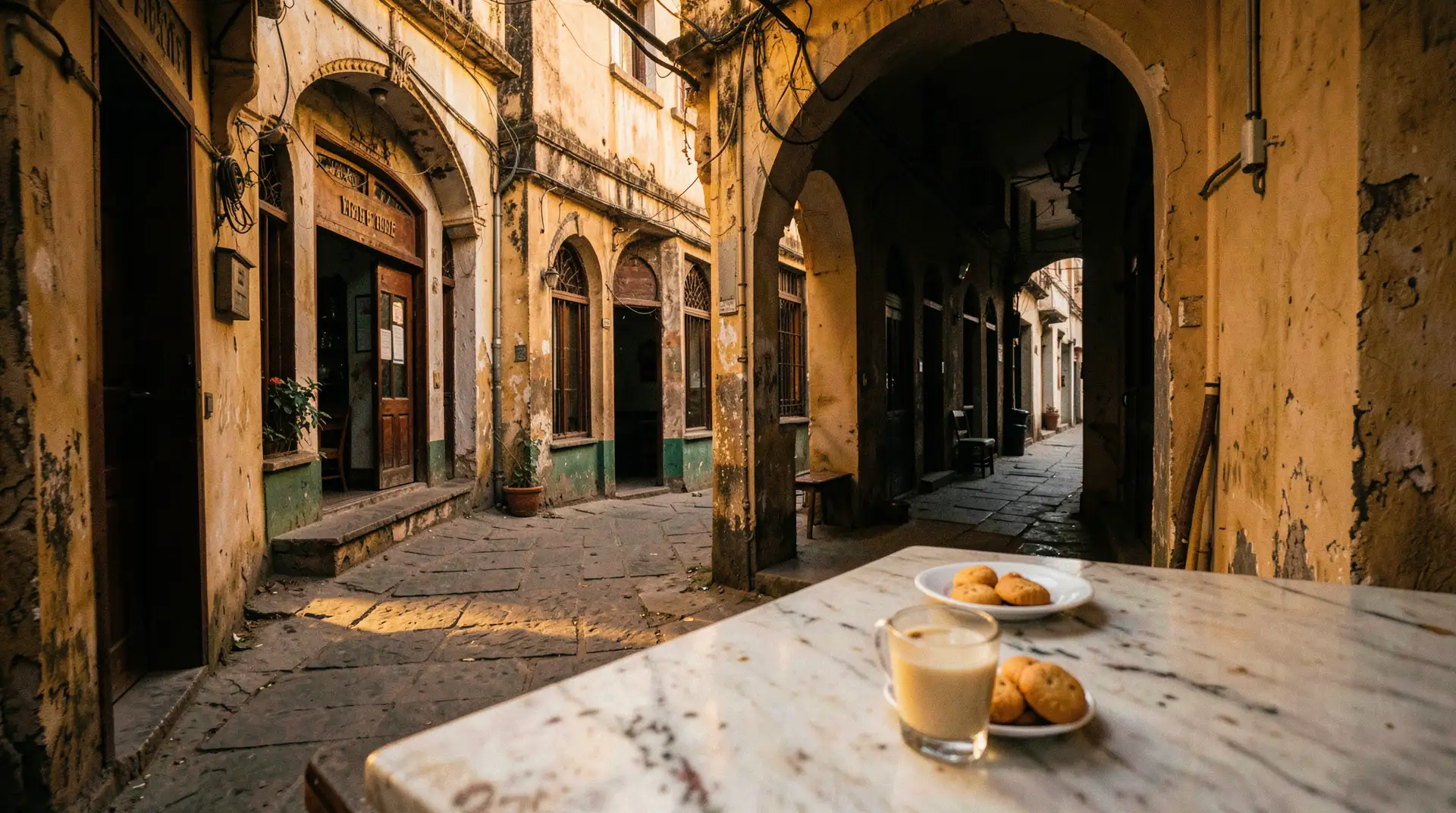
Whether the Nizam himself issued the commission or whether bakers in his city named the biscuit in his honour after the fact is a point where accounts differ. What is not disputed is the timing: the biscuit's association with the Nizam's era is consistent across the old bakeries of the city, and the name stuck long after the man and the princely state both passed into history.
That dunkability is not incidental. The Irani café culture of Hyderabad, itself brought to the city by Iranian immigrants in the early twentieth century, runs on the rhythm of chai and something to dip into it. The Osmania biscuit was built for exactly that rhythm. It absorbs a second of chai and releases it slowly, which is a small engineering achievement in baked goods.
Nimrah Café, just outside the Charminar, is one of the most visited of these establishments. It opens early and closes when the biscuits run out. Regulars know to arrive before the afternoon if they want the first bake of the day, when the biscuits are still warm and the butter has not yet settled into a harder consistency.
The biscuit eventually crossed the counter of the Irani café and entered home kitchens, sweet shops, and eventually packaged retail. Hyderabadis living in other cities carry tins of Osmania biscuits back from visits the way others carry biryani masala or Karachi bakery's fruit biscuits. It has become one of the city's edible souvenirs, the kind of thing that requires no explanation to someone who grew up there and requires a full paragraph of context to anyone who did not.
The sweet-salty balance that the Nizam's bakers, or the bakers who honoured him, arrived at more than a century ago turns out to be exactly right for a cup of strong Hyderabadi chai. Some things get the formula correct the first time, and the city never sees a reason to look for another answer.
A Royal Name on a Common Biscuit
The biscuit is named after Mir Osman Ali Khan, the seventh and last Nizam of Hyderabad, who ruled from 1911 until the state's accession to India in 1948. Osman Ali Khan was, by most historical accounts, a man of particular tastes. He presided over a court that took its food seriously, and the story goes that the Nizam wanted a biscuit suited to the Hyderabadi palate, something that could hold its own against the strong, milky chai of the city's Irani cafés without dissolving, and something that balanced the sweetness of a biscuit with a savouriness that the local tongue preferred.Whether the Nizam himself issued the commission or whether bakers in his city named the biscuit in his honour after the fact is a point where accounts differ. What is not disputed is the timing: the biscuit's association with the Nizam's era is consistent across the old bakeries of the city, and the name stuck long after the man and the princely state both passed into history.
What Makes It Distinct
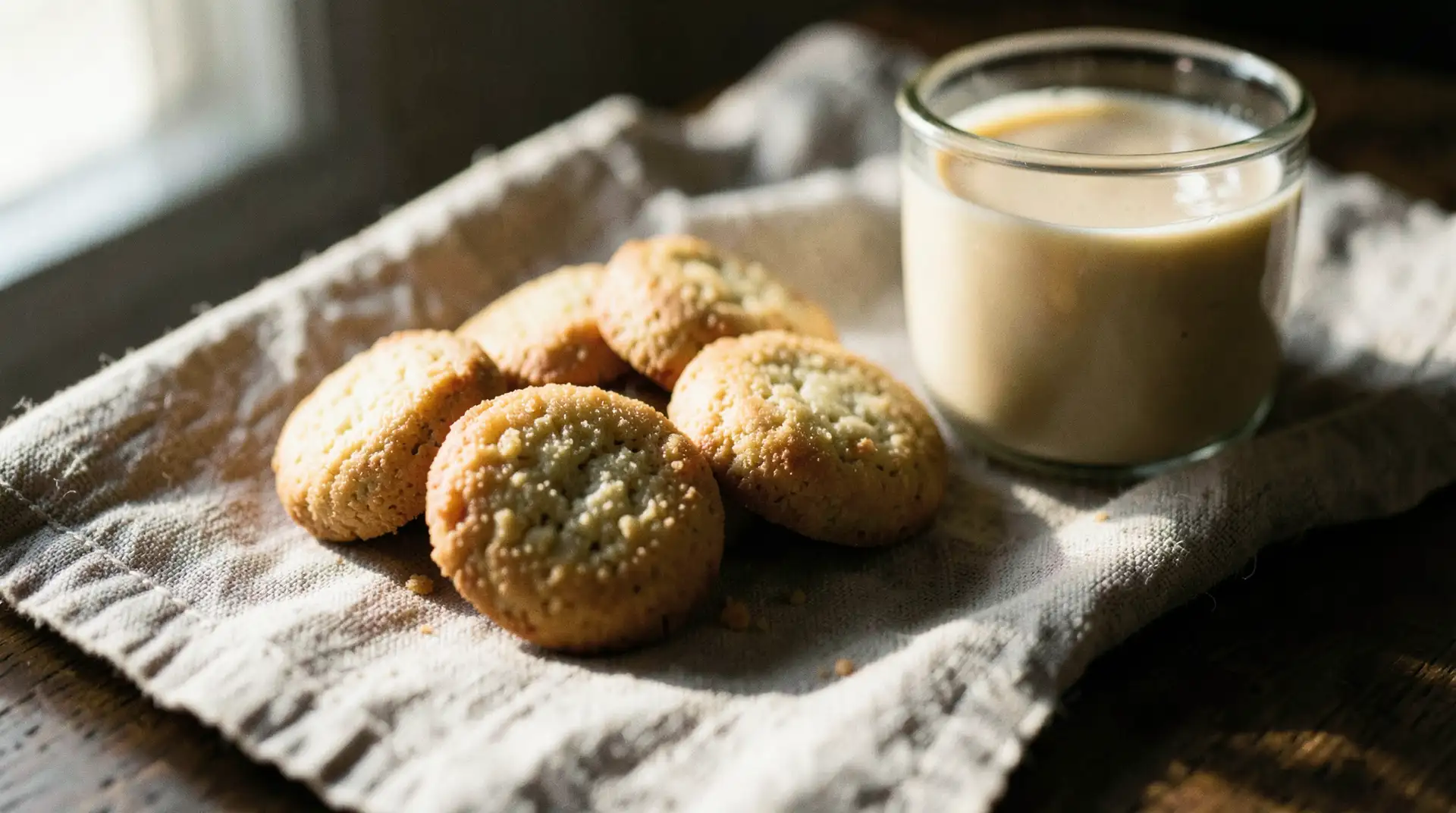
The Osmania biscuit sits in a category of its own. It is not a butter biscuit in the European sense, and it is not a cracker. The dough uses maida, butter, milk, sugar, and a small amount of salt, the proportions are what give it the character. The sugar is enough to brown the edges in the oven and leave a mild sweetness, but the salt cuts through and keeps the biscuit from tasting like a dessert. The texture is the other thing: slightly crisp at the rim, softer at the centre, with enough structural integrity to be dunked into chai without immediately falling apart.That dunkability is not incidental. The Irani café culture of Hyderabad, itself brought to the city by Iranian immigrants in the early twentieth century, runs on the rhythm of chai and something to dip into it. The Osmania biscuit was built for exactly that rhythm. It absorbs a second of chai and releases it slowly, which is a small engineering achievement in baked goods.
The Irani Café and the Biscuit's Natural Habitat
The old Irani cafés of Hyderabad are the biscuit's true home. Cafés like Nimrah near Charminar and the cluster of establishments in the Abids and Mozamjahi Market areas have kept the Osmania biscuit on their counters for generations. These are not places that change their menus on a trend. The furniture is old, the fans are slow, and the chai comes in a glass. The Osmania biscuit arrives on a small plate, unannounced, as part of the order.Nimrah Café, just outside the Charminar, is one of the most visited of these establishments. It opens early and closes when the biscuits run out. Regulars know to arrive before the afternoon if they want the first bake of the day, when the biscuits are still warm and the butter has not yet settled into a harder consistency.
From Royal Commission to City Identity
What happened to the Osmania biscuit after 1948 is a study in how a city absorbs its own history. The Nizam's state dissolved, the court dispersed, and Hyderabad became part of independent India. The biscuit stayed. Bakeries across the old city, particularly in the areas of Moazzam Jahi Market and the lanes around Charminar, continued making it, and the name continued to carry the weight of the era without anyone needing to explain it.The biscuit eventually crossed the counter of the Irani café and entered home kitchens, sweet shops, and eventually packaged retail. Hyderabadis living in other cities carry tins of Osmania biscuits back from visits the way others carry biryani masala or Karachi bakery's fruit biscuits. It has become one of the city's edible souvenirs, the kind of thing that requires no explanation to someone who grew up there and requires a full paragraph of context to anyone who did not.
A Biscuit That Holds a City's Memory
The Osmania biscuit is not the most complex thing Hyderabad makes. It is not even the most famous, biryani and haleem carry that weight internationally. But it is perhaps the most quietly persistent. It survived the end of the princely state, the transformation of the city, and the arrival of every multinational biscuit brand that has entered the Indian market since. It did this without a rebrand, without a heritage campaign, and without changing its recipe.The sweet-salty balance that the Nizam's bakers, or the bakers who honoured him, arrived at more than a century ago turns out to be exactly right for a cup of strong Hyderabadi chai. Some things get the formula correct the first time, and the city never sees a reason to look for another answer.
Next Story