
The Amazing Science Behind Flowers That Grow on Bare Stone

A field of flowers usually brings to mind rich soil, regular rainfall and ideal growing conditions. Yet some of the world's most remarkable flowering plants bloom where almost nothing else can survive. Clinging to cliffs, mountain slopes and cracks in solid rock, these hardy species grow from what appears to be bare stone. With only tiny pockets of dust, moisture and minerals available, they have evolved extraordinary adaptations that allow them to flourish in places that seem completely lifeless. Their resilience has fascinated botanists for centuries and serves as a powerful reminder that life often finds a way, even in the harshest environments.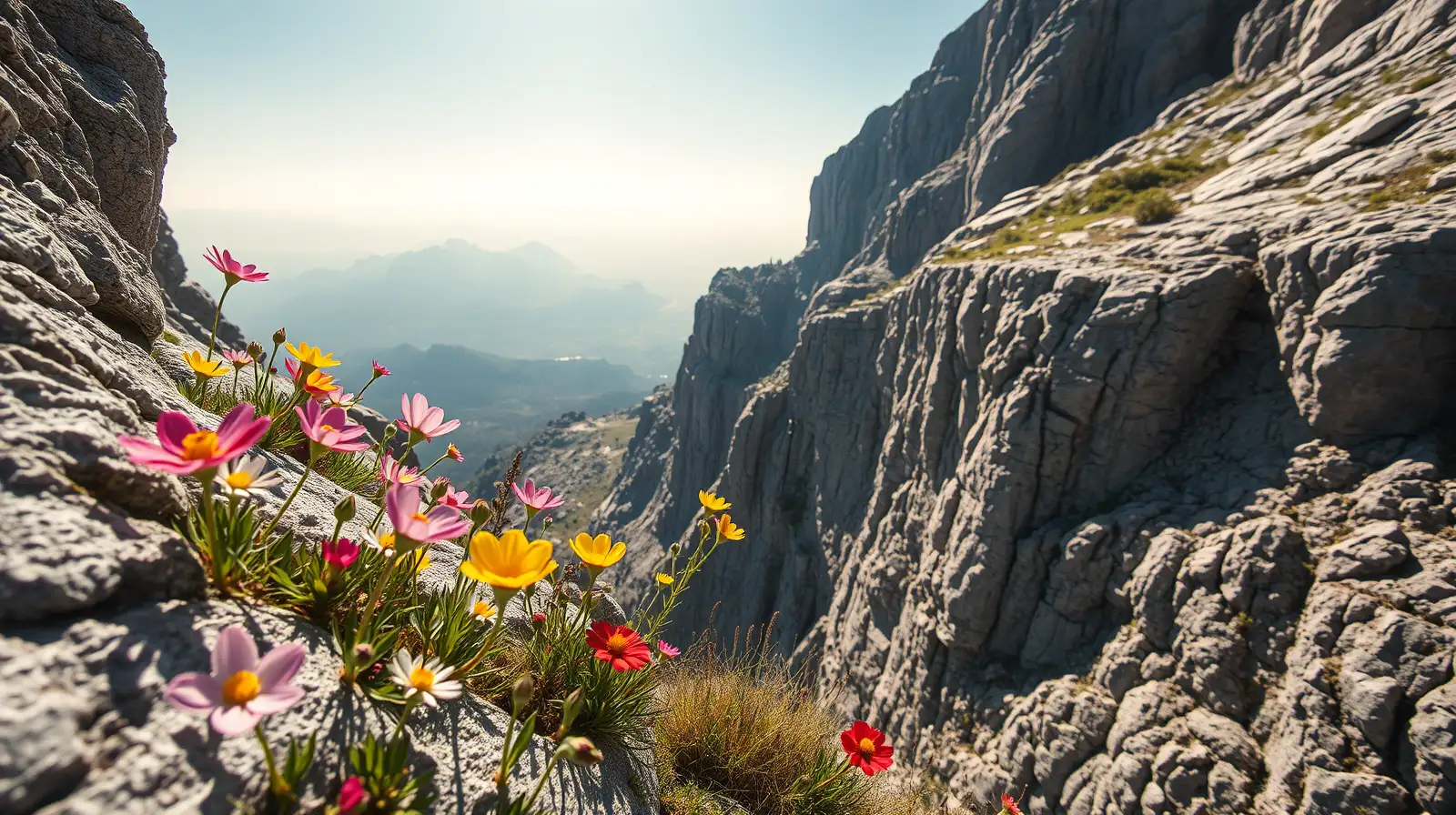
Rock-dwelling flowers, known as lithophytes , have evolved to survive with very little soil. Instead of spreading wide root systems, many develop fine, powerful roots that penetrate tiny cracks in stone, where small amounts of moisture and minerals collect over time.
These narrow crevices provide just enough resources to support life.
Purple saxifrage is especially remarkable. It grows in some of the coldest regions of the Arctic and high mountain ranges, often becoming one of the first plants to flower after snow begins to melt.
Its dense cushion-like growth helps trap warmth while protecting the plant from drying winds.
Some produce thick, waxy leaves that conserve moisture, while others develop deep taproots capable of reaching hidden pockets of water far beneath the rock surface.
A few species even form partnerships with fungi, allowing them to absorb nutrients more efficiently from extremely poor environments.
Together, these adaptations make survival possible where conditions seem almost impossible.
For this reason, they are often considered pioneer species. They prepare barren landscapes for the gradual development of entire ecosystems over many decades or even centuries.
Their flowers also provide valuable nectar for bees, butterflies and other pollinators living in mountain habitats.
Some of these species may hold valuable genetic traits that could help develop crops capable of growing under increasingly difficult conditions.
Many rock-dwelling flowers are also threatened by habitat destruction, over-collection and changing weather patterns, making conservation efforts increasingly important.
Protecting these resilient plants helps preserve unique mountain ecosystems and the wildlife that depends on them.
Flowers That Grow From Bare Stone
Thriving Where Soil Hardly Exists
Growing on bare rock is one of the greatest challenges a plant can face. Ordinary plants depend on deep soil to anchor their roots, absorb water and obtain nutrients.Rock-dwelling flowers, known as lithophytes , have evolved to survive with very little soil. Instead of spreading wide root systems, many develop fine, powerful roots that penetrate tiny cracks in stone, where small amounts of moisture and minerals collect over time.
These narrow crevices provide just enough resources to support life.
Nature's Masters of Adaptation
Many alpine flowers are experts at growing on rocky surfaces. Species such as edelweiss , purple saxifrage and several types of campanula flourish on steep mountain cliffs where freezing temperatures, strong winds and thin soils would overwhelm most plants.Purple saxifrage is especially remarkable. It grows in some of the coldest regions of the Arctic and high mountain ranges, often becoming one of the first plants to flower after snow begins to melt.
Its dense cushion-like growth helps trap warmth while protecting the plant from drying winds.
How Flowers Survive on Solid Rock
Life on bare stone requires several specialised adaptations. Many lithophytes have compact growth forms that reduce water loss and shield delicate tissues from harsh weather.Some produce thick, waxy leaves that conserve moisture, while others develop deep taproots capable of reaching hidden pockets of water far beneath the rock surface.
You may also like
- Plastic Note: How will plastic notes differ from paper currency? Notes of ₹10 and ₹20 denominations will be introduced first..
- EV Subsidy: 50% subsidy on EV purchases announced by the government; bring home a bike at half the price.
- Make sure to check these 3 hidden clauses before signing a rent agreement, or else you might regret it later..
- Make rose water at home for glowing skin, the process is very easy
- Is Your Baby Tired? 15 Signs to Look Out For
A few species even form partnerships with fungi, allowing them to absorb nutrients more efficiently from extremely poor environments.
Together, these adaptations make survival possible where conditions seem almost impossible.
More Than Just Beautiful Flowers
Rock-growing flowers play an important ecological role. Their roots gradually break down stone through natural weathering, helping create the first thin layers of soil that later support grasses, shrubs and eventually trees.For this reason, they are often considered pioneer species. They prepare barren landscapes for the gradual development of entire ecosystems over many decades or even centuries.
Their flowers also provide valuable nectar for bees, butterflies and other pollinators living in mountain habitats.
Why This Matters Today
Studying plants that thrive on bare stone helps scientists understand how vegetation responds to extreme environments, including drought, poor soils and climate change.Some of these species may hold valuable genetic traits that could help develop crops capable of growing under increasingly difficult conditions.
Many rock-dwelling flowers are also threatened by habitat destruction, over-collection and changing weather patterns, making conservation efforts increasingly important.
Protecting these resilient plants helps preserve unique mountain ecosystems and the wildlife that depends on them.






Loving Newspoint? Download the app now
