
Why Onions Make You Cry: The Surprising Science Behind Your Tears

Whether you are preparing a quick salad or cooking a hearty family meal, cutting an onion often comes with an unwanted side effect: watery eyes. Almost everyone has experienced the sudden sting and tears that appear within moments of slicing into an onion. Over the years, countless home remedies have promised to stop the tears, from chewing bread to wearing swimming goggles. While some methods work better than others, the real explanation lies in a remarkable chemical defence system developed by onions over millions of years. Understanding why onions make you cry reveals an intriguing blend of biology, chemistry and evolution hiding inside one of the world's most common vegetables.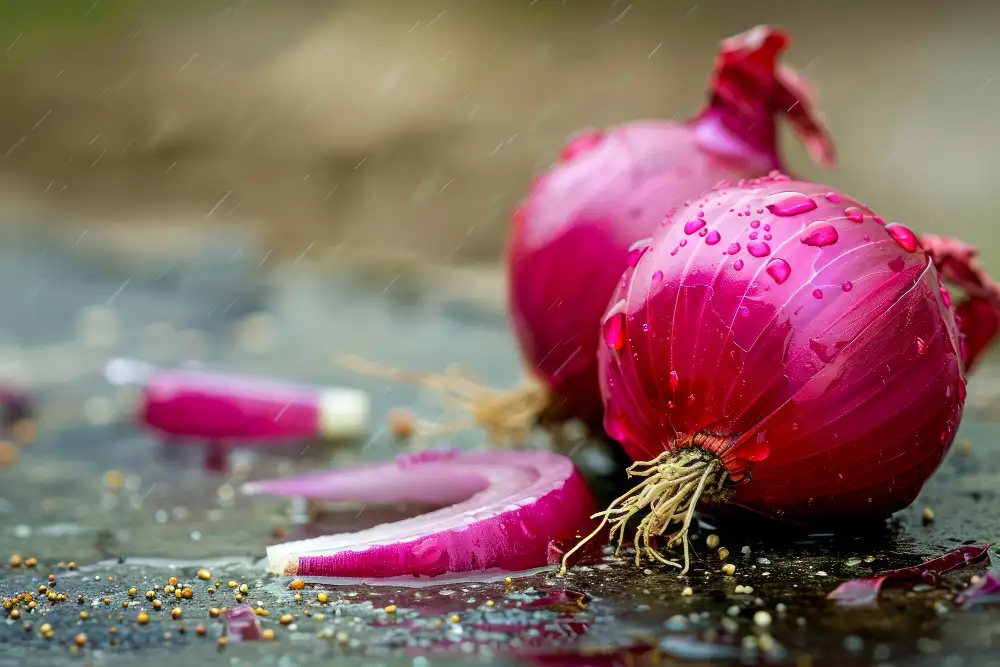
When an onion is whole, its cells safely store enzymes and sulphur-containing compounds in separate compartments. As soon as the onion is cut, crushed or chopped, these substances mix together and trigger a series of chemical reactions.
Within seconds, a volatile gas called syn-propanethial-S-oxide is released into the air. This invisible compound is responsible for the familiar burning sensation that many people experience while cutting onions.
The stronger the onion's chemical defence, the more noticeable the effect can be.
Your brain quickly interprets the irritation as something that needs to be removed. In response, the tear glands produce extra tears to wash away the chemical and protect the eyes from further discomfort.
Although the sensation can be unpleasant, it is completely harmless and usually disappears within a few minutes after moving away from the onion.
Interestingly, not everyone reacts in exactly the same way. Some people produce far more tears than others, depending on factors such as sensitivity, the type of onion and even the sharpness of the knife being used.
Using a very sharp knife can also help. A clean slice causes less damage to the onion's cells than a blunt blade, reducing the amount of gas released.
Sweet onions generally contain lower levels of sulphur compounds than stronger varieties such as brown or red onions, making them less likely to cause intense eye irritation.
Scientists have even developed specially bred "tearless" onions by reducing the production of the irritating compound while preserving the vegetable's flavour.
The same sulphur compounds that trigger tears also contribute to an onion's distinctive flavour and aroma. They are rich in antioxidants and have been linked to several potential health benefits, including supporting heart health and reducing inflammation.
The next time your eyes begin watering while preparing dinner, you will know that you are witnessing an extraordinary chemical defence system that has evolved over millions of years. It is a small reminder that even the simplest ingredients in our kitchens can hold remarkable scientific secrets.
An Onion's Natural Defence Mechanism
Unlike animals, onions cannot run away from insects or other creatures that want to eat them. Instead, they rely on chemistry for protection.When an onion is whole, its cells safely store enzymes and sulphur-containing compounds in separate compartments. As soon as the onion is cut, crushed or chopped, these substances mix together and trigger a series of chemical reactions.
Within seconds, a volatile gas called syn-propanethial-S-oxide is released into the air. This invisible compound is responsible for the familiar burning sensation that many people experience while cutting onions.
The stronger the onion's chemical defence, the more noticeable the effect can be.
Why Your Eyes Start Watering
When the gas reaches your eyes, it dissolves in the thin layer of moisture covering the surface of the eye. This creates a mild irritant that activates sensitive nerve endings.Your brain quickly interprets the irritation as something that needs to be removed. In response, the tear glands produce extra tears to wash away the chemical and protect the eyes from further discomfort.
Although the sensation can be unpleasant, it is completely harmless and usually disappears within a few minutes after moving away from the onion.
Interestingly, not everyone reacts in exactly the same way. Some people produce far more tears than others, depending on factors such as sensitivity, the type of onion and even the sharpness of the knife being used.
You may also like
- How celebrity moms are reinventing post-pregnancy fashion in 2026
- Microsoft engineer earning Rs 1.9 crore recalls the Rs 15,000 college fee his family couldn't afford: 'My father sold my mother's jewellery'
- 116-year-old grandma climbed Tirumala on foot; reminds millions that dream and devotion never grow old
- Expensive birthday party or a holiday with kids? This family chose the latter and explains why it became the best parenting formula
- Kids can 'drown' in sleep hours after their swimming lesson: Australian mom shares warning every parent should know
Surprising Facts About Onion Tears
One lesser-known fact is that chilled onions often produce fewer tears. Cooling slows the chemical reactions inside the onion, meaning less irritating gas escapes into the air.Using a very sharp knife can also help. A clean slice causes less damage to the onion's cells than a blunt blade, reducing the amount of gas released.
Sweet onions generally contain lower levels of sulphur compounds than stronger varieties such as brown or red onions, making them less likely to cause intense eye irritation.
Scientists have even developed specially bred "tearless" onions by reducing the production of the irritating compound while preserving the vegetable's flavour.
Why This Matters Beyond the Kitchen
Understanding why onions make you cry is more than an interesting cooking fact. It demonstrates how plants have evolved sophisticated survival strategies without the ability to move or defend themselves physically.The same sulphur compounds that trigger tears also contribute to an onion's distinctive flavour and aroma. They are rich in antioxidants and have been linked to several potential health benefits, including supporting heart health and reducing inflammation.
The next time your eyes begin watering while preparing dinner, you will know that you are witnessing an extraordinary chemical defence system that has evolved over millions of years. It is a small reminder that even the simplest ingredients in our kitchens can hold remarkable scientific secrets.






Loving Newspoint? Download the app now
