
Sharks That Glow in the Dark: The Secret World of Bioluminescent Sharks

Sharks are often portrayed as powerful predators patrolling the oceans in silence, but some of the most fascinating species possess a secret that is invisible to the human eye. Deep beneath the waves, where sunlight barely reaches, certain sharks can produce their own glowing light. This natural phenomenon, known as bioluminescence, helps them communicate, camouflage themselves and even hunt in one of the darkest environments on Earth. Although these glowing sharks were only fully understood in recent decades, they have transformed scientists' understanding of deep-sea life. Their remarkable ability demonstrates that the ocean still holds countless mysteries waiting to be discovered.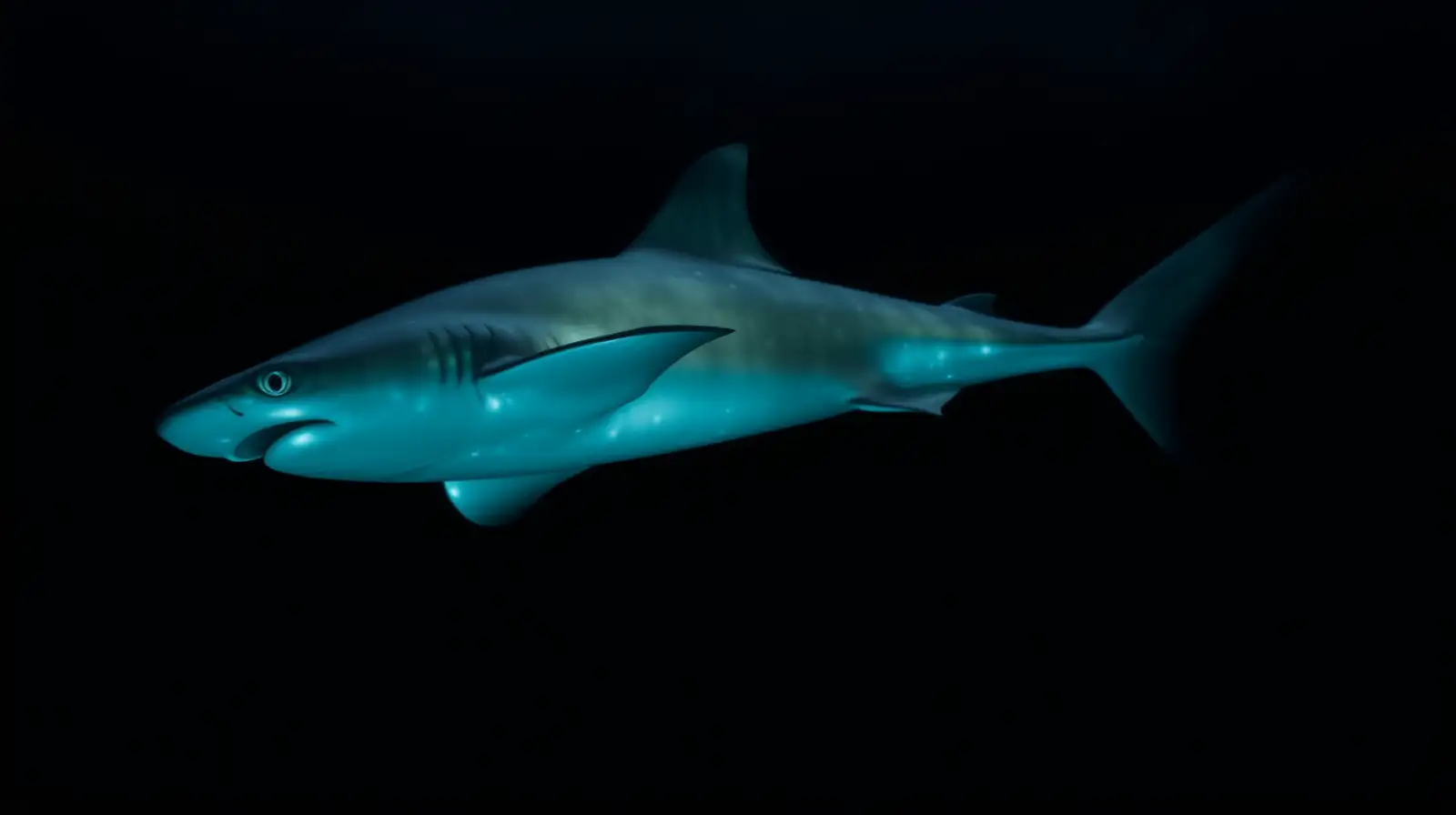
Unlike fish that glow because of bacteria living on their skin, these sharks produce light using specialised cells called photophores. These tiny light-producing organs are embedded within their skin and can create soft blue-green light that travels efficiently through seawater.
Scientists believe sharks can carefully regulate the brightness of these photophores depending on their surroundings.
Other glowing sharks include lanternsharks, blackbelly lanternsharks and southern lanternsharks. Most are relatively small and inhabit depths of several hundred metres where sunlight is extremely limited.
Because these sharks live so deep beneath the surface, many remained unknown to science until advances in underwater exploration made detailed observations possible.
Predators or prey looking upwards see the shark's glowing underside instead of a dark silhouette, making it much harder to detect.
Some researchers also believe glowing patterns may help sharks recognise members of their own species during mating or territorial interactions. In certain species, the light may even play a role in attracting prey.
The exact function varies between different sharks and continues to be an active area of research.
Their glowing skin has also attracted interest from biomedical researchers studying natural light-producing compounds for potential medical imaging and biotechnology applications.
Every new expedition into the deep ocean reveals species with increasingly sophisticated adaptations for surviving in darkness.
At the same time, growing threats such as deep-sea fishing, mining and climate change highlight the importance of protecting habitats that many of these little-known sharks depend upon.
Their story reminds us how much of Earth's biodiversity remains hidden beneath the ocean's surface.
Sharks That Glow in the Dark
The Science Behind Their Glow
Bioluminescence is the production of light through chemical reactions inside a living organism. While many people associate glowing creatures with jellyfish or fireflies, several shark species have evolved this remarkable ability as well.Unlike fish that glow because of bacteria living on their skin, these sharks produce light using specialised cells called photophores. These tiny light-producing organs are embedded within their skin and can create soft blue-green light that travels efficiently through seawater.
Scientists believe sharks can carefully regulate the brightness of these photophores depending on their surroundings.
Which Sharks Can Glow?
One of the best-known glowing species is the kitefin shark (Dalatias licha), a deep-sea predator found in oceans around the world. In 2021, researchers confirmed that it is the largest known vertebrate capable of producing its own light.Other glowing sharks include lanternsharks, blackbelly lanternsharks and southern lanternsharks. Most are relatively small and inhabit depths of several hundred metres where sunlight is extremely limited.
Because these sharks live so deep beneath the surface, many remained unknown to science until advances in underwater exploration made detailed observations possible.
Why Do Sharks Glow?
The primary purpose of bioluminescence appears to be camouflage. This strategy, known as counterillumination , helps sharks blend into the faint light filtering down from the surface.Predators or prey looking upwards see the shark's glowing underside instead of a dark silhouette, making it much harder to detect.
You may also like
- Plastic Note: How will plastic notes differ from paper currency? Notes of ₹10 and ₹20 denominations will be introduced first..
- EV Subsidy: 50% subsidy on EV purchases announced by the government; bring home a bike at half the price.
- Make sure to check these 3 hidden clauses before signing a rent agreement, or else you might regret it later..
- Make rose water at home for glowing skin, the process is very easy
- Is Your Baby Tired? 15 Signs to Look Out For
Some researchers also believe glowing patterns may help sharks recognise members of their own species during mating or territorial interactions. In certain species, the light may even play a role in attracting prey.
The exact function varies between different sharks and continues to be an active area of research.
What Scientists Are Discovering
The discovery of glowing sharks has reshaped scientific understanding of deep-sea ecosystems. Researchers are investigating how these animals control their light production, including the role of hormones in switching their photophores on and off.Their glowing skin has also attracted interest from biomedical researchers studying natural light-producing compounds for potential medical imaging and biotechnology applications.
Every new expedition into the deep ocean reveals species with increasingly sophisticated adaptations for surviving in darkness.
Why This Matters Today
The deep sea remains one of the least explored parts of our planet, with thousands of species still awaiting discovery. Understanding bioluminescent sharks helps scientists build a clearer picture of these fragile ecosystems and the unique adaptations that have evolved there.At the same time, growing threats such as deep-sea fishing, mining and climate change highlight the importance of protecting habitats that many of these little-known sharks depend upon.
Their story reminds us how much of Earth's biodiversity remains hidden beneath the ocean's surface.






Loving Newspoint? Download the app now
