
Hidden Islands Around the World You Need to Discover

When people think of island holidays , famous destinations such as Bali, the Maldives or Hawaii often come to mind. However, beyond these well-known locations lies another world of hidden islands that remain largely untouched by mass tourism. These secluded places offer pristine beaches, dramatic landscapes, rich wildlife and fascinating local cultures without the crowds found at more popular destinations. Some are tucked away in remote oceans, while others are surprisingly close to bustling cities yet remain overlooked. Exploring these hidden islands is not just about finding beautiful scenery. It is also about discovering places where nature, history and traditional ways of life continue to thrive in remarkable harmony.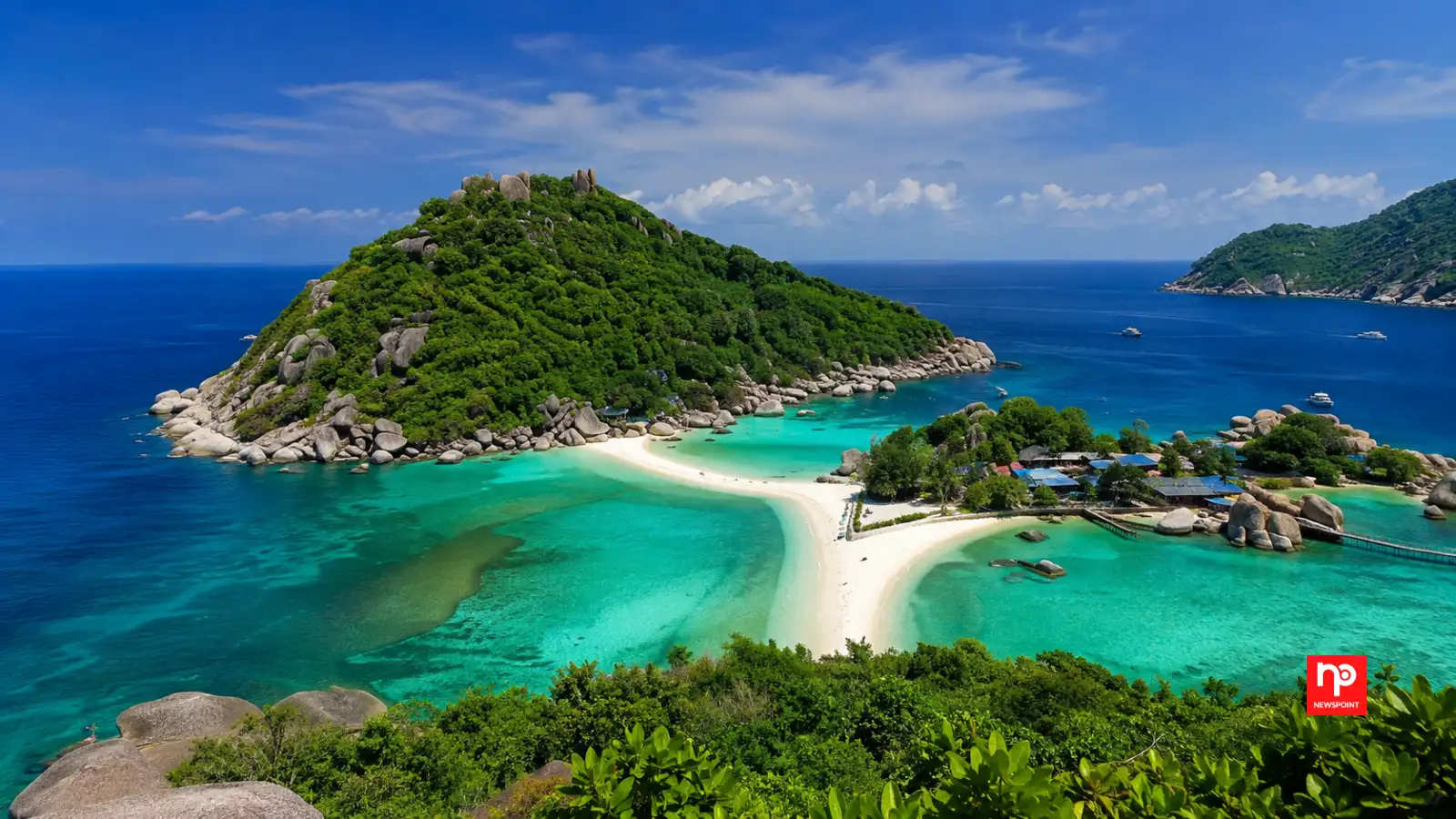
Aogashima, a volcanic island south of Tokyo, Japan, is one of the country's most isolated inhabited islands. Surrounded by steep cliffs and formed within the crater of an ancient volcano, it offers dramatic landscapes and spectacular night skies with very little light pollution.
In the Atlantic Ocean, Flores Island in Portugal's Azores archipelago is known for its waterfalls, crater lakes and colourful hydrangeas. Its rugged scenery has earned recognition as part of a UNESCO Biosphere Reserve.
Meanwhile, Lord Howe Island in Australia limits visitor numbers each year to help protect its unique ecosystem. Crystal-clear lagoons, coral reefs and lush mountains make it one of the world's most carefully preserved island destinations.
Kastellorizo, the easternmost inhabited Greek island, has colourful waterfront houses and a history shaped by ancient civilisations, maritime trade and Mediterranean culture. Despite its beauty, it receives far fewer visitors than many Greek islands.
Off the coast of South Korea, Ulleungdo is famous for dramatic volcanic cliffs, dense forests and traditional seafood cuisine. The island has long maintained a distinct cultural identity due to its relative isolation.
In Norway, the Lofoten Islands, although becoming better known, still offer authentic fishing villages where centuries-old traditions continue alongside breathtaking Arctic landscapes.
These destinations allow travellers to experience local customs that have remained largely unchanged over generations.
The Galápagos Islands in Ecuador, while internationally recognised, still contain many remote areas where giant tortoises, marine iguanas and rare birds live in protected habitats. Charles Darwin's observations here contributed significantly to the development of his theory of evolution.
On Kangaroo Island in Australia, visitors may encounter sea lions, koalas, kangaroos and remarkable rock formations created over millions of years.
Remote islands often become ideal breeding grounds for seabirds, turtles and marine mammals because of their relatively undisturbed environments.
Volcanic activity continues to create entirely new islands. In some parts of the world, underwater eruptions have produced land that did not exist just decades ago.
Another fascinating fact is that many isolated islands have developed unique plant and animal species found nowhere else on Earth because of their long separation from mainland ecosystems.
Scientists frequently study these islands to better understand evolution, biodiversity and climate change.
These islands also play a vital role in conserving biodiversity and protecting fragile ecosystems that are increasingly threatened by climate change, pollution and rising sea levels.
For travellers, choosing lesser-known destinations can reduce pressure on overcrowded tourist hotspots while providing more meaningful cultural experiences and closer connections with nature.
Hidden Islands That Offer Unspoilt Beauty
Many lesser-known islands have preserved their natural charm because of their remote locations or careful conservation efforts.Aogashima, a volcanic island south of Tokyo, Japan, is one of the country's most isolated inhabited islands. Surrounded by steep cliffs and formed within the crater of an ancient volcano, it offers dramatic landscapes and spectacular night skies with very little light pollution.
In the Atlantic Ocean, Flores Island in Portugal's Azores archipelago is known for its waterfalls, crater lakes and colourful hydrangeas. Its rugged scenery has earned recognition as part of a UNESCO Biosphere Reserve.
Meanwhile, Lord Howe Island in Australia limits visitor numbers each year to help protect its unique ecosystem. Crystal-clear lagoons, coral reefs and lush mountains make it one of the world's most carefully preserved island destinations.
Islands Rich in History and Culture
Hidden islands often have fascinating stories that are just as impressive as their scenery.Kastellorizo, the easternmost inhabited Greek island, has colourful waterfront houses and a history shaped by ancient civilisations, maritime trade and Mediterranean culture. Despite its beauty, it receives far fewer visitors than many Greek islands.
Off the coast of South Korea, Ulleungdo is famous for dramatic volcanic cliffs, dense forests and traditional seafood cuisine. The island has long maintained a distinct cultural identity due to its relative isolation.
In Norway, the Lofoten Islands, although becoming better known, still offer authentic fishing villages where centuries-old traditions continue alongside breathtaking Arctic landscapes.
These destinations allow travellers to experience local customs that have remained largely unchanged over generations.
Wildlife Thrives on Remote Islands
Many hidden islands are important refuges for wildlife because they have experienced less human development.The Galápagos Islands in Ecuador, while internationally recognised, still contain many remote areas where giant tortoises, marine iguanas and rare birds live in protected habitats. Charles Darwin's observations here contributed significantly to the development of his theory of evolution.
On Kangaroo Island in Australia, visitors may encounter sea lions, koalas, kangaroos and remarkable rock formations created over millions of years.
Remote islands often become ideal breeding grounds for seabirds, turtles and marine mammals because of their relatively undisturbed environments.
You may also like
- How to Stop Feeling Inferior?
- AMFI: AMFI has simplified the mutual fund transfer process; find out how you will benefit..
- 7 surprisingly 'big' plants you can grow on your balcony with the right care
- Meet the strange Amazon fish that 'climb' trees during flood season in search of fruit, seeds and survival and why seeing it is one of the world's greatest wildlife experiences
- For modern parents, trust begins with the ingredient list on foods
Lesser-Known Facts About Hidden Islands
Some islands disappear and reappear with changing tides. These tidal islands can only be reached on foot or by vehicle during certain hours of the day, making careful planning essential.Volcanic activity continues to create entirely new islands. In some parts of the world, underwater eruptions have produced land that did not exist just decades ago.
Another fascinating fact is that many isolated islands have developed unique plant and animal species found nowhere else on Earth because of their long separation from mainland ecosystems.
Scientists frequently study these islands to better understand evolution, biodiversity and climate change.
Why Hidden Islands Matter Today
As global tourism continues to grow, hidden islands demonstrate the importance of sustainable travel . Many local communities actively protect their natural resources by limiting visitor numbers, promoting eco-friendly tourism and preserving traditional lifestyles.These islands also play a vital role in conserving biodiversity and protecting fragile ecosystems that are increasingly threatened by climate change, pollution and rising sea levels.
For travellers, choosing lesser-known destinations can reduce pressure on overcrowded tourist hotspots while providing more meaningful cultural experiences and closer connections with nature.






Loving Newspoint? Download the app now
