
Why Is China's Forbidden City Called 'Forbidden'? The Story Behind the Iconic Palace

Many historic palaces around the world are admired for their beauty, but few are as mysterious as China's Forbidden City . Located in the heart of Beijing, this magnificent palace served as the home of Chinese emperors for more than five centuries. Once inaccessible to ordinary people, it earned the name " Forbidden City " because entry was strictly restricted. Today, it is one of the world's most visited cultural landmarks and a UNESCO World Heritage Site, attracting millions of tourists every year.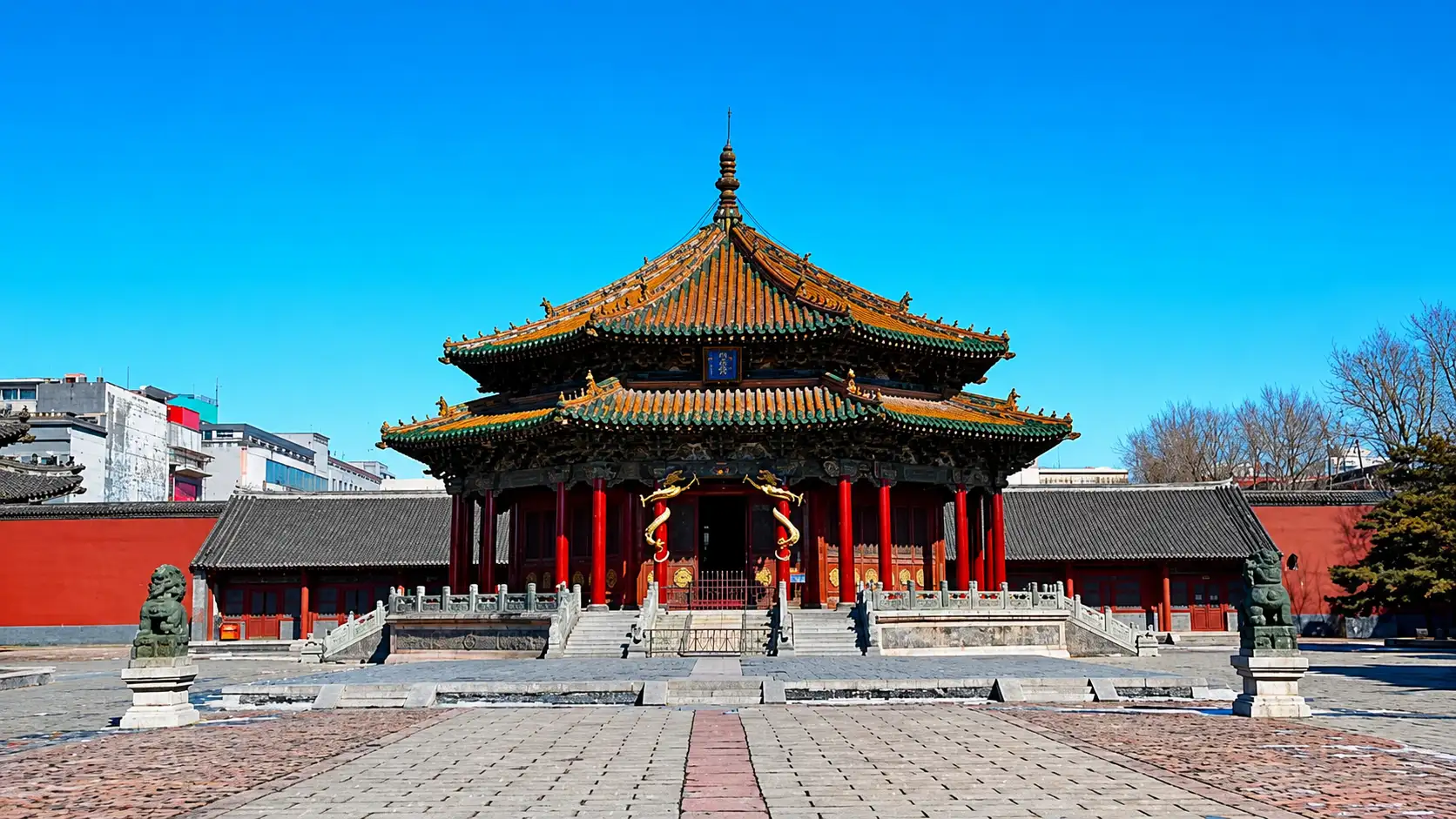
The Forbidden City, located in the heart of Beijing, China, served as the grand imperial palace of the Ming and Qing dynasties. Construction began in 1406 under the reign of the Yongle Emperor and was completed in 1420 after 14 years of work. For more than 500 years, it remained the political, administrative, and ceremonial centre of imperial China. During this time, it was home to 24 Chinese emperors and their royal households, continuing its role until the monarchy officially ended in the early 20th century.
The Forbidden City earned its name because ordinary citizens were strictly prohibited from entering its walls. Access was limited to the emperor, his family, high-ranking officials, and selected servants and guards, while unauthorized entry invited severe punishment. Called a "City" due to its vast size, it functioned as a self-contained complex with residences, gardens, temples, grand halls, and administrative buildings.
Spanning around 72 hectares (180 acres), the Forbidden City is enclosed by towering red walls and a wide protective moat. The vast complex features more than 90 palace compounds and nearly 1,000 surviving buildings. It is widely regarded as the largest and best-preserved royal palace complex in the world.
This was not a symbol of royal residence. But it was often used for ceremonies like weddings, state ceremonies, political meetings and important imperial decisions. For centuries, every major decision affecting China originated from within these palace walls.
The Forbidden City was declared a UNESCO World Heritage Site in 1987 and is now managed as the Palace Museum. It preserves thousands of priceless artefacts, including ancient paintings, ceramics, jade, imperial costumes, and rare manuscripts. Recognized as one of China's greatest cultural treasures, the site offers a remarkable glimpse into the country's rich imperial history and artistic heritage.
What is the forbidden city ?
The Forbidden City, located in the heart of Beijing, China, served as the grand imperial palace of the Ming and Qing dynasties. Construction began in 1406 under the reign of the Yongle Emperor and was completed in 1420 after 14 years of work. For more than 500 years, it remained the political, administrative, and ceremonial centre of imperial China. During this time, it was home to 24 Chinese emperors and their royal households, continuing its role until the monarchy officially ended in the early 20th century.
Why is it called a forbidden city ?
The Forbidden City earned its name because ordinary citizens were strictly prohibited from entering its walls. Access was limited to the emperor, his family, high-ranking officials, and selected servants and guards, while unauthorized entry invited severe punishment. Called a "City" due to its vast size, it functioned as a self-contained complex with residences, gardens, temples, grand halls, and administrative buildings.
You may also like
- Scientists are racing to save a coral before it's gone: Why is elkhorn coral so special?
- Japan's incredible 'hibakujumoku': These trees survived the Hiroshima atomic bomb in 1945, and they're still alive today
- Exploring Adventure Tourism in India: A Journey Beyond Landmarks
- Essential Dental Care Tips for Seasonal Sensitivity
- Essential Monsoon Safety Tips for Expecting Mothers
Massive scale and Architecture
Spanning around 72 hectares (180 acres), the Forbidden City is enclosed by towering red walls and a wide protective moat. The vast complex features more than 90 palace compounds and nearly 1,000 surviving buildings. It is widely regarded as the largest and best-preserved royal palace complex in the world.
Traditional Chinese architecture features:
- Golden roofs
- Red walls
- Marble courtyards
- Decorative carvings
- Symmetrical layout
Symbol of imperial power
This was not a symbol of royal residence. But it was often used for ceremonies like weddings, state ceremonies, political meetings and important imperial decisions. For centuries, every major decision affecting China originated from within these palace walls.
UNESCO World Heritage Site
The Forbidden City was declared a UNESCO World Heritage Site in 1987 and is now managed as the Palace Museum. It preserves thousands of priceless artefacts, including ancient paintings, ceramics, jade, imperial costumes, and rare manuscripts. Recognized as one of China's greatest cultural treasures, the site offers a remarkable glimpse into the country's rich imperial history and artistic heritage.
Popular Attractions Inside
A few famous highlights
- Palace of Heavenly Purity
- Palace of Earthly Tranquility
- Imperial Garden
- Meridian Gate
- Hall of Supreme Harmony






Loving Newspoint? Download the app now
