
The Psychology Behind Viral Trends: Why We Can't Stop Following Them

The viral trends dominate social media and influence fashion, music, language, and even opinions. From dancing challenges and memes to viral products and internet slangs, trends spread at a really fast speed. Understanding why trends go viral helps people interact online and make decisions.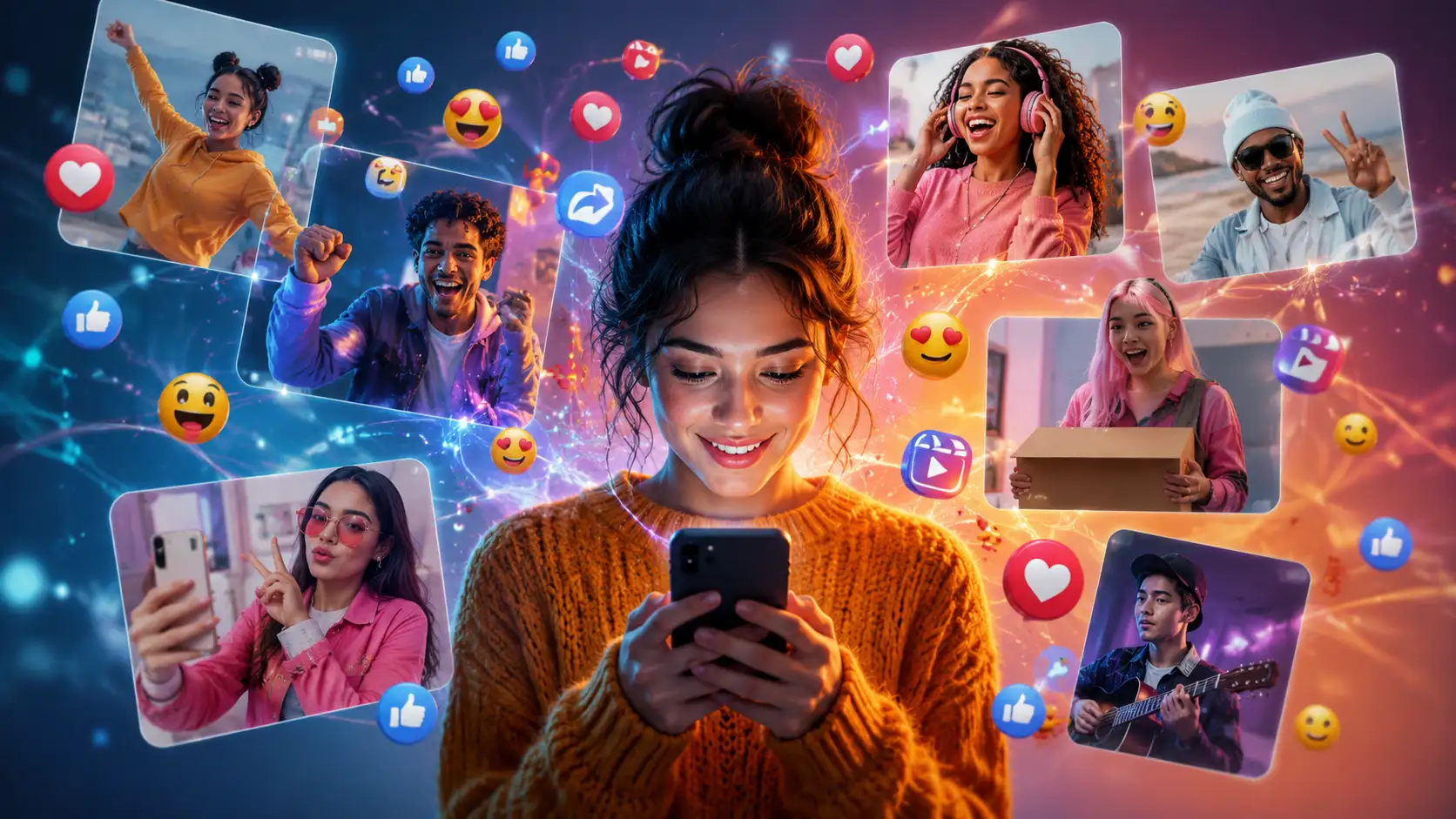
Content that triggers strong emotions spreads faster. Common emotions include happiness, surprise, inspiration, curiosity, humor, anger, excitement etc.
People share emotional content because it helps express their own feelings and identity. Funny memes, heartwarming videos and emotional stories frequently become viral.
Viral trends are not purely accidental. But they appeal to fundamental human emotions, social behaviour and curiosity. The combination of FOMO, social proof, emotional engagement, community participation and recommendation algorithms fuels rapid spread. As social media continues to evolve the psychology behind the trend can help people become more mindful consumers and creators of online content.
Humans naturally want to belong
People have a basic psychology, where they need to feel accepted by the group. Participating in viral trends creates a sense of belonging and community. When millions are using the same hashtag, meme or challenge, people feel encouraged to join.The Fear of Missing Out ( FOMO )
FOMO is one of the biggest missing conversations and cultural moments. The people worry that they remain unaware of the fact, seeing repeated posts creates pressure to join before the trend fades. Brands and influencers often use urgency to increase engagement. The online challenges or trending audio clips encourage users to participate quickly.Social proof influences decisions
People often assume something is valuable because many others approve of it. Likes, shares, comments and views serve as social proof, the more the engagement a post receives, the more trustworthy or entertaining it experiences. A product review with millions of views often attracts even more buyers.
Emotion Driven Sharing
Content that triggers strong emotions spreads faster. Common emotions include happiness, surprise, inspiration, curiosity, humor, anger, excitement etc.You may also like
- If someone lost interest after you liked them back, psychology says the reason may have more to do with them than you
- World's oldest scientifically dated banyan tree is in Bihar: How travellers can visit this remarkable 700-year-old living landmark
- DA: Good news for government employees; Dearness Allowance may increase by 3% starting July..
- Why Does My Baby Cry Before Pooping? Understanding Infant Dyschezia
- 7 Powerful Kalashtami Rituals for Protection and Peace
People share emotional content because it helps express their own feelings and identity. Funny memes, heartwarming videos and emotional stories frequently become viral.
Simplicity makes trend easy to spread
Easy to understand content is what spreads fast, it becomes popular and likeable between the people. Short videos, catchy songs, relatable memes and simple challenges require less effort to consume or recreate. The easier the trend is to copy the faster it spreads across the platforms.Algorithm as the helping hand
Social media platforms promote posts receiving rapid engagement. Algorithms recommend popular content to larger audiences. More visibility leads to more interaction, creating a cycle of increasing popularity. Viral success is influenced by both human psychology and technology.Influencers accelerate trends
Influencers become the face of the trends, they introduce the trend to millions of followers. Celebrity participation increases credibility and visibility. Brands collaborate with creators to launch campaigns that have a higher chance of becoming viral.Viral trends are not purely accidental. But they appeal to fundamental human emotions, social behaviour and curiosity. The combination of FOMO, social proof, emotional engagement, community participation and recommendation algorithms fuels rapid spread. As social media continues to evolve the psychology behind the trend can help people become more mindful consumers and creators of online content.






Loving Newspoint? Download the app now
