
Meet the World's Most Adaptable Animals That Can Survive Almost Anywhere

From crowded cities and scorching deserts to icy forests and remote islands, some animals seem capable of surviving almost anywhere. While many species depend on very specific habitats, others possess an extraordinary ability to adapt to changing conditions. They adjust their diets, behaviour, breeding habits and even activity patterns to make the most of new opportunities. This flexibility has allowed them to thrive despite urban expansion, climate change and shifting ecosystems. Studying the most adaptable animals on Earth not only reveals the remarkable resilience of wildlife but also helps scientists understand how species may respond to an increasingly unpredictable world.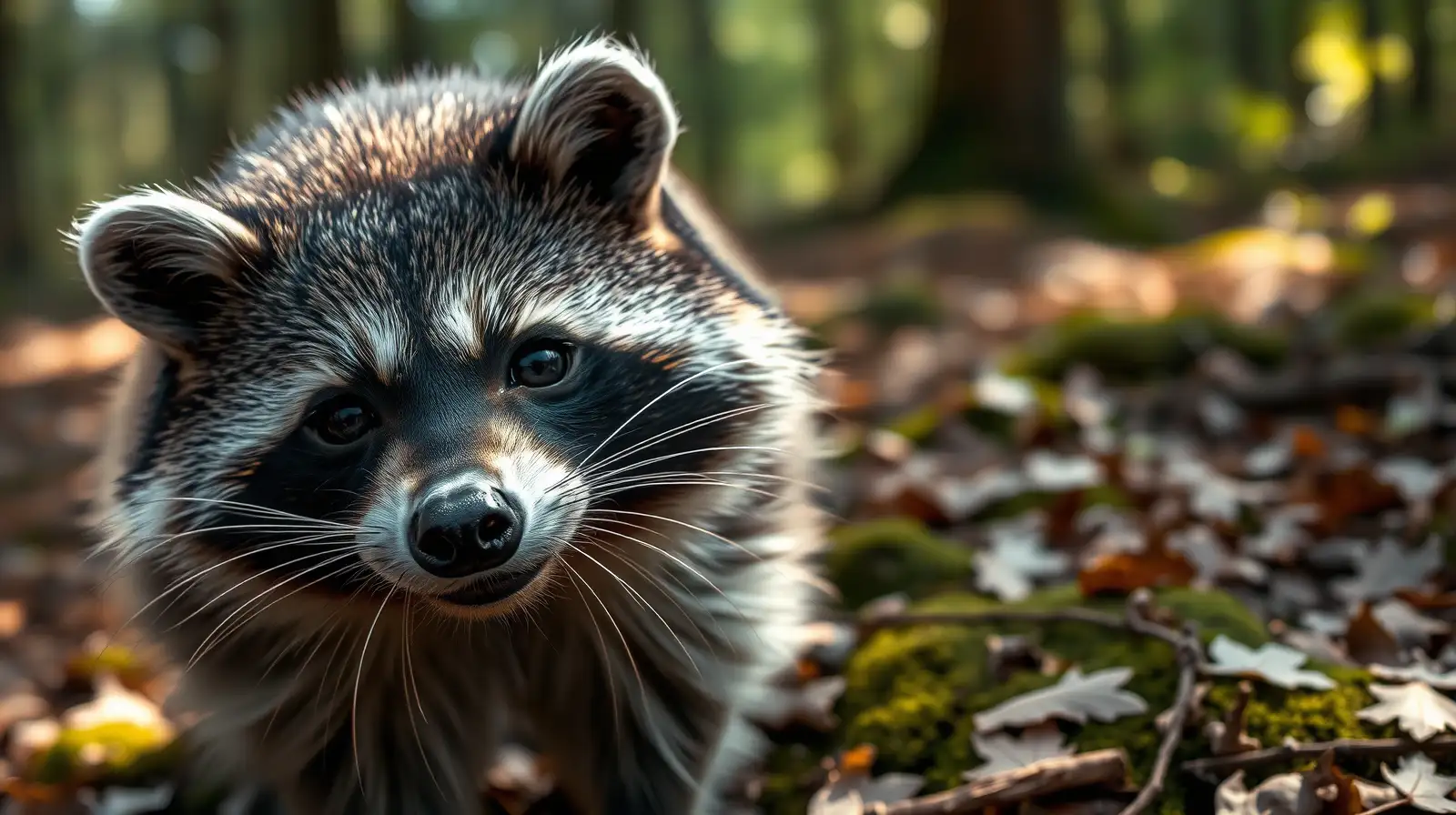
Adaptable animals can quickly change their behaviour when food becomes scarce or habitats are altered. They learn from experience, solve problems and exploit resources that less flexible species may ignore.
This ability to adjust often determines whether a species flourishes or declines as environments change.
Urban foxes have learned to find food in parks, gardens and even rubbish bins. They adjust their activity patterns to avoid busy roads and human crowds, often becoming more active at night.
Despite living close to people, they retain the hunting skills needed to catch rodents, birds and insects, giving them multiple food sources throughout the year.
Researchers have observed raccoons opening containers, unlocking simple latches and remembering solutions to problems for extended periods.
Their willingness to eat almost anything, from fruit and insects to fish and discarded human food, has helped them expand into cities, suburbs and rural landscapes alike.
Crows have been seen dropping nuts onto roads so passing vehicles crack them open before safely collecting the contents when traffic stops. Some populations also adapt to changing seasons by switching food sources depending on availability.
Their exceptional intelligence allows them to survive in environments ranging from farmland to major cities.
Rats reproduce quickly, eat an extremely varied diet and readily explore unfamiliar environments. They also learn from experience, allowing them to avoid repeated dangers.
Although often viewed negatively, their remarkable survival abilities continue to fascinate scientists studying animal behaviour and evolution.
Their success comes from their flexible diet, rapid reproduction and ability to tolerate a wide range of conditions. They can squeeze into tiny spaces, survive with minimal food and quickly adjust to changing surroundings.
Modern research continues to examine how cockroaches adapt so effectively, providing insights into resilience and biological evolution.
Even pigeons deserve recognition. Once cliff-dwelling birds, they now treat tall buildings as artificial cliffs and flourish in urban centres worldwide.
These examples show that adaptability often depends on behaviour as much as physical characteristics.
However, adaptability also creates challenges. Some highly adaptable animals become invasive species when introduced into new regions, threatening native ecosystems.
Finding the balance between conservation and wildlife management remains an important task for researchers around the world.
Adaptability Is More Than Physical Strength
When people think about survival, they often imagine speed, strength or sharp teeth. However, adaptability is often a far more valuable trait.Adaptable animals can quickly change their behaviour when food becomes scarce or habitats are altered. They learn from experience, solve problems and exploit resources that less flexible species may ignore.
This ability to adjust often determines whether a species flourishes or declines as environments change.
Foxes Thrive in Both Cities and Countryside
Foxes are among the world's most adaptable mammals. Originally associated with forests and grasslands, they are now common in towns and cities across many countries.Urban foxes have learned to find food in parks, gardens and even rubbish bins. They adjust their activity patterns to avoid busy roads and human crowds, often becoming more active at night.
Despite living close to people, they retain the hunting skills needed to catch rodents, birds and insects, giving them multiple food sources throughout the year.
Raccoons Are Natural Problem Solvers
Native to North America, raccoons have earned a reputation for intelligence and curiosity. Their highly sensitive front paws allow them to manipulate objects with surprising precision.Researchers have observed raccoons opening containers, unlocking simple latches and remembering solutions to problems for extended periods.
Their willingness to eat almost anything, from fruit and insects to fish and discarded human food, has helped them expand into cities, suburbs and rural landscapes alike.
Crows and Ravens Learn Quickly
Members of the crow family rank among the smartest birds on Earth. They recognise patterns, remember faces and even use tools to obtain food.Crows have been seen dropping nuts onto roads so passing vehicles crack them open before safely collecting the contents when traffic stops. Some populations also adapt to changing seasons by switching food sources depending on availability.
Their exceptional intelligence allows them to survive in environments ranging from farmland to major cities.
Rats Have Conquered Nearly Every Continent
Few animals demonstrate adaptability better than rats. Found on almost every continent except Antarctica, they thrive in forests, farms, underground tunnels and urban areas.Rats reproduce quickly, eat an extremely varied diet and readily explore unfamiliar environments. They also learn from experience, allowing them to avoid repeated dangers.
Although often viewed negatively, their remarkable survival abilities continue to fascinate scientists studying animal behaviour and evolution.
Cockroaches Have Mastered Survival
Cockroaches have existed for hundreds of millions of years, surviving dramatic environmental changes that eliminated countless other species.Their success comes from their flexible diet, rapid reproduction and ability to tolerate a wide range of conditions. They can squeeze into tiny spaces, survive with minimal food and quickly adjust to changing surroundings.
Modern research continues to examine how cockroaches adapt so effectively, providing insights into resilience and biological evolution.
You may also like
- Kate Middleton brings back the timeless gingham dress and it's the easiest summer trend to copy
- Rare monsoon twist: Goa and parts of the Western Ghats see lighter rain as East India gets drenched, what travellers need to know
- Quote of the day by Michelangelo: “The sculpture is already complete within the marble block before I start my work. It is already there; I just have to chisel away the superfluous material”
- 7 Home Remedies That May Fade Dark Circles Naturally
- Why Am I So Thirsty While Breastfeeding?
Lesser-Known Champions of Adaptation
Coyotes have dramatically expanded their range across North America, successfully occupying forests, deserts and large cities. Wild boars have also spread into diverse habitats thanks to their varied diet and intelligence.Even pigeons deserve recognition. Once cliff-dwelling birds, they now treat tall buildings as artificial cliffs and flourish in urban centres worldwide.
These examples show that adaptability often depends on behaviour as much as physical characteristics.
Why Adaptable Animals Matter Today
As climate change and urban development reshape natural habitats, adaptable species are becoming increasingly important for scientific study. Understanding how they adjust may help conservationists protect more vulnerable wildlife.However, adaptability also creates challenges. Some highly adaptable animals become invasive species when introduced into new regions, threatening native ecosystems.
Finding the balance between conservation and wildlife management remains an important task for researchers around the world.






Loving Newspoint? Download the app now
