
How Some Animals Hold Their Breath for Over an Hour Underwater

For most people, holding their breath for more than a minute is a challenge. Yet some animals can remain underwater for over an hour without taking another breath. Their secret is not unusually large lungs alone, but a remarkable biological adaptation hidden inside their muscles. These animals produce exceptionally high levels of a protein called myoglobin, which stores oxygen and releases it gradually when needed. This allows them to keep swimming, hunting and diving long after the oxygen in their lungs has been used. It is one of the most impressive survival strategies in the natural world and continues to inspire scientific research into human health and endurance.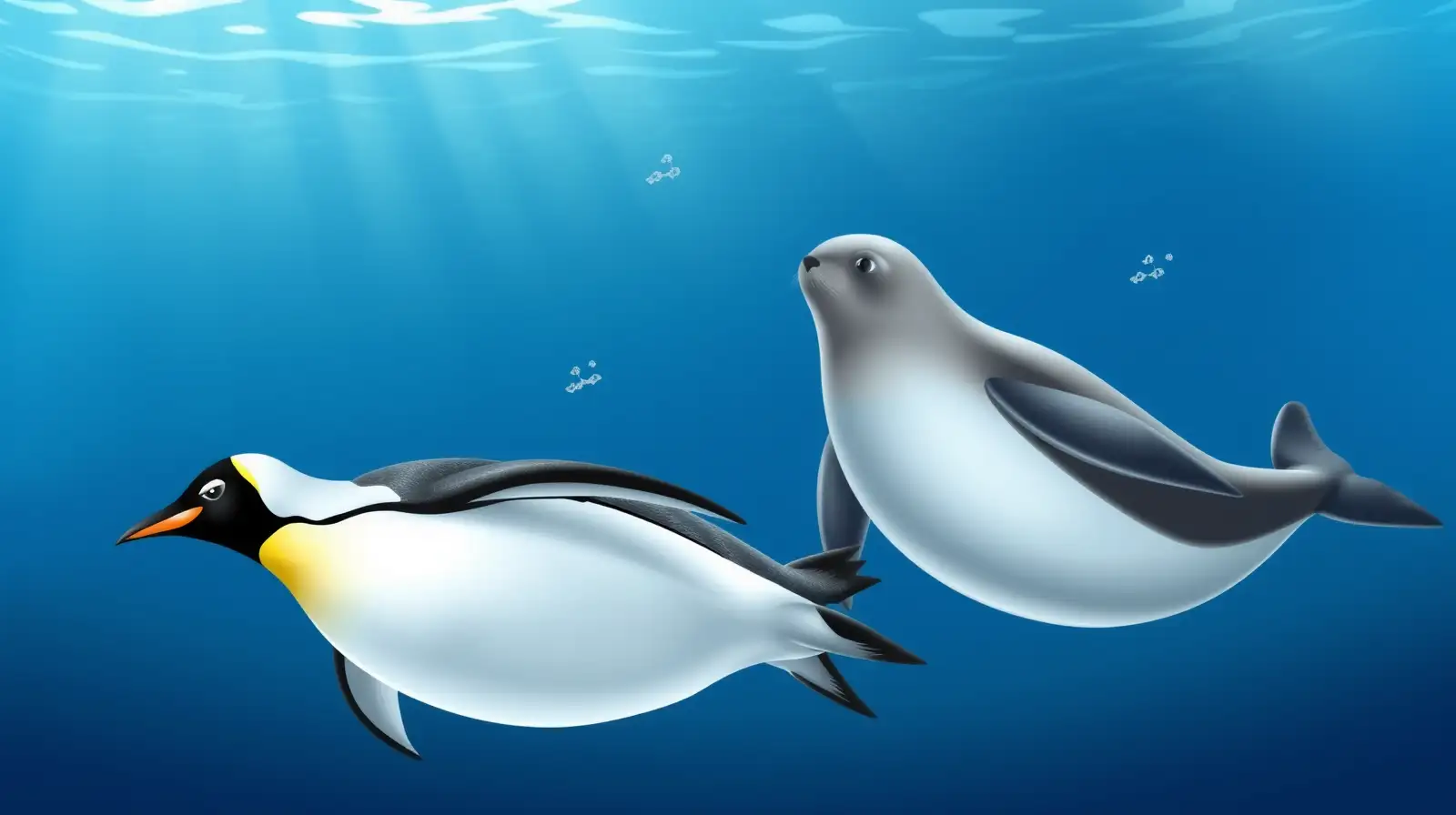
Marine mammals possess far greater concentrations of myoglobin than humans. Their muscles are often so rich in the protein that they appear much darker than those of land mammals.
This adaptation enables them to continue working efficiently even during prolonged dives beneath the ocean's surface.
Elephant seals can dive for more than 90 minutes and reach depths exceeding 1,500 metres. Weddell seals regularly remain submerged for over an hour while hunting beneath Antarctic sea ice.
Their extraordinary oxygen stores, combined with slower heart rates during dives, allow them to conserve energy while ensuring vital organs continue receiving enough oxygen.
Without these adaptations, such deep and lengthy dives would be impossible.
Dolphins, although generally making shorter dives, rely on the same oxygen-storage system to chase fast-moving prey underwater.
During dives, these animals carefully redirect blood flow towards essential organs such as the brain and heart while muscles draw on their stored oxygen supplies.
This highly efficient system maximises every breath they take.
Even some semi-aquatic mammals, including otters, benefit from enhanced oxygen storage compared with purely land-dwelling relatives.
Across different species, evolution has repeatedly favoured this remarkable adaptation wherever prolonged diving offers a survival advantage.
The study of myoglobin has also contributed to sports science, physiology and emergency medicine by revealing how different tissues respond to low-oxygen environments.
These discoveries continue to demonstrate how wildlife can inspire advances in human healthcare.
Animals That Store Oxygen in Their Muscles
The Role of Myoglobin
Unlike haemoglobin, which carries oxygen through the bloodstream, myoglobin stores oxygen directly inside muscle cells. It acts as an internal oxygen reserve, supplying muscles when fresh air is unavailable.Marine mammals possess far greater concentrations of myoglobin than humans. Their muscles are often so rich in the protein that they appear much darker than those of land mammals.
This adaptation enables them to continue working efficiently even during prolonged dives beneath the ocean's surface.
Seals Are Masters of Breath-Holding
Among the most impressive examples are elephant seals and Weddell seals. These mammals spend much of their lives underwater searching for fish and squid.Elephant seals can dive for more than 90 minutes and reach depths exceeding 1,500 metres. Weddell seals regularly remain submerged for over an hour while hunting beneath Antarctic sea ice.
Their extraordinary oxygen stores, combined with slower heart rates during dives, allow them to conserve energy while ensuring vital organs continue receiving enough oxygen.
Without these adaptations, such deep and lengthy dives would be impossible.
Whales and Dolphins Use the Same Strategy
Whales are also equipped with exceptionally high myoglobin levels. Sperm whales, famous for hunting giant squid in the deep ocean, can dive for well over an hour and descend to depths of more than 2,000 metres.You may also like
- Make rose water at home for glowing skin, the process is very easy
- EPFO credits PF interest to 34 crore accounts; have you received yours? Here's how to check...
- Gold has become cheaper by ₹2,200 and silver by over ₹4,900; find out from experts if prices will fall further..
- Special Trains: Special trains announced for Shravani Mela; find out the routes..
- “On the exam day, luck was also on my side”: NEET AIR 1 Aryan Gupta reveals the habits, family support and the luck factor behind his success
Dolphins, although generally making shorter dives, rely on the same oxygen-storage system to chase fast-moving prey underwater.
During dives, these animals carefully redirect blood flow towards essential organs such as the brain and heart while muscles draw on their stored oxygen supplies.
This highly efficient system maximises every breath they take.
More Than Just Marine Mammals
The ability to store extra oxygen is not limited to whales and seals. Diving birds such as penguins and cormorants also possess elevated myoglobin levels, allowing them to pursue fish underwater for extended periods.Even some semi-aquatic mammals, including otters, benefit from enhanced oxygen storage compared with purely land-dwelling relatives.
Across different species, evolution has repeatedly favoured this remarkable adaptation wherever prolonged diving offers a survival advantage.
Why Scientists Find This So Valuable
Researchers are fascinated by how diving mammals avoid oxygen deprivation without suffering damage to their muscles or brains. Understanding these mechanisms could help improve treatments for heart attacks, strokes and other conditions where oxygen supply is temporarily interrupted.The study of myoglobin has also contributed to sports science, physiology and emergency medicine by revealing how different tissues respond to low-oxygen environments.
These discoveries continue to demonstrate how wildlife can inspire advances in human healthcare.






Loving Newspoint? Download the app now
