
Do Green Chillies in Breastfeeding Mothers' Diets Cause Colic in Babies?


Many breastfeeding mothers are given extensive recommendations regarding which foods should not be eaten because they may be harmful to their baby. Spicy foods, especially green chillies, are commonly cited as a possible reason for a baby's development of colic. All these recommendations can create confusion and anxiety for new moms trying to be good dietary stewards while caring for their babies.
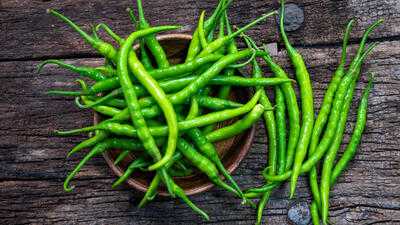
Is there any validity to these claims? Let's examine the situation and provide clarity.
Colic in Babies: An Overview
Colic is a fairly common problem among babies and is often experienced within the first few months of their lives. It can be characterised by excessive crying bouts in a healthy infant.
Symptoms of colic include the following:

Do the Foods Consumed by the Mother Affect the Composition of the Breast Milk?
Breast milk is designed by nature to have the perfect composition needed by babies. Although some food flavours may be transferred to the milk, they normally don't cause any damage to the baby.
Here is what you need to know:
Green Chillies and Colic: A Possible Link There is no scientifically proven link between eating green chillies and causing colic among breast-fed babies. Many mothers around the world eat spicy foods without experiencing any problems.
But every baby is different, and in some rare cases, a baby might show a reaction to certain things that the mother consumes.
Indications of a reaction might be:
When to be Cautious?Though green chillies are relatively safe in most cases, the amount consumed should be controlled. Excessively hot food items might result in acidity or stomach pain for the mother, thus indirectly affecting breastfeeding.
Limit spicy foods in case
Guidelines for Nursing Mothers It is important to have a balanced and diverse diet for both the mother and the infant. Rather than cutting out foods in fear, one should eat mindfully.
Some useful guidelines include the following:
Importance of Evidence-Based Information Where the health of your child is concerned, it is necessary that you make use of information that is both accurate and dependable. Do not blindly adhere to dietary prohibitions based merely on misconceptions.
See a doctor if:
It is advisable to eat moderately rather than stopping consumption altogether. It all depends on the unique requirements of each baby, and there is no need to follow the stringent guidelines of food intake while breastfeeding.
Confident and well-nourished mothers always produce healthy babies. Be wise in what you eat and maintain peace of mind.
Is there any validity to these claims? Let's examine the situation and provide clarity.
Colic in Babies: An Overview
Colic is a fairly common problem among babies and is often experienced within the first few months of their lives. It can be characterised by excessive crying bouts in a healthy infant.
Symptoms of colic include the following:
- Excessive crying for more than 3 hours a day
- Irritability, especially at nighttime
- Fists clenched tightly, along with an arched-back posture
- Difficulty calming the child down
Do the Foods Consumed by the Mother Affect the Composition of the Breast Milk?
Breast milk is designed by nature to have the perfect composition needed by babies. Although some food flavours may be transferred to the milk, they normally don't cause any damage to the baby.
Here is what you need to know:
- Babies develop a taste for various other foods when older
- All foods, even spices, are safe for consumption while breastfeeding
- A few babies are allergic to particular foods
Green Chillies and Colic: A Possible Link There is no scientifically proven link between eating green chillies and causing colic among breast-fed babies. Many mothers around the world eat spicy foods without experiencing any problems.
But every baby is different, and in some rare cases, a baby might show a reaction to certain things that the mother consumes.
Indications of a reaction might be:
- Being fussy after eating
- Feeling gassy
- Sleep disturbances
When to be Cautious?Though green chillies are relatively safe in most cases, the amount consumed should be controlled. Excessively hot food items might result in acidity or stomach pain for the mother, thus indirectly affecting breastfeeding.
Limit spicy foods in case
- The baby tends to get cranky after feeds
- There is a definite connection between your diet and the baby’s irritation
- If your baby is having other digestive problems
Guidelines for Nursing Mothers It is important to have a balanced and diverse diet for both the mother and the infant. Rather than cutting out foods in fear, one should eat mindfully.
Some useful guidelines include the following:
- Maintain a good and balanced diet with fruits, vegetables, grains, and proteins
- If uncertain about introducing spices, try doing so gradually
- Keep a straightforward food journal to monitor any reactions
- Drink enough water and maintain regular meal timing
- Do not eat too much spicy or oily food
See a doctor if:
- Your baby experiences colic
- There are signs of allergy such as rash, vomiting, diarrhoea
- You are uncertain regarding your diet’s effects
It is advisable to eat moderately rather than stopping consumption altogether. It all depends on the unique requirements of each baby, and there is no need to follow the stringent guidelines of food intake while breastfeeding.
Confident and well-nourished mothers always produce healthy babies. Be wise in what you eat and maintain peace of mind.
Next Story