
Do Snails Really Sleep for Three Years? The Truth Unveiled

Snails, with their slow and steady demeanor, have long intrigued humans. Among the many fascinating facts surrounding these mollusks, one claim stands out: snails can sleep for three years. Is this true, or just an exaggeration? Let’s unravel this curious mystery.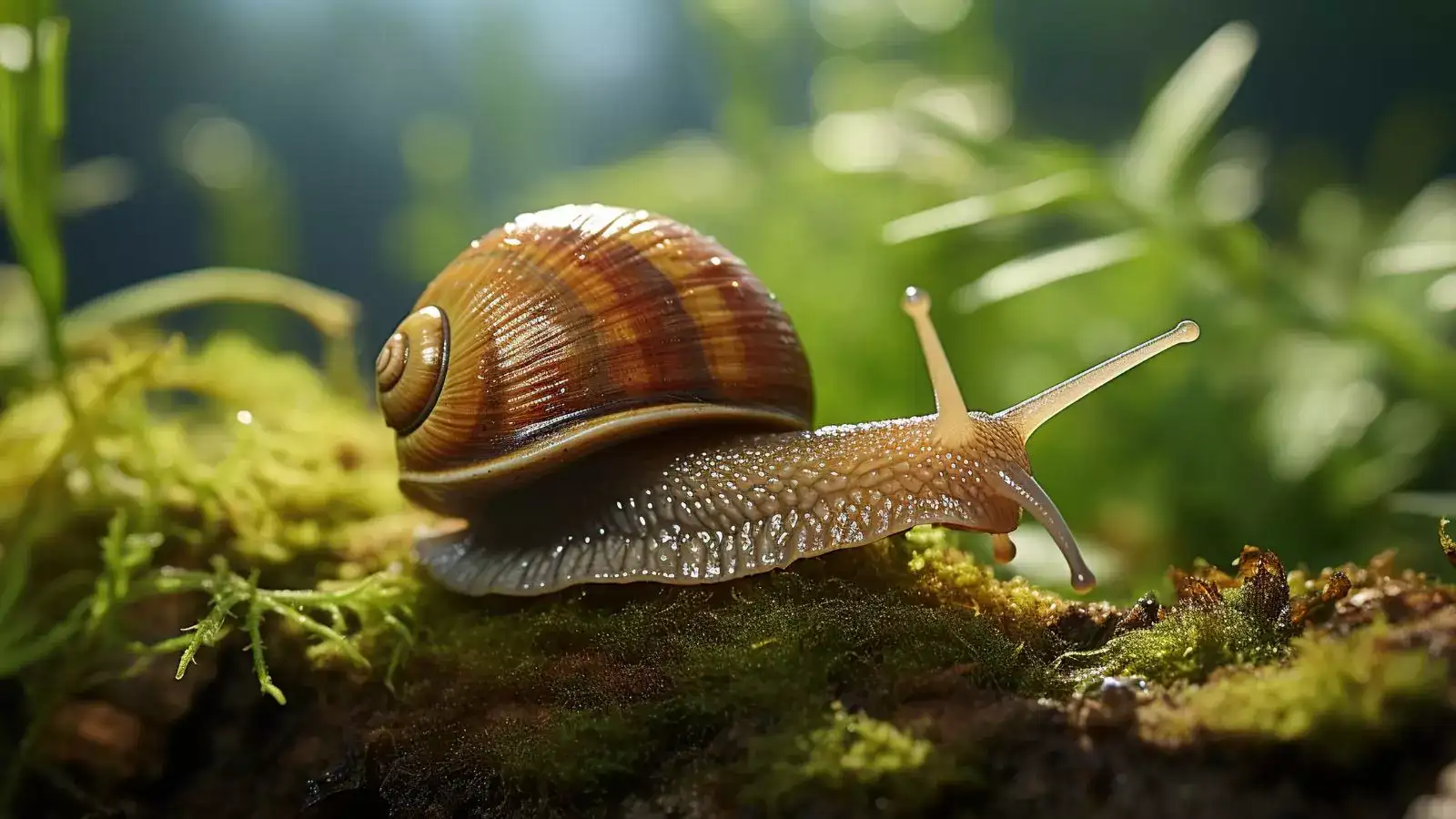
The Origin of the Myth
The idea that snails sleep for three years likely stems from observations of their hibernation and estivation behaviors. In unfavorable conditions—such as extreme cold or drought—snails can enter a state of dormancy to conserve energy. During this time, they retract into their shells, sealing the opening with a layer of mucus to retain moisture and protect themselves from harsh elements. This phase can last for months and, in rare cases, even years if the environment remains inhospitable.
However, labeling this extended dormancy as "sleep" is misleading. Sleep, as we know it in mammals, involves regular, short cycles of rest and activity within a day. For snails, this prolonged inactivity is more akin to survival hibernation than true sleep.
Snail Sleep Patterns
Snails do sleep, but not in the way we do. Unlike humans, who follow a 24-hour circadian rhythm, snails operate on a two- to three-day sleep cycle. They experience bursts of sleep that last about 13-15 hours, followed by 30-40 hours of activity. This unique pattern helps them adapt to their slow metabolism and conserve energy for survival.
When Dormancy Lasts Years
The phenomenon of snails remaining inactive for up to three years occurs only under extreme circumstances. Certain species, like desert snails, can hibernate or estivate for extended periods if conditions are particularly harsh. For instance, when water is scarce, a snail might enter estivation and remain dormant until rains return. These long periods of inactivity allow snails to survive in environments where other animals might perish.
Myths vs. Reality
While it’s true that snails can remain dormant for years, this is not their typical behavior. Most snails lead relatively active lives, foraging for food, reproducing, and exploring their surroundings. The idea of a snail sleeping for three years straight simplifies a complex survival mechanism into an overly literal interpretation.
Why It Matters
Understanding snail behavior is more than just satisfying curiosity. Snails play a crucial role in ecosystems as decomposers, breaking down organic matter and enriching soil. Their ability to adapt to extreme conditions highlights the resilience of nature and offers insights into survival strategies in challenging environments.
So, do snails really sleep for three years? The answer is both yes and no. While they don’t sleep in the traditional sense for such a long time, they can enter prolonged states of dormancy to weather unfavorable conditions. This remarkable adaptation ensures their survival and adds to their mystique. The next time you spot a snail, remember—there’s more to these tiny creatures than meets the eye.
The Origin of the Myth
The idea that snails sleep for three years likely stems from observations of their hibernation and estivation behaviors. In unfavorable conditions—such as extreme cold or drought—snails can enter a state of dormancy to conserve energy. During this time, they retract into their shells, sealing the opening with a layer of mucus to retain moisture and protect themselves from harsh elements. This phase can last for months and, in rare cases, even years if the environment remains inhospitable.
However, labeling this extended dormancy as "sleep" is misleading. Sleep, as we know it in mammals, involves regular, short cycles of rest and activity within a day. For snails, this prolonged inactivity is more akin to survival hibernation than true sleep.
You may also like
- Understanding High Vaginal Swab Tests: Purpose, Procedure, and Results
- Bank Holiday Today: Are banks open or closed today, Saturday, July 25? Clear up any confusion before you step out..
- Anamika Khanna opens India Couture Week 2026 with a dreamlike 'Moonlit Palace' showcase in Hyderabad
- Simhastha Kumbh Mela 2027: From temples to tirthas, 16 heritage projects take shape ahead of Kumbh 2027
- Child Care Tips: Don't Ignore Dehydration in Children—It Can Seriously Affect Their Health
Snail Sleep Patterns
Snails do sleep, but not in the way we do. Unlike humans, who follow a 24-hour circadian rhythm, snails operate on a two- to three-day sleep cycle. They experience bursts of sleep that last about 13-15 hours, followed by 30-40 hours of activity. This unique pattern helps them adapt to their slow metabolism and conserve energy for survival.
When Dormancy Lasts Years
The phenomenon of snails remaining inactive for up to three years occurs only under extreme circumstances. Certain species, like desert snails, can hibernate or estivate for extended periods if conditions are particularly harsh. For instance, when water is scarce, a snail might enter estivation and remain dormant until rains return. These long periods of inactivity allow snails to survive in environments where other animals might perish.
Myths vs. Reality
While it’s true that snails can remain dormant for years, this is not their typical behavior. Most snails lead relatively active lives, foraging for food, reproducing, and exploring their surroundings. The idea of a snail sleeping for three years straight simplifies a complex survival mechanism into an overly literal interpretation.
Why It Matters
Understanding snail behavior is more than just satisfying curiosity. Snails play a crucial role in ecosystems as decomposers, breaking down organic matter and enriching soil. Their ability to adapt to extreme conditions highlights the resilience of nature and offers insights into survival strategies in challenging environments.
So, do snails really sleep for three years? The answer is both yes and no. While they don’t sleep in the traditional sense for such a long time, they can enter prolonged states of dormancy to weather unfavorable conditions. This remarkable adaptation ensures their survival and adds to their mystique. The next time you spot a snail, remember—there’s more to these tiny creatures than meets the eye.






Loving Newspoint? Download the app now
