
Do You Know Where India’s Oldest Avocado Tree Is? Its Story Dates Back To The 1940s

India’s oldest avocado tree is believed to stand in Ambalavayal , a village in Kerala’s Wayanad district that has been associated with avocado cultivation and research for decades. Long before the fruit became a popular health food across India, this high-range farming region was already nurturing avocado varieties and studying their potential.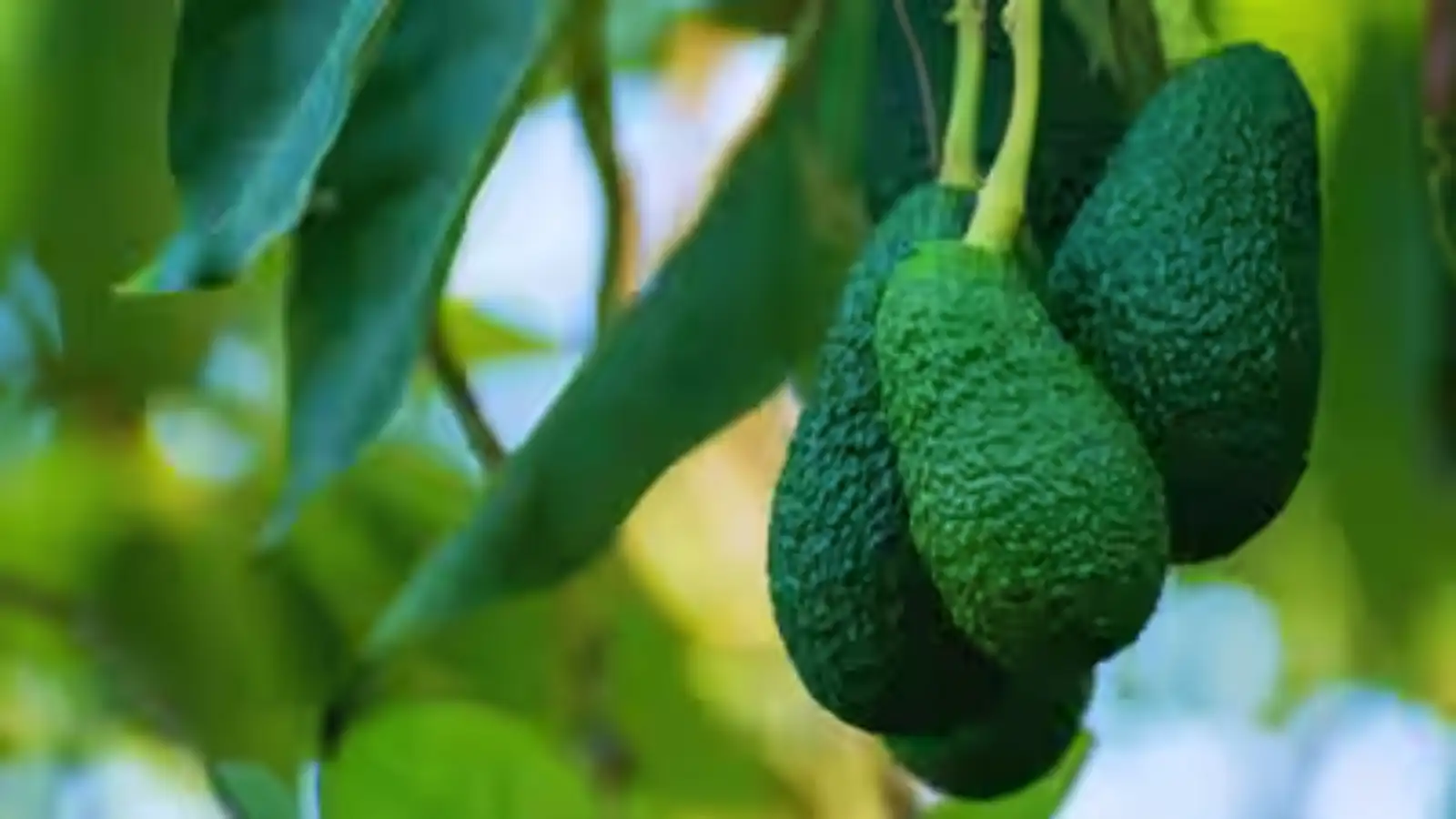
The recognition also reflects the role the village has played in developing agricultural knowledge around avocado cultivation, at a time when the fruit was still relatively unfamiliar to Indian consumers.
The tree is believed to date back to the early years of the agricultural farm, linking it to the 1940s. Its age makes it a fascinating reminder of how avocado cultivation in the region began long before the fruit became a fashionable addition to modern diets.
The tree is more than just an agricultural curiosity. It represents Ambalavayal’s generations-old connection with a crop that has only recently gained widespread popularity in India.
The agricultural farm was established in the 1940s by the then Madras government as part of the Ex-servicemen Colonisation Programme in Wayanad. Over the decades, the facility developed into an important agricultural research centre serving Kerala’s high-range areas.
Avocado became one of the fruit crops studied and maintained at the station, helping preserve varieties and build knowledge around their cultivation.
Some of the varieties associated with the station include:
Kerala has also seen growing interest in avocado cultivation, particularly in suitable high-range areas. As demand increases, regions with an established history of growing and researching the crop could become increasingly important.
With its farming heritage, decades of agricultural research and growing demand for avocados, Ambalavayal has earned its distinctive identity as Kerala’s first ‘Avocado City’.
India’s avocado boom may be relatively new, but Ambalavayal shows that the fruit has had a presence in the country for far longer than many people realise. The village’s historic tree and agricultural research legacy make it a fascinating chapter in India’s evolving avocado story.
Ambalavayal: Kerala’s First ‘Avocado City’
Ambalavayal in Wayanad has earned a unique place in Kerala’s agricultural history. In 2025, the village was officially recognised as Kerala’s first ‘Avocado City’, highlighting its long association with the fruit.The recognition also reflects the role the village has played in developing agricultural knowledge around avocado cultivation, at a time when the fruit was still relatively unfamiliar to Indian consumers.
The Old Avocado Tree That Tells A Much Older Story
One of Ambalavayal’s most intriguing attractions is an old avocado tree located inside the Regional Agricultural Research Station (RARS) campus.The tree is believed to date back to the early years of the agricultural farm, linking it to the 1940s. Its age makes it a fascinating reminder of how avocado cultivation in the region began long before the fruit became a fashionable addition to modern diets.
The tree is more than just an agricultural curiosity. It represents Ambalavayal’s generations-old connection with a crop that has only recently gained widespread popularity in India.
How Ambalavayal Became An Agricultural Research Hub
The story of avocado in Ambalavayal is closely connected to the Regional Agricultural Research Station of Kerala Agricultural University.The agricultural farm was established in the 1940s by the then Madras government as part of the Ex-servicemen Colonisation Programme in Wayanad. Over the decades, the facility developed into an important agricultural research centre serving Kerala’s high-range areas.
Avocado became one of the fruit crops studied and maintained at the station, helping preserve varieties and build knowledge around their cultivation.
You may also like
- Celebrating 40 Years of Indian Couture: Abu Jani and Sandeep Khosla's Grand Event
- PF Tips: Will PF interest stop if you quit your job at 40? Know this EPFO rule..
- “Supervision till 16 isn't control, it's care”: Shilpa Shetty on the one internet rule parents should not ignore while raising children
- Meet the ex-civil servant who left his government job, bought barren land near Ranthambore and created a wildlife refuge
- The plane is not your nani's dining room
Avocado Varieties Grown At The Research Station
The research station maintains several avocado varieties, reflecting the scientific interest in adapting and evaluating the fruit for local growing conditions.Some of the varieties associated with the station include:
- Kallar Round
- Fuerte
- Purple Hybrid
- Pollock
Why Avocados Are Becoming Popular In India
Avocado has gone from being a relatively unfamiliar fruit to a sought-after food among health-conscious consumers. Its creamy texture and nutritional profile have helped it find a place in everything from salads and sandwiches to smoothies and breakfast bowls.Kerala has also seen growing interest in avocado cultivation, particularly in suitable high-range areas. As demand increases, regions with an established history of growing and researching the crop could become increasingly important.
Ambalavayal’s Avocado Legacy Is Decades Old
The rise of avocado in India may seem like a recent phenomenon, but Ambalavayal’s avocado story stretches back generations. The old tree at the research station offers a living connection to the region’s agricultural past, while ongoing cultivation and research point towards its future.With its farming heritage, decades of agricultural research and growing demand for avocados, Ambalavayal has earned its distinctive identity as Kerala’s first ‘Avocado City’.
India’s avocado boom may be relatively new, but Ambalavayal shows that the fruit has had a presence in the country for far longer than many people realise. The village’s historic tree and agricultural research legacy make it a fascinating chapter in India’s evolving avocado story.






Loving Newspoint? Download the app now
