
How Your Dog Greets You And What It Means Emotionally

Dogs communicate constantly through body language, and their greetings are one of the clearest signs of emotion. Whether it’s a burst of energy or a soft approach, your dog’s behaviour reflects their dog human bond and emotional state.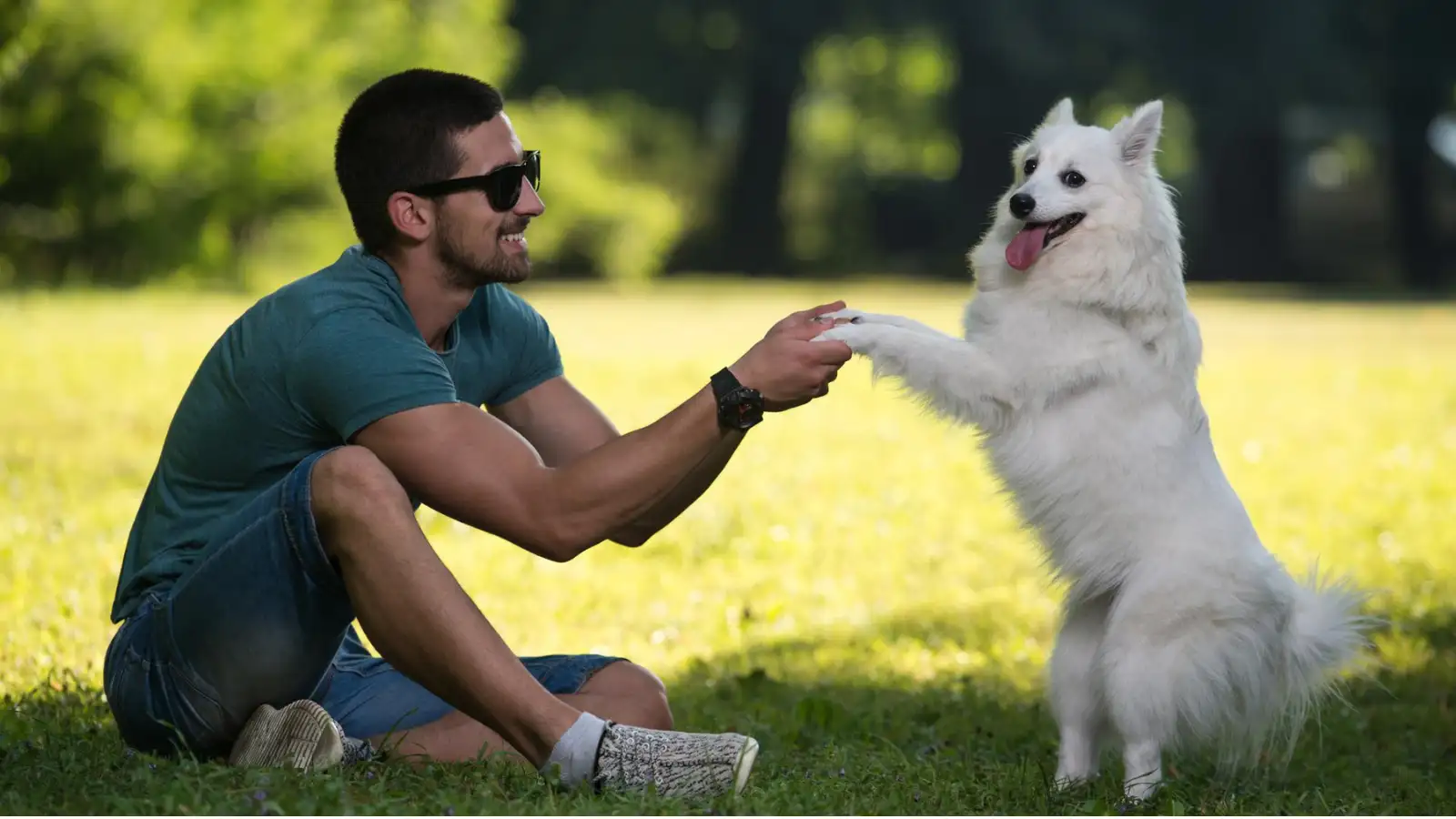
Experts in dog behaviour psychology suggest that greeting styles are shaped by excitement, trust, and past experiences with their owner.
The Full-Body Wiggle Greeting
Some dogs greet you with pure excitement bouncing, twisting, and wagging from head to tail. This dog greeting behaviour usually shows high joy and strong emotional attachment.
A loose, wiggly body often indicates a secure bond, where the dog feels safe and happy when you return. This energetic style reflects a strong dog emotional attachment and deep affection.
Read More: Fun Brain Games to Stimulate Your Dog's Mind and Keep Them Happy, Engaged and Out of Mischief
The Toy-Carrying Welcome
Many dogs rush to the door with a toy in their mouth. This playful dog greeting style explained shows excitement and an invitation to interact.
It also helps some dogs manage their energy. Bringing a toy often signals trust and a desire to share joy with their favourite person.
The Quiet Leaning Greeting
Some dogs don’t jump or run they simply lean against you. This calm behaviour is a strong sign of comfort and trust.
A leaning dog often views you as a safe space, similar to a comforting presence. This gentle behaviour reflects a stable dog human bond built on security and affection.
The Soft Tail Wag Greeting
A controlled tail wag with calm body language often belongs to thoughtful or reserved dogs. This subtle dog communication signals approach still shows happiness, just in a quieter way.
These dogs may not be dramatic, but their steady behaviour reflects emotional balance and trust.
The Overexcited Jumper
Some dogs greet you by jumping, licking, and bouncing uncontrollably. While this dog greeting behaviour can be overwhelming, it often comes from excitement and strong attachment.
In some cases, it may indicate mild insecurity or difficulty managing separation, which can be improved with training and routine.
The Calm or Minimal Greeting
A few dogs barely react when you arrive. This does not always mean a weak bond. Some dogs are simply independent or relaxed in their personality.
Their calm response can still reflect a strong dog emotional attachment, especially if they follow you around or seek closeness later.
How Your Behaviour Shapes Your Dog’s Greetings
Your response plays a big role in shaping your dog’s greeting style. Excited reactions encourage excitement, while calm reinforcement can promote relaxed greetings.
Understanding dog behaviour psychology helps build better communication and a more balanced dog human bond over time.
Your dog’s greeting is more than just excitement, it is communication. From wild wiggles to quiet leans, each style reveals emotions, trust, and personality.
By learning to read dog body language meaning , you can strengthen your bond and create calmer, happier reunions every time you come home.
Experts in dog behaviour psychology suggest that greeting styles are shaped by excitement, trust, and past experiences with their owner.
The Full-Body Wiggle Greeting
Some dogs greet you with pure excitement bouncing, twisting, and wagging from head to tail. This dog greeting behaviour usually shows high joy and strong emotional attachment.A loose, wiggly body often indicates a secure bond, where the dog feels safe and happy when you return. This energetic style reflects a strong dog emotional attachment and deep affection.
Read More: Fun Brain Games to Stimulate Your Dog's Mind and Keep Them Happy, Engaged and Out of Mischief
The Toy-Carrying Welcome
Many dogs rush to the door with a toy in their mouth. This playful dog greeting style explained shows excitement and an invitation to interact. It also helps some dogs manage their energy. Bringing a toy often signals trust and a desire to share joy with their favourite person.
The Quiet Leaning Greeting
Some dogs don’t jump or run they simply lean against you. This calm behaviour is a strong sign of comfort and trust. A leaning dog often views you as a safe space, similar to a comforting presence. This gentle behaviour reflects a stable dog human bond built on security and affection.
The Soft Tail Wag Greeting
A controlled tail wag with calm body language often belongs to thoughtful or reserved dogs. This subtle dog communication signals approach still shows happiness, just in a quieter way. These dogs may not be dramatic, but their steady behaviour reflects emotional balance and trust.
The Overexcited Jumper
Some dogs greet you by jumping, licking, and bouncing uncontrollably. While this dog greeting behaviour can be overwhelming, it often comes from excitement and strong attachment. In some cases, it may indicate mild insecurity or difficulty managing separation, which can be improved with training and routine.
The Calm or Minimal Greeting
A few dogs barely react when you arrive. This does not always mean a weak bond. Some dogs are simply independent or relaxed in their personality.Their calm response can still reflect a strong dog emotional attachment, especially if they follow you around or seek closeness later.
How Your Behaviour Shapes Your Dog’s Greetings
Your response plays a big role in shaping your dog’s greeting style. Excited reactions encourage excitement, while calm reinforcement can promote relaxed greetings. Understanding dog behaviour psychology helps build better communication and a more balanced dog human bond over time.
Your dog’s greeting is more than just excitement, it is communication. From wild wiggles to quiet leans, each style reveals emotions, trust, and personality.
By learning to read dog body language meaning , you can strengthen your bond and create calmer, happier reunions every time you come home.
Next Story