
Walking Your Dog? Common Safety Mistakes to Avoid

Walking is an important part of life for many dogs. It provides opportunities to move, investigate smells and experience the environment beyond the home. However, a daily walk should be planned around the dog's age, health, temperament and surroundings.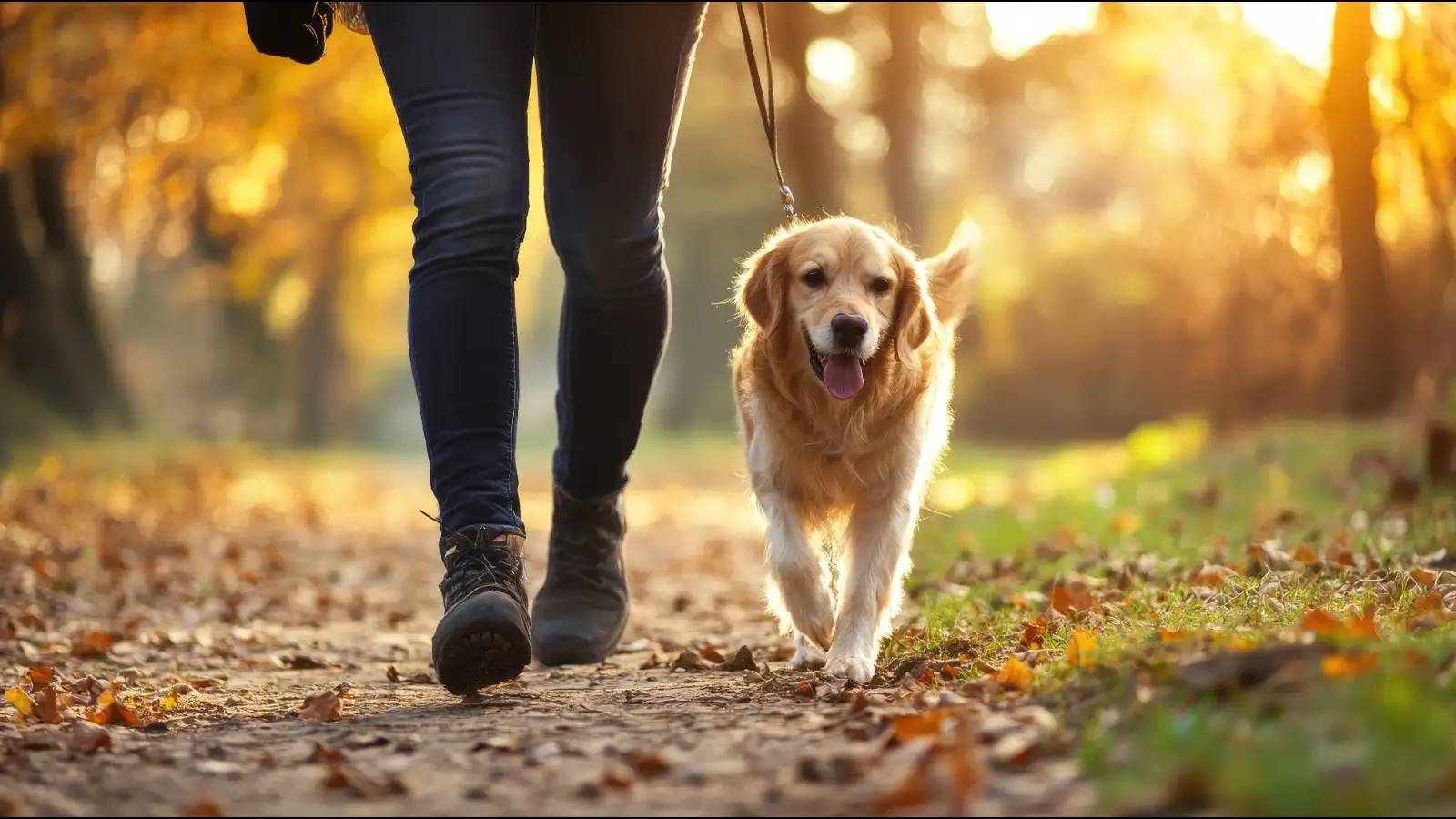
In Indian neighbourhoods, pet parents may encounter busy roads, two-wheelers, street dogs, uneven pavements and hot weather. A few practical precautions can make outings more manageable for both the dog and its owner.
A harness may be useful for dogs that pull, but the right choice depends on the individual animal and how it responds to equipment.
Check clips, straps and stitching regularly for signs of wear. Introduce new equipment gradually at home before relying on it outdoors.
Keep your dog on a lead near roads and avoid allowing it to approach unfamiliar animals without permission. Even a normally friendly dog may react unpredictably when frightened, startled or uncomfortable.
Keep the lead short enough to maintain control near traffic, but avoid pulling continuously. Reward calm behaviour and practise responding to simple cues in a low-distraction environment.
Choose cooler parts of the day when temperatures are high, and avoid prolonged walks on hot pavement. If a surface feels too hot for your bare hand or feet, find a cooler route instead.
Carry water when appropriate and allow your dog to rest. Never leave a dog unattended in a parked vehicle during warm weather. Heat can build up rapidly inside a car.
Other signs of discomfort can include limping, refusing to move, repeatedly licking the paws or attempting to escape from equipment.
Stop the walk if your dog appears unwell. Move to a safe, cooler place when appropriate and contact a veterinarian if symptoms persist or seem serious.
Ask before allowing your dog to greet another animal. Avoid letting the lead become tangled around people, and clean up after your pet.
If your dog reacts strongly to traffic, other dogs or unfamiliar people, consider shorter walks in quieter locations and seek help from a qualified trainer who uses humane, reward-based methods.
Avoid comparing your dog's exercise needs with those of another pet. Observe how it responds and seek veterinary advice if you are unsure about an appropriate level of activity.
A safe walk is not measured by distance alone. It should provide suitable movement, opportunities to explore and a comfortable experience for your dog.
In Indian neighbourhoods, pet parents may encounter busy roads, two-wheelers, street dogs, uneven pavements and hot weather. A few practical precautions can make outings more manageable for both the dog and its owner.
1. Choose a Suitable Lead and Harness
Use a secure collar or well-fitted harness attached to a sturdy lead. The equipment should allow comfortable movement without slipping off or placing unnecessary pressure on the dog's neck.A harness may be useful for dogs that pull, but the right choice depends on the individual animal and how it responds to equipment.
Check clips, straps and stitching regularly for signs of wear. Introduce new equipment gradually at home before relying on it outdoors.
2. Plan a Safer Walking Route
Whenever possible, choose quieter streets, parks or walking areas with enough space to move away from traffic.Keep your dog on a lead near roads and avoid allowing it to approach unfamiliar animals without permission. Even a normally friendly dog may react unpredictably when frightened, startled or uncomfortable.
Keep the lead short enough to maintain control near traffic, but avoid pulling continuously. Reward calm behaviour and practise responding to simple cues in a low-distraction environment.
3. Check the Weather and Ground Temperature
Hot weather can make walking uncomfortable and may expose a dog's paws to dangerously warm surfaces.Choose cooler parts of the day when temperatures are high, and avoid prolonged walks on hot pavement. If a surface feels too hot for your bare hand or feet, find a cooler route instead.
Carry water when appropriate and allow your dog to rest. Never leave a dog unattended in a parked vehicle during warm weather. Heat can build up rapidly inside a car.
4. Watch for Signs of Stress
Panting can occur during exercise, but excessive panting, repeated attempts to stop, unusual weakness or difficulty breathing may signal that a dog needs help.Other signs of discomfort can include limping, refusing to move, repeatedly licking the paws or attempting to escape from equipment.
Stop the walk if your dog appears unwell. Move to a safe, cooler place when appropriate and contact a veterinarian if symptoms persist or seem serious.
You may also like
5. Be Considerate Around Other People and Animals
Not everyone is comfortable around dogs, and some dogs need extra space from strangers or other pets.Ask before allowing your dog to greet another animal. Avoid letting the lead become tangled around people, and clean up after your pet.
If your dog reacts strongly to traffic, other dogs or unfamiliar people, consider shorter walks in quieter locations and seek help from a qualified trainer who uses humane, reward-based methods.
Build a Consistent Routine
The right walking duration varies according to breed, age, health and energy level. Puppies, older dogs and animals with medical conditions may need different routines.Avoid comparing your dog's exercise needs with those of another pet. Observe how it responds and seek veterinary advice if you are unsure about an appropriate level of activity.
A safe walk is not measured by distance alone. It should provide suitable movement, opportunities to explore and a comfortable experience for your dog.






Loving Newspoint? Download the app now
