
Everyday Items You Can Replace with Eco-Friendly Alternatives

changes in your everyday routine can significantly reduce waste , conserve resources, and help protect the environment. By replacing single-use products with reusable alternatives and making mindful choices, you can create a positive impact without changing your entire lifestyle. Here are some easy eco-friendly swaps you can start using today.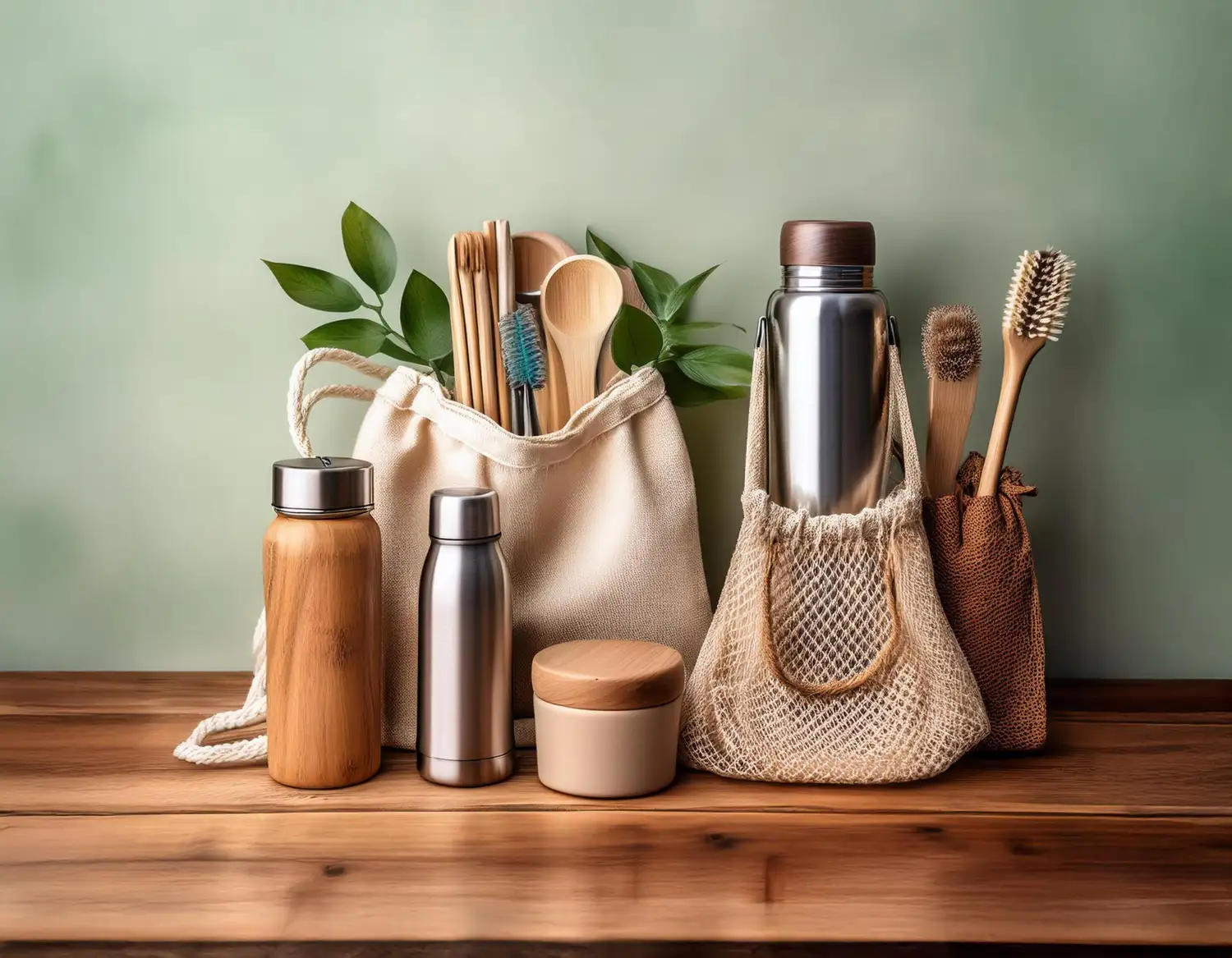
Adopting an eco-friendly lifestyle doesn't require dramatic changes overnight. Simple daily swaps, such as carrying reusable items, reducing plastic use, conserving energy, and minimizing waste, can collectively make a meaningful difference. By incorporating these easy habits into your routine, you can contribute to a healthier planet while often saving money and living more sustainably.
Carry a Reusable Water Bottle
Instead of buying bottled water every day, carry a reusable stainless steel or BPA-free water bottle. It helps reduce plastic waste, saves money over time, and keeps you hydrated wherever you go. Many insulated bottles also keep drinks cold or hot for hours.Switch to Cloth Shopping Bags
Replace disposable plastic bags with reusable cloth or canvas shopping bags. Keep a few folded bags in your car, backpack, or handbag so you're always prepared while shopping. These durable bags can be used hundreds of times, making them an environmentally friendly choice.Use Reusable Coffee Cups
If you regularly grab coffee or tea on the go, switch to a reusable travel mug. Many cafés even offer discounts when customers bring their own cups. This simple habit helps reduce the number of disposable paper cups and plastic lids that end up in landfills.Choose Refillable Cleaning Products
Instead of purchasing new plastic bottles every time, opt for refillable cleaning products or concentrated cleaning solutions. Refilling existing containers reduces plastic waste and often saves money in the long run.Replace Paper Towels with Cloth Towels
Swap disposable paper towels for washable kitchen cloths or microfiber towels. They can be washed and reused multiple times, reducing household waste while still being effective for cleaning spills and wiping surfaces.Store Food in Glass Containers
Replace single-use plastic wraps and disposable food containers with reusable glass storage containers. Glass is durable, doesn't absorb odors, and can often be used safely in microwaves, ovens, and dishwashers.Switch to Bamboo Toothbrushes
Traditional plastic toothbrushes contribute to long-term plastic waste. Bamboo toothbrushes offer a biodegradable handle while providing the same cleaning performance when used with proper oral hygiene practices.Use Bar Soap Instead of Liquid Soap
Bar soaps usually come in minimal paper packaging compared to liquid soaps sold in plastic bottles. They also tend to last longer and generate less packaging waste, making them a practical eco-friendly alternative.You may also like
- The biggest monsoon gardening mistakes
- Is Europe's record-breaking hottest June a dire warning for climate change?
- Why monsoon is your balcony garden's golden season
- PM Kisan Scheme: Find out when the ₹2,000 will be credited and which farmers will benefit..
- From The Godfather to Middlemarch: 8 film adaptations that stayed astonishingly close to the books, and why fidelity can make classics feel new again
Try Reusable Food Wraps
Instead of using disposable plastic wrap, consider reusable food wraps made from beeswax or plant-based materials. They can be washed, reused many times, and help keep food fresh while reducing single-use plastic consumption.Choose Rechargeable Batteries
Rechargeable batteries can be used hundreds of times, reducing both waste and the need to constantly purchase disposable batteries. They're ideal for devices like remote controls, wireless mice, toys, and flashlights.Use Energy-Efficient LED Bulbs
Replacing traditional incandescent bulbs with LED bulbs can reduce electricity consumption significantly. LED bulbs also last much longer, meaning fewer replacements and less waste over time.Carry Reusable Cutlery and Straws
Keep a reusable set of stainless steel or bamboo cutlery and a reusable straw in your bag. They're especially useful when ordering takeaway meals or drinks and help reduce dependence on single-use plastic items.Buy Local and Seasonal Produce
Choosing locally grown and seasonal fruits and vegetables often reduces the environmental impact associated with long-distance transportation and excessive packaging. It also supports local farmers and encourages fresher food choices.Wash Clothes in Cold Water
Most everyday laundry can be cleaned effectively with cold water. Washing clothes at lower temperatures helps save energy, reduces utility bills, and can also help preserve fabric quality and colors.Compost Kitchen Waste
Fruit peels, vegetable scraps, coffee grounds, and other organic kitchen waste can be composted instead of thrown away. Compost enriches garden soil naturally while reducing the amount of waste sent to landfills.Adopting an eco-friendly lifestyle doesn't require dramatic changes overnight. Simple daily swaps, such as carrying reusable items, reducing plastic use, conserving energy, and minimizing waste, can collectively make a meaningful difference. By incorporating these easy habits into your routine, you can contribute to a healthier planet while often saving money and living more sustainably.






Loving Newspoint? Download the app now
