
Eating Curd in Winter: Does It Really Cause a Cold and Cough?

Curd in winter often becomes a topic of debate, with many people avoiding it out of fear that it could cause a cold, cough or throat irritation. However, curd is packed with essential nutrients and beneficial bacteria that support digestion and overall health. So, should you stop eating curd when temperatures drop? The answer depends on your health, dietary habits and how your body responds to it. Understanding its benefits and potential drawbacks can help you make the right choice during the colder months.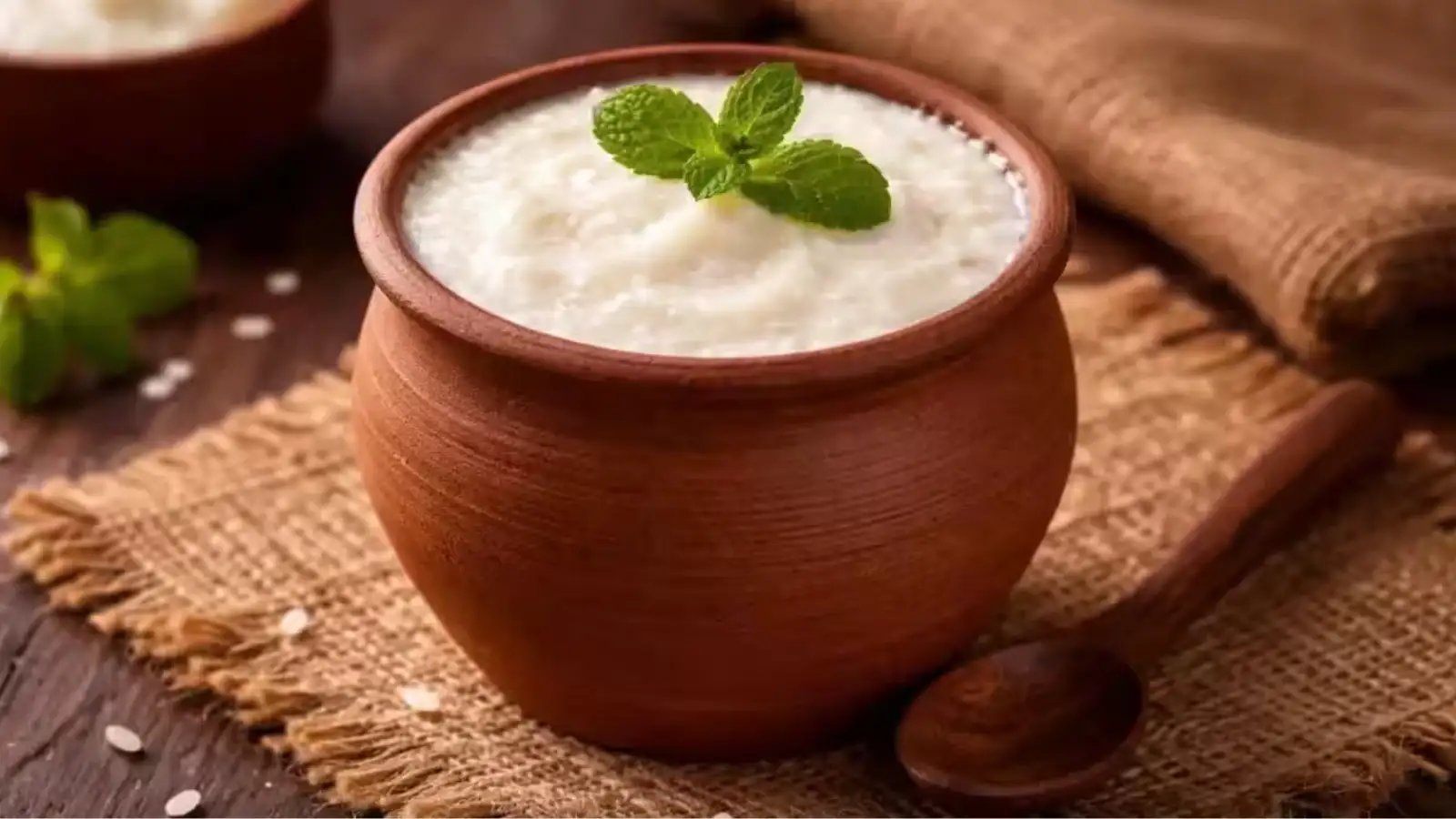
Curd containing live and active cultures may also help maintain a healthy balance of gut bacteria. Good gut health plays an important role in digestion and supports several functions associated with the immune system.
Rather than removing curd from your diet simply because it is winter, consider your nutritional needs and how well you tolerate dairy products.
That said, individual experiences can vary. Some people may find cold foods uncomfortable when they already have a sore throat, nasal congestion or throat irritation. Eating curd straight from the refrigerator may feel unpleasant in such situations, even though it does not directly cause a viral infection.
If you notice that curd aggravates your discomfort, consider reducing your intake temporarily or eating it at room temperature. Pay attention to your symptoms rather than following a blanket rule that curd must be avoided throughout winter.
For most people who tolerate dairy well, the time of day is a matter of personal preference. There is no universal rule that curd must be avoided after sunset during winter.
However, if you regularly experience digestive discomfort, reflux or throat irritation after eating curd at night, you may benefit from adjusting your meal timing or portion size. Those with lactose intolerance or dairy sensitivity should also consider how their bodies respond to it.
If you have a sore throat or congestion, you can decide whether curd feels comfortable to eat. There is no need to force yourself to consume it if it makes you feel worse.
People with persistent cough, fever, breathing difficulties or worsening throat symptoms should not rely on dietary changes alone. Medical advice may be necessary to identify the underlying cause and determine appropriate treatment.
The best approach is to consider your individual tolerance, choose a comfortable serving temperature and maintain a balanced diet. If curd suits your digestion and does not aggravate your symptoms, there is usually no reason to eliminate it simply because winter has arrived.
1. Curd Offers Several Health Benefits
Curd is a nutritious food that can be included in a balanced winter diet. It provides protein, calcium and B vitamins, which support essential bodily functions, including muscle health and bone strength.Curd containing live and active cultures may also help maintain a healthy balance of gut bacteria. Good gut health plays an important role in digestion and supports several functions associated with the immune system.
Rather than removing curd from your diet simply because it is winter, consider your nutritional needs and how well you tolerate dairy products.
2. Does Eating Curd in Winter Cause Cold and Cough?
One of the most common beliefs is that eating curd during winter can lead to a cold or cough. However, the common cold is caused by viruses, not by eating curd or consuming cold foods.That said, individual experiences can vary. Some people may find cold foods uncomfortable when they already have a sore throat, nasal congestion or throat irritation. Eating curd straight from the refrigerator may feel unpleasant in such situations, even though it does not directly cause a viral infection.
If you notice that curd aggravates your discomfort, consider reducing your intake temporarily or eating it at room temperature. Pay attention to your symptoms rather than following a blanket rule that curd must be avoided throughout winter.
3. Is Eating Curd at Night a Bad Idea?
Many traditional dietary practices recommend avoiding curd at night, particularly for people who are prone to congestion or throat discomfort. However, scientific evidence that eating curd at night directly increases mucus production is limited.For most people who tolerate dairy well, the time of day is a matter of personal preference. There is no universal rule that curd must be avoided after sunset during winter.
However, if you regularly experience digestive discomfort, reflux or throat irritation after eating curd at night, you may benefit from adjusting your meal timing or portion size. Those with lactose intolerance or dairy sensitivity should also consider how their bodies respond to it.
4. How to Eat Curd Safely During Winter
You do not necessarily need to give up curd when the weather turns cold. A few simple adjustments can make it more comfortable to include in your daily meals.- Avoid eating it straight from the refrigerator: Let curd reach room temperature if very cold food causes throat discomfort.
- Pair it with regular meals: You can enjoy curd with parathas, khichdi or other meals as part of a balanced diet.
- Add flavour with spices: Roasted cumin can enhance its taste without requiring complicated preparation.
- Choose suitable portions: Eat an amount that agrees with your digestion and fits your nutritional needs.
- Pay attention to your symptoms: If curd consistently causes discomfort, reduce your intake and consider seeking medical advice if the problem persists.
5. Who Should Be Careful About Eating Curd?
Although curd is nutritious, it may not suit everyone in the same way. People with lactose intolerance may experience bloating, gas or diarrhoea after consuming dairy products. Others may have a dairy allergy or notice that certain foods aggravate their existing symptoms.If you have a sore throat or congestion, you can decide whether curd feels comfortable to eat. There is no need to force yourself to consume it if it makes you feel worse.
People with persistent cough, fever, breathing difficulties or worsening throat symptoms should not rely on dietary changes alone. Medical advice may be necessary to identify the underlying cause and determine appropriate treatment.
Should You Avoid Curd During Winter?
For most people, eating curd in winter is generally safe and can provide valuable nutrients as part of a varied diet. There is no strong scientific evidence that curd directly causes the common cold or that eating it at night automatically increases mucus production.The best approach is to consider your individual tolerance, choose a comfortable serving temperature and maintain a balanced diet. If curd suits your digestion and does not aggravate your symptoms, there is usually no reason to eliminate it simply because winter has arrived.
Next Story