
Eating Less Protein May Slow Ageing and Improve Health, Study Suggests

Protein has become the star nutrient in recent years, finding its way into everything from cereals and coffee to snacks and even protein-infused water. While high-protein diets are often promoted for muscle growth and weight management, a new scientific review suggests that consuming less protein may offer surprising health benefits , especially for people who lead a sedentary lifestyle.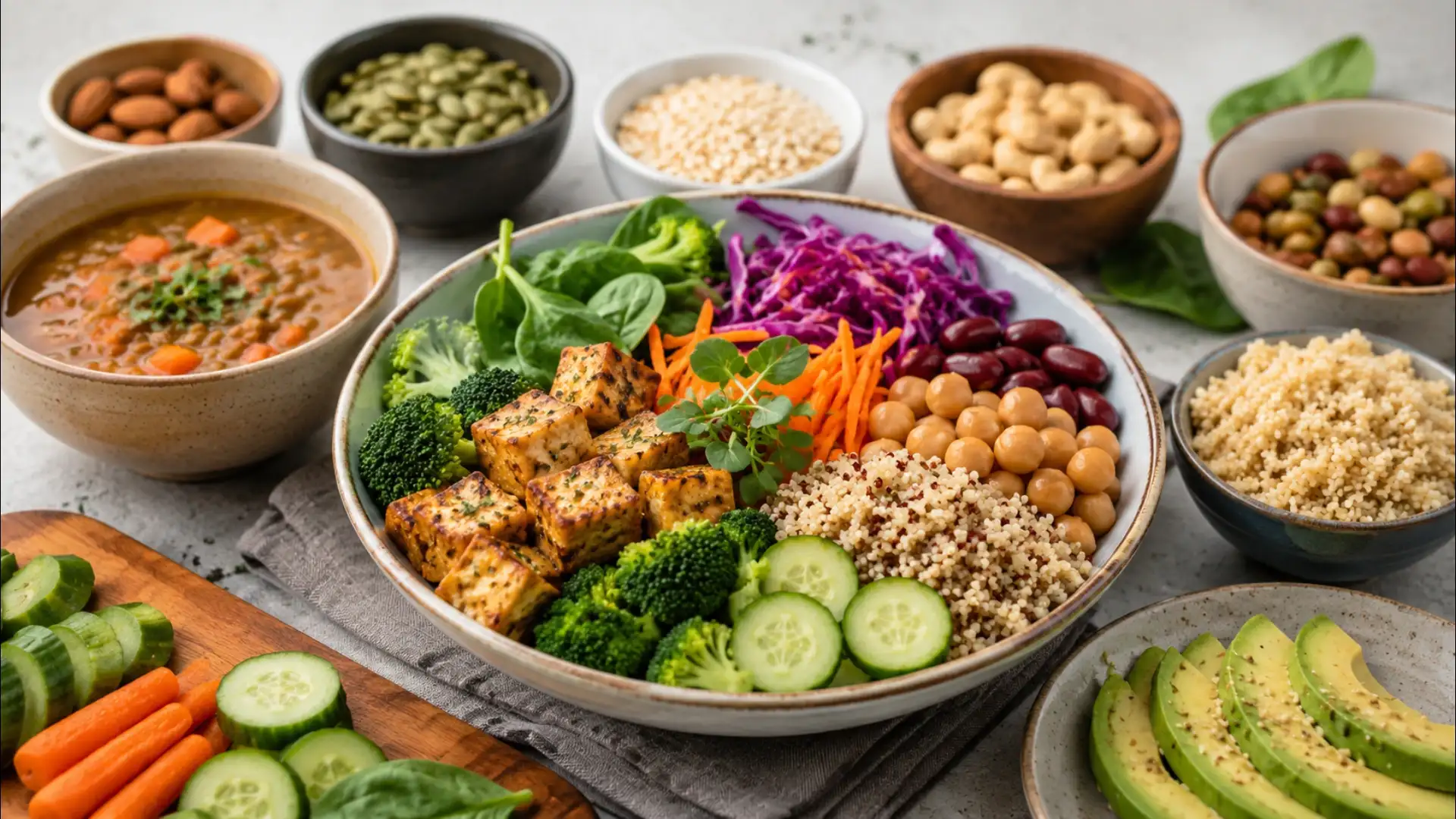
In a research study, the review analysed more than 350 studies on protein restriction and ageing . Researchers concluded that lowering protein intake may improve metabolic health , slow biological ageing and, in some cases, even extend lifespan.
According to the researchers, restricting protein intake appears to:
“It’s absolutely crystal clear that there are benefits of protein to muscle growth and exercise response of active individuals. But because most people are relatively sedentary, many people are likely consuming more protein than they actually need, which probably has negative health consequences,” said the study’s corresponding author.
Previous studies in flies and rodents have shown that reducing protein intake, without cutting calories, can extend lifespan. Human clinical trials have also found that lower protein consumption may help reduce body weight, decrease fat mass and improve fasting blood sugar levels, even when participants consumed the same or slightly higher number of calories.
In a research study, the review analysed more than 350 studies on protein restriction and ageing . Researchers concluded that lowering protein intake may improve metabolic health , slow biological ageing and, in some cases, even extend lifespan.
What did the researchers find
The review was led by researchers from the University of Wisconsin-Madison , who examined decades of evidence exploring the relationship between protein intake and healthy ageing.You may also like
- Major changes likely for UPI payments; more clicks required! RBI may implement a new rule..
- "When my daughter won silver, I saw myself on the podium": How an electrician father's unfinished dream shaped Commonwealth medalist Gyaneshwari Yadav and what every parent can learn from it
- How soon does your CIBIL score drop after missing an EMI? Understand bank rules
- Supreme Court Concerned Over Uninsured Vehicles; Why is 'No Insurance, No Fuel' Now Essential?
- UPI Won't Remain Completely Free; Someone Has to Bear the Cost: RBI Governor's Major Statement
According to the researchers, restricting protein intake appears to:
- Improve metabolism
- Change how cells sense and respond to nutrients
- Reduce cellular damage
- Preserve healthy cell function
- Lower the risk of several age-related diseases
Why eating more protein isn’t always better
While protein is essential for building and maintaining muscle, researchers say the amount people need depends largely on how physically active they are.“It’s absolutely crystal clear that there are benefits of protein to muscle growth and exercise response of active individuals. But because most people are relatively sedentary, many people are likely consuming more protein than they actually need, which probably has negative health consequences,” said the study’s corresponding author.
How protein restriction may promote longevity
Scientists have long known that reducing calorie intake can increase lifespan in several animal species and lower the risk of diseases such as cancer. However, sticking to a calorie-restricted diet is difficult for most people.Protein restriction may offer a more practical alternative.Previous studies in flies and rodents have shown that reducing protein intake, without cutting calories, can extend lifespan. Human clinical trials have also found that lower protein consumption may help reduce body weight, decrease fat mass and improve fasting blood sugar levels, even when participants consumed the same or slightly higher number of calories.






Loving Newspoint? Download the app now
