
Simple Ways to Reduce Stress Naturally and Improve Everyday Wellbeing

Stress has become such a common part of modern life that many people accept it as normal. Deadlines, financial pressures, family responsibilities and the constant flow of information from digital devices can leave even the most organised individuals feeling overwhelmed. While a certain amount of stress can be useful, helping people stay motivated and alert, chronic stress can affect physical health, emotional wellbeing and overall quality of life. The encouraging news is that managing stress does not always require major lifestyle changes or expensive solutions. Some of the most effective ways to reduce stress naturally are surprisingly simple, accessible and supported by research. Small daily habits can often make a significant difference over time.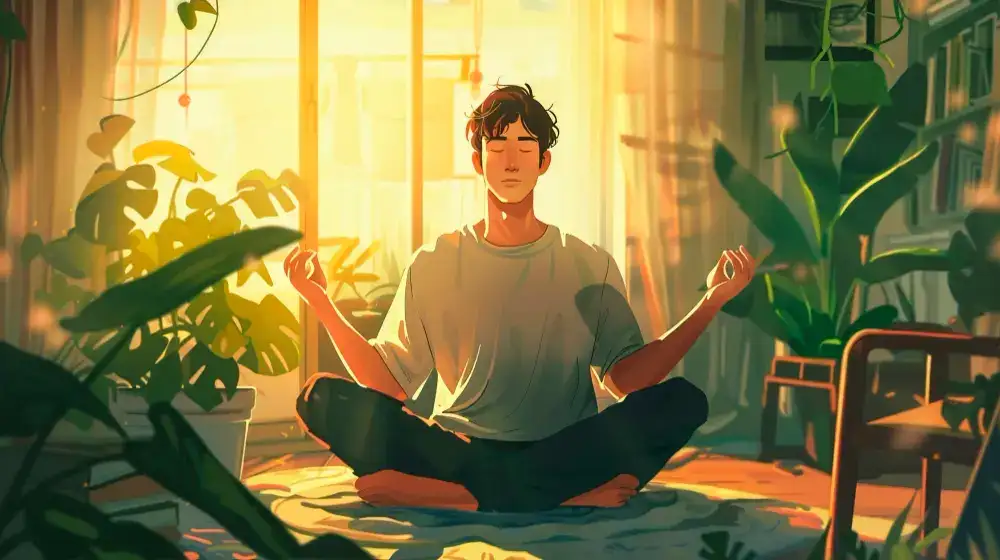
Today, however, stress is often triggered by emails, work commitments, financial concerns or social pressures rather than physical dangers. Although the causes have changed, the body's reaction remains largely the same. Heart rate increases, stress hormones are released and the mind becomes more alert.
The problem arises when this state continues for extended periods. Long-term stress can contribute to sleep difficulties, reduced concentration, weakened immunity and a range of other health concerns. This is why finding natural ways to reduce stress is so important.
Research has repeatedly shown that exposure to green spaces can help lower stress levels and improve mood. Whether it is a walk through a local park, time spent gardening or simply sitting among trees, nature appears to have a calming effect on the mind.
Scientists are still exploring exactly why this happens, but many believe that natural environments reduce mental fatigue and encourage relaxation. In countries such as Japan, the practice of "forest bathing" has even become a recognised wellbeing activity.
The good news is that significant benefits can be experienced without spending hours outdoors. Even short periods in nature can make a noticeable difference.
Creating healthy sleep habits is one of the most valuable ways to support emotional wellbeing. Maintaining a consistent bedtime, reducing screen use before sleep and keeping bedrooms cool and comfortable can all improve sleep quality.
Many people underestimate the importance of rest. Yet during sleep, the brain processes emotions, consolidates memories and restores energy reserves. A well-rested mind is generally better equipped to cope with everyday challenges.
When individuals feel anxious or overwhelmed, breathing often becomes shallow and rapid. Deep breathing techniques can help reverse this reaction by signalling to the nervous system that it is safe to relax.
Simple exercises, such as slowly inhaling through the nose and exhaling through the mouth, can lower heart rate and promote a sense of calm. These techniques are particularly useful because they can be practised almost anywhere, whether at home, at work or while travelling.
Many athletes, performers and emergency responders use controlled breathing to remain calm under pressure.
Physical activity stimulates the release of endorphins, chemicals that help improve mood and reduce perceptions of stress. Exercise also provides a healthy outlet for nervous energy and tension.
Importantly, exercise does not need to be intense to be effective. Walking, cycling, swimming, dancing and even gentle stretching can contribute to lower stress levels.
One lesser-known benefit is that regular physical activity may improve resilience, helping people recover more quickly from stressful experiences.
News updates, social media notifications and endless streams of content can leave people feeling mentally exhausted. Many individuals experience stress not because of events in their immediate lives but because they are continuously exposed to information from around the world.
Setting boundaries around technology use can be remarkably effective. Limiting unnecessary notifications, taking breaks from social media and creating device-free periods during the day can help reduce mental clutter.
This approach allows the brain more opportunities to rest and focus.
Talking with trusted friends, family members or colleagues can help people process challenges and gain perspective. Social support often makes difficult situations feel more manageable.
Interestingly, studies have found that strong social connections are linked not only to lower stress levels but also to better overall health and longevity.
Even brief positive interactions can contribute to improved mood and reduced feelings of isolation.
At its core, mindfulness involves paying attention to the present moment without becoming overwhelmed by worries about the future or regrets about the past.
Simple practices such as meditation, journalling or quiet reflection can help individuals develop greater awareness of their thoughts and emotions. Over time, this often leads to improved emotional regulation and reduced stress.
Research suggests that laughter can reduce stress hormones and promote feelings of relaxation. Similarly, creative activities such as painting, writing or gardening can provide a welcome mental break from daily pressures.
These activities may seem small, but their cumulative effects can be significant.
Learning how to reduce stress naturally is becoming increasingly important not only for mental wellbeing but also for physical health. Chronic stress affects sleep, concentration, relationships and long-term health outcomes.
Natural stress-management techniques offer sustainable solutions that can be incorporated into everyday routines without significant cost or disruption.
Understanding Why Stress Happens
Stress is the body's natural response to challenges or perceived threats. Thousands of years ago, this response helped humans survive dangerous situations by preparing the body to react quickly.Today, however, stress is often triggered by emails, work commitments, financial concerns or social pressures rather than physical dangers. Although the causes have changed, the body's reaction remains largely the same. Heart rate increases, stress hormones are released and the mind becomes more alert.
The problem arises when this state continues for extended periods. Long-term stress can contribute to sleep difficulties, reduced concentration, weakened immunity and a range of other health concerns. This is why finding natural ways to reduce stress is so important.
Spend More Time in Nature
One of the simplest and most effective forms of natural stress relief is spending time outdoors.Research has repeatedly shown that exposure to green spaces can help lower stress levels and improve mood. Whether it is a walk through a local park, time spent gardening or simply sitting among trees, nature appears to have a calming effect on the mind.
Scientists are still exploring exactly why this happens, but many believe that natural environments reduce mental fatigue and encourage relaxation. In countries such as Japan, the practice of "forest bathing" has even become a recognised wellbeing activity.
The good news is that significant benefits can be experienced without spending hours outdoors. Even short periods in nature can make a noticeable difference.
Prioritise Quality Sleep
Sleep and stress are closely connected. Stress can make it difficult to sleep, while poor sleep often increases stress levels the following day.Creating healthy sleep habits is one of the most valuable ways to support emotional wellbeing. Maintaining a consistent bedtime, reducing screen use before sleep and keeping bedrooms cool and comfortable can all improve sleep quality.
Many people underestimate the importance of rest. Yet during sleep, the brain processes emotions, consolidates memories and restores energy reserves. A well-rested mind is generally better equipped to cope with everyday challenges.
Practise Deep Breathing
Breathing is something people rarely think about, yet it has a direct influence on the body's stress response.When individuals feel anxious or overwhelmed, breathing often becomes shallow and rapid. Deep breathing techniques can help reverse this reaction by signalling to the nervous system that it is safe to relax.
Simple exercises, such as slowly inhaling through the nose and exhaling through the mouth, can lower heart rate and promote a sense of calm. These techniques are particularly useful because they can be practised almost anywhere, whether at home, at work or while travelling.
Many athletes, performers and emergency responders use controlled breathing to remain calm under pressure.
Stay Physically Active
Exercise is frequently recommended as a natural stress-management tool, and for good reason.Physical activity stimulates the release of endorphins, chemicals that help improve mood and reduce perceptions of stress. Exercise also provides a healthy outlet for nervous energy and tension.
Importantly, exercise does not need to be intense to be effective. Walking, cycling, swimming, dancing and even gentle stretching can contribute to lower stress levels.
One lesser-known benefit is that regular physical activity may improve resilience, helping people recover more quickly from stressful experiences.
Limit Information Overload
Modern technology has transformed communication, but it has also created an environment of constant stimulation.News updates, social media notifications and endless streams of content can leave people feeling mentally exhausted. Many individuals experience stress not because of events in their immediate lives but because they are continuously exposed to information from around the world.
Setting boundaries around technology use can be remarkably effective. Limiting unnecessary notifications, taking breaks from social media and creating device-free periods during the day can help reduce mental clutter.
This approach allows the brain more opportunities to rest and focus.
Strengthen Social Connections
Humans are naturally social creatures, and meaningful relationships play an important role in emotional wellbeing.Talking with trusted friends, family members or colleagues can help people process challenges and gain perspective. Social support often makes difficult situations feel more manageable.
Interestingly, studies have found that strong social connections are linked not only to lower stress levels but also to better overall health and longevity.
Even brief positive interactions can contribute to improved mood and reduced feelings of isolation.
Try Mindfulness and Reflection
Mindfulness has gained considerable attention in recent years, but its principles are far from new. Various cultures and traditions have practised forms of mindful awareness for centuries.At its core, mindfulness involves paying attention to the present moment without becoming overwhelmed by worries about the future or regrets about the past.
You may also like
- It's forbidden to climb these 4 mountains – and here's why
- Regrow your kitchen scraps into a endless backyard harvest
- Delicious Muskmelon Shake Recipe: Transform Overripe Melons into a Refreshing Treat
- Essential Strategies for Teaching Children Healthy Relationship Skills
- 39 wives, 94 children: Inside world's largest family staying in India
Simple practices such as meditation, journalling or quiet reflection can help individuals develop greater awareness of their thoughts and emotions. Over time, this often leads to improved emotional regulation and reduced stress.
Lesser-Known Natural Stress Relievers
Several surprisingly simple activities may also support stress reduction . Listening to music, engaging in creative hobbies, spending time with pets and even laughing can positively influence mood.Research suggests that laughter can reduce stress hormones and promote feelings of relaxation. Similarly, creative activities such as painting, writing or gardening can provide a welcome mental break from daily pressures.
These activities may seem small, but their cumulative effects can be significant.
Why Reducing Stress Naturally Matters Today
The pace of modern life shows little sign of slowing down. Many people juggle demanding careers, family responsibilities and constant digital connectivity.Learning how to reduce stress naturally is becoming increasingly important not only for mental wellbeing but also for physical health. Chronic stress affects sleep, concentration, relationships and long-term health outcomes.
Natural stress-management techniques offer sustainable solutions that can be incorporated into everyday routines without significant cost or disruption.






More from our partners


Loving Newspoint? Download the app now
