The Relaxing Benefits Of Watercolour Painting You Need To Try

In today's fast-paced world, finding time to unwind is essential for mental and emotional well-being. One of the most effective and enjoyable ways to relax is through watercolour painting . This gentle, flowing art form allows you to express creativity while promoting a sense of calm and mindfulness. Whether you're a complete beginner or an experienced artist, embracing watercolour painting can be a powerful tool for stress relief and relaxation.
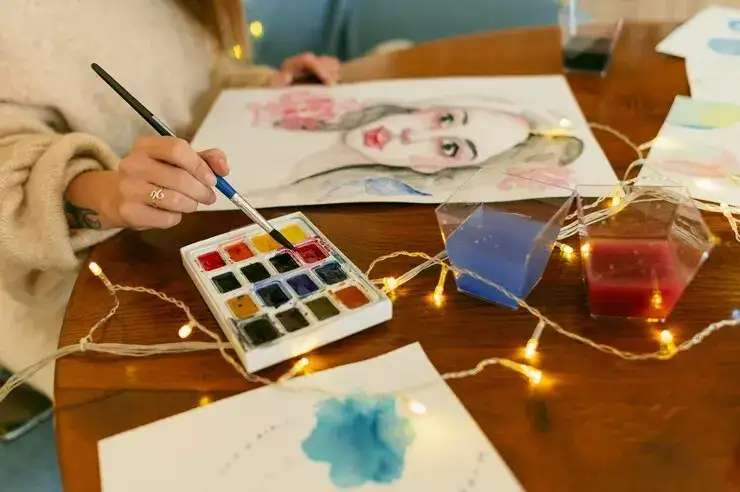
Why Watercolour Painting is So Relaxing
Watercolour painting is known for its soft, fluid nature, which makes it a perfect medium for relaxation. The gentle blending of colours, the unpredictable movement of water, and the freedom to experiment create a meditative experience. Unlike other forms of art that may require precise detail and control, watercolours encourage you to go with the flow, making it an ideal stress-free activity.
Additionally, the process of painting engages both the mind and body, helping to improve focus and reduce anxiety. Studies have shown that engaging in creative activities like painting can lower cortisol levels, the hormone associated with stress.
Getting Started with Watercolour Painting
Starting with watercolour painting doesn’t require a lot of supplies. Here’s what you need to begin:
Once you have your supplies, begin by experimenting with simple techniques like wet-on-wet blending, dry brush strokes, and layering washes. Don’t worry about creating a perfect masterpiece—focus on enjoying the process and allowing your creativity to flow naturally.
The Therapeutic Benefits of Watercolour Painting
1. Encourages Mindfulness
Watercolour painting requires concentration and presence, making it an excellent way to practice mindfulness. Focusing on brushstrokes, colours, and patterns helps quiet the mind and promotes relaxation.
Why Watercolour Painting is So Relaxing
Watercolour painting is known for its soft, fluid nature, which makes it a perfect medium for relaxation. The gentle blending of colours, the unpredictable movement of water, and the freedom to experiment create a meditative experience. Unlike other forms of art that may require precise detail and control, watercolours encourage you to go with the flow, making it an ideal stress-free activity.
Additionally, the process of painting engages both the mind and body, helping to improve focus and reduce anxiety. Studies have shown that engaging in creative activities like painting can lower cortisol levels, the hormone associated with stress.
Getting Started with Watercolour Painting
Starting with watercolour painting doesn’t require a lot of supplies. Here’s what you need to begin:
- Watercolour paints – Available in tubes or pans, start with a basic set of colours.
- Watercolour paper – This is essential as regular paper won’t hold water properly.
- Brushes – A few good quality round and flat brushes will work for most techniques.
- Water container & palette – For mixing and cleaning brushes.
Once you have your supplies, begin by experimenting with simple techniques like wet-on-wet blending, dry brush strokes, and layering washes. Don’t worry about creating a perfect masterpiece—focus on enjoying the process and allowing your creativity to flow naturally.
The Therapeutic Benefits of Watercolour Painting
1. Encourages Mindfulness
Watercolour painting requires concentration and presence, making it an excellent way to practice mindfulness. Focusing on brushstrokes, colours, and patterns helps quiet the mind and promotes relaxation.
Next Story