
Why More People Are Choosing Slow Living in a Fast-Paced World

For years, success was often measured by how busy a person appeared to be. Packed schedules, constant notifications and long working hours became symbols of productivity. Today, however, a growing number of people are questioning whether living at full speed is truly the key to a fulfilling life. This shift has given rise to slow living , a lifestyle that encourages people to be more intentional with their time rather than constantly rushing from one task to another. Slow living is not about doing everything slowly or avoiding ambition. Instead, it is about focusing on what genuinely matters, reducing unnecessary distractions and creating space for healthier, more meaningful everyday experiences.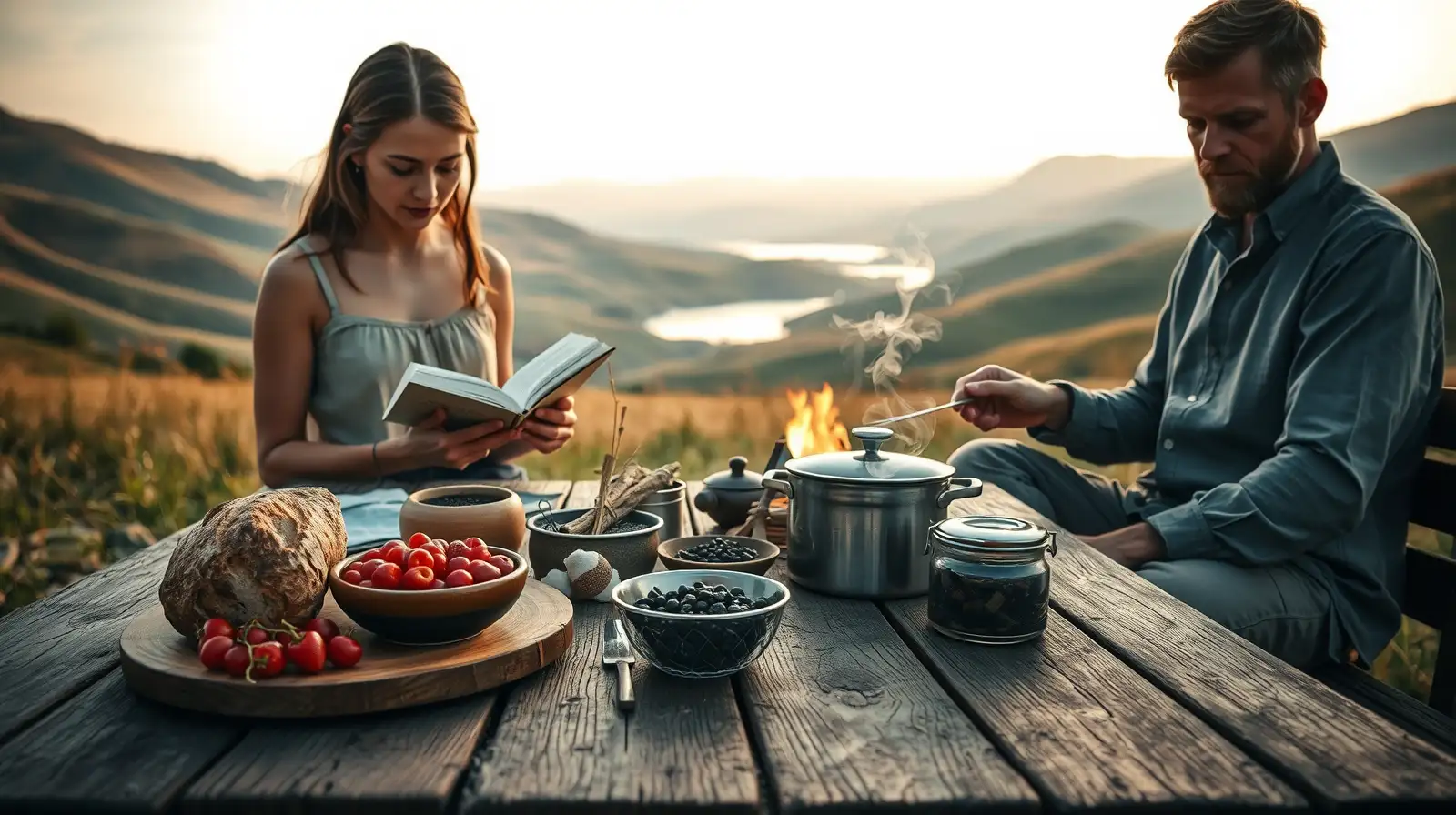
The idea encourages people to simplify their routines, prioritise quality over quantity and spend more time on activities that bring genuine satisfaction. Whether it is preparing a home-cooked meal, reading a book without interruptions or taking a walk without checking a phone, slow living values presence over constant busyness.
The movement has its roots in the Slow Food movement, which began in Italy during the 1980s as a response to the growing popularity of fast food. Over time, its philosophy expanded into broader aspects of everyday life, influencing how people work, travel and spend their leisure time.
As a result, more individuals are embracing slow living to regain a sense of balance. Flexible working arrangements and remote work have also encouraged many people to rethink how they organise their days.
One lesser-known trend is the growing popularity of "micro-pauses". Instead of waiting for holidays to relax, people are taking short breaks throughout the day, such as enjoying a cup of tea without distractions or spending a few minutes outdoors. These brief moments can help reduce mental fatigue and improve focus.
Financial habits can also change. Rather than buying items impulsively, many followers of slow living choose durable, high-quality products that last longer. This approach not only reduces waste but can also save money over time.
Relationships often benefit as well. Giving full attention during conversations, sharing meals without digital interruptions and making time for hobbies can strengthen personal connections that are easily overlooked in busy routines.
Simple habits such as walking instead of driving short distances, growing herbs at home or shopping at local markets reflect the values of slow living without requiring dramatic lifestyle changes.
These choices demonstrate that living more intentionally can benefit both individuals and the wider community.
Rather than encouraging people to do less, it encourages them to do what matters most with greater care and attention. This mindset resonates with individuals seeking balance in an increasingly fast-moving world.
What Slow Living Really Means
Despite its name, slow living is not about laziness or giving up modern conveniences. It is about making conscious choices instead of living on autopilot.The idea encourages people to simplify their routines, prioritise quality over quantity and spend more time on activities that bring genuine satisfaction. Whether it is preparing a home-cooked meal, reading a book without interruptions or taking a walk without checking a phone, slow living values presence over constant busyness.
The movement has its roots in the Slow Food movement, which began in Italy during the 1980s as a response to the growing popularity of fast food. Over time, its philosophy expanded into broader aspects of everyday life, influencing how people work, travel and spend their leisure time.
Why the Movement Is Growing
Modern technology has made life more connected than ever, but it has also created a culture of constant availability. Emails arrive around the clock, social media competes for attention and many people feel pressure to remain productive every waking hour.As a result, more individuals are embracing slow living to regain a sense of balance. Flexible working arrangements and remote work have also encouraged many people to rethink how they organise their days.
One lesser-known trend is the growing popularity of "micro-pauses". Instead of waiting for holidays to relax, people are taking short breaks throughout the day, such as enjoying a cup of tea without distractions or spending a few minutes outdoors. These brief moments can help reduce mental fatigue and improve focus.
The Benefits of a More Intentional Lifestyle
Choosing slow living often leads to healthier daily habits. People may cook more meals from scratch, spend more time with family, sleep better and become more mindful of how they use their time.Financial habits can also change. Rather than buying items impulsively, many followers of slow living choose durable, high-quality products that last longer. This approach not only reduces waste but can also save money over time.
You may also like
- Nita Ambani receives honour in the US for contributions to healthcare, education and social impact
- How Birmingham got its name: The 1,000-year-old story behind England's second city
- 5 Sun-loving houseplants that are perfect for hot summer days
- Our stories belong in school textbooks, not just Pride Month conversations: Manvendra Singh Gohil
- India needs formal LGBTQ+ crisis infrastructure: Ankit Bhuptani
Relationships often benefit as well. Giving full attention during conversations, sharing meals without digital interruptions and making time for hobbies can strengthen personal connections that are easily overlooked in busy routines.
Slow Living and the Environment
An interesting aspect of slow living is its connection with sustainability . By consuming less, repairing items instead of replacing them and supporting local businesses, many people naturally reduce their environmental impact.Simple habits such as walking instead of driving short distances, growing herbs at home or shopping at local markets reflect the values of slow living without requiring dramatic lifestyle changes.
These choices demonstrate that living more intentionally can benefit both individuals and the wider community.
Why Slow Living Matters Today
In an age where speed often dominates every aspect of life, slow living offers a different perspective. It reminds people that productivity should not come at the expense of health, relationships or personal fulfilment.Rather than encouraging people to do less, it encourages them to do what matters most with greater care and attention. This mindset resonates with individuals seeking balance in an increasingly fast-moving world.






More from our partners


Loving Newspoint? Download the app now
