
How Indoor Plants Can Improve Everyday Wellbeing Naturally

Indoor plants have become a familiar sight in homes, offices and cafés, but their appeal extends far beyond aesthetics. A simple potted plant on a windowsill or a leafy corner in the living room can subtly transform the atmosphere of a space. As urban lifestyles become increasingly busy and people spend more time indoors, many are looking for simple ways to reconnect with nature. Indoor plants offer exactly that. They add colour, soften modern interiors and may even contribute to emotional wellbeing . While they are not a cure for stress or poor health, growing evidence suggests that living alongside greenery can make everyday environments feel calmer, more comfortable and more enjoyable.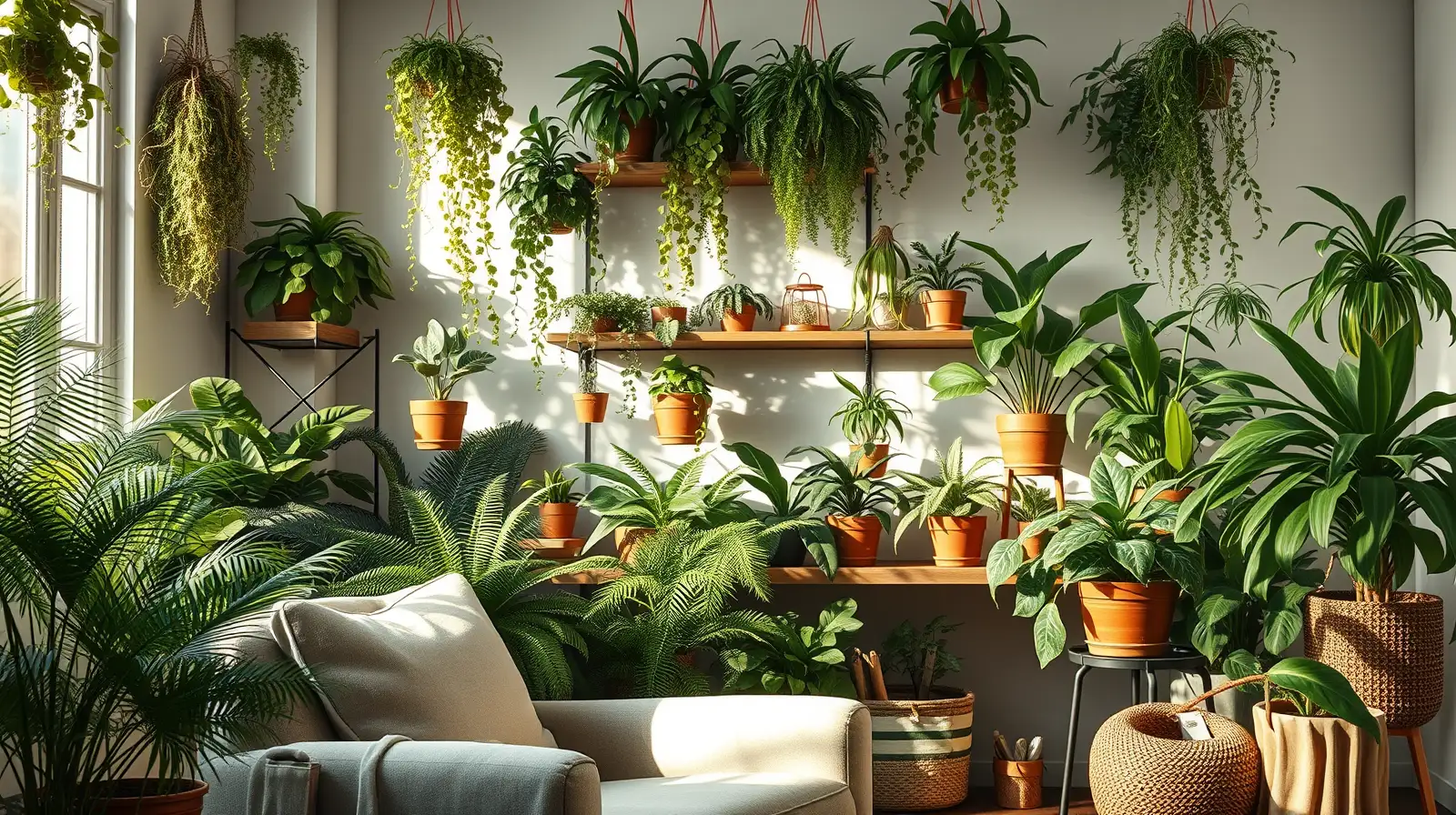
Indoor plants help bridge this gap by introducing natural elements into enclosed spaces. Their changing leaves, steady growth and seasonal cycles provide gentle reminders of nature, even in the middle of a busy city.
Researchers have found that simply being around greenery can help people feel more relaxed. Although the effects vary from person to person, many individuals report that rooms filled with plants feel warmer, more welcoming and less clinical than those without them.
Some workplaces have also embraced indoor planting to improve the overall office environment. Employees often describe plant-filled spaces as more pleasant places to work, particularly when natural light is combined with greenery.
A lesser-known fact is that plants can subtly influence acoustics. Their leaves and stems help absorb and scatter sound, reducing echoes in larger rooms. While the effect is modest, it contributes to a quieter and more comfortable indoor setting.
Watching a new leaf unfurl or a flowering plant bloom after weeks of care provides a small but rewarding sense of achievement. These simple routines can offer a welcome break from constant notifications, emails and screen time.
Many people also discover that gardening indoors develops mindfulness. Spending a few minutes checking soil moisture, trimming leaves or repotting a plant creates an opportunity to slow down and focus on a single task.
For brighter spaces, Peace Lilies, Rubber Plants and Areca Palms can add striking greenery while remaining relatively easy to care for.
The key is choosing plants that match the environment rather than selecting varieties that require constant attention. Healthy plants are far more enjoyable than struggling ones.
Beyond decoration, they encourage people to reconnect with nature, establish calming routines and appreciate slower moments in daily life. Combined with good lighting, ventilation and thoughtful interior design, plants contribute to homes that feel healthier and more balanced.
Bringing Nature Indoors
Humans have long shared a close relationship with the natural world. However, modern life often keeps people inside offices, apartments and shopping centres for much of the day.Indoor plants help bridge this gap by introducing natural elements into enclosed spaces. Their changing leaves, steady growth and seasonal cycles provide gentle reminders of nature, even in the middle of a busy city.
Researchers have found that simply being around greenery can help people feel more relaxed. Although the effects vary from person to person, many individuals report that rooms filled with plants feel warmer, more welcoming and less clinical than those without them.
A Calmer Home Environment
One of the greatest benefits of indoor plants is the atmosphere they help create. Greenery has a unique ability to soften hard surfaces, brighten dull corners and make living spaces feel more inviting.Some workplaces have also embraced indoor planting to improve the overall office environment. Employees often describe plant-filled spaces as more pleasant places to work, particularly when natural light is combined with greenery.
A lesser-known fact is that plants can subtly influence acoustics. Their leaves and stems help absorb and scatter sound, reducing echoes in larger rooms. While the effect is modest, it contributes to a quieter and more comfortable indoor setting.
Caring for Plants Can Become a Healthy Routine
Looking after houseplants involves more than occasional watering. It encourages observation, patience and consistency.Watching a new leaf unfurl or a flowering plant bloom after weeks of care provides a small but rewarding sense of achievement. These simple routines can offer a welcome break from constant notifications, emails and screen time.
You may also like
- Nita Ambani receives honour in the US for contributions to healthcare, education and social impact
- How Birmingham got its name: The 1,000-year-old story behind England's second city
- 5 Sun-loving houseplants that are perfect for hot summer days
- Our stories belong in school textbooks, not just Pride Month conversations: Manvendra Singh Gohil
- India needs formal LGBTQ+ crisis infrastructure: Ankit Bhuptani
Many people also discover that gardening indoors develops mindfulness. Spending a few minutes checking soil moisture, trimming leaves or repotting a plant creates an opportunity to slow down and focus on a single task.
Choosing the Right Plants for Your Space
Selecting suitable indoor plants depends on available light, temperature and lifestyle. Low-maintenance options such as Snake Plants, ZZ Plants and Spider Plants are popular because they adapt well to typical household conditions.For brighter spaces, Peace Lilies, Rubber Plants and Areca Palms can add striking greenery while remaining relatively easy to care for.
The key is choosing plants that match the environment rather than selecting varieties that require constant attention. Healthy plants are far more enjoyable than struggling ones.
Why Indoor Plants Matter Today
As more people work from home or spend long hours indoors, creating comfortable living environments has become increasingly important. Indoor plants offer a simple, affordable way to improve the look and feel of everyday spaces without major renovations.Beyond decoration, they encourage people to reconnect with nature, establish calming routines and appreciate slower moments in daily life. Combined with good lighting, ventilation and thoughtful interior design, plants contribute to homes that feel healthier and more balanced.






More from our partners


Loving Newspoint? Download the app now
