
Is Your Glass Bottle Safe? Signs It Could Break with Hot Liquids

Glass feels solid and permanent, but pour boiling water into the wrong bottle and it can crack in your hand within seconds. The difference between a bottle that holds up and one that fails is mostly in how it was made, and a few visible clues tell you which kind you are holding.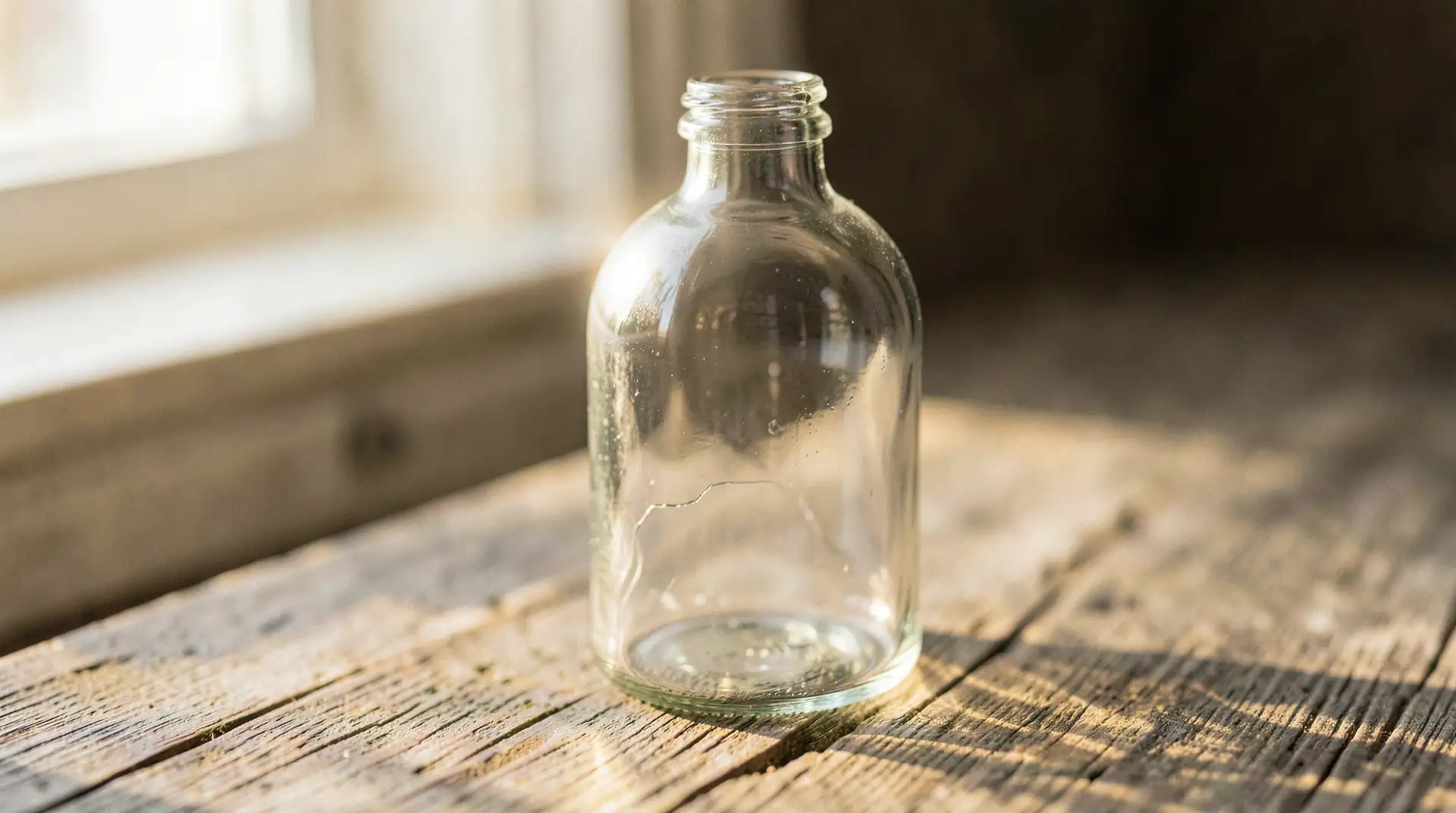
Borosilicate glass, used in laboratory glassware and good-quality kitchen containers, expands far less and handles the same temperature swing without cracking. The material is the first thing to check, and it is usually written on the bottom of the bottle.
Visible bubbles or wavy distortions inside the glass wall are signs of lower-grade manufacturing. Any existing chip, even a tiny one near the base or rim, is a stress point. Heat does not create the crack so much as it finds the crack that was already there. A chipped bottle should not carry hot liquid under any circumstance.
The recycling number inside the triangle matters less for heat resistance than the material declaration, but number 7 with the letters PC means polycarbonate mixed with glass composite, which behaves differently from pure glass. If the base carries no markings at all, treat the bottle as decorative only.
Pouring hot liquid into a bottle sitting on a metal surface also concentrates cold at the base while the walls heat up, creating uneven stress. A wooden board or a folded cloth underneath gives the base some insulation while you pour.
Impact stress can create micro-fractures that only show up when thermal stress is added. A bottle that fogs or clouds on the inside has often developed a surface layer of tiny scratches, usually from abrasive cleaning, and those scratches are stress points. Clouding on its own does not mean the bottle is dangerous, but paired with heat it is a reason to replace rather than risk it.
Glass does not warn you before it fails. The bottle that held cold water every day for a year is not necessarily safe for tea the next morning, the difference is in the material, the condition, and how the heat is applied. Check the base, look at the walls, and treat any chip or crack as the end of that bottle's useful life.
What Makes Glass Break Under Heat
When hot liquid meets cold glass, the inner surface expands faster than the outer surface can follow. That gap in expansion creates tension inside the glass wall. Ordinary soda-lime glass, the kind used for most decorative bottles, cheap water bottles, and repurposed jam jars, has a high coefficient of thermal expansion, meaning it stretches and contracts a lot with temperature change. When the stress builds faster than the glass can absorb it, it fractures.Borosilicate glass, used in laboratory glassware and good-quality kitchen containers, expands far less and handles the same temperature swing without cracking. The material is the first thing to check, and it is usually written on the bottom of the bottle.
Signs the Bottle Is Not Built for Heat
Thin, uniform walls with no visible weight in the base are one sign. Bottles made for hot liquids are noticeably heavier than decorative ones of the same size. Run your finger around the rim, a rough or uneven edge suggests the glass was not tempered or fire-polished, which are finishing steps that reduce surface stress.Visible bubbles or wavy distortions inside the glass wall are signs of lower-grade manufacturing. Any existing chip, even a tiny one near the base or rim, is a stress point. Heat does not create the crack so much as it finds the crack that was already there. A chipped bottle should not carry hot liquid under any circumstance.
You may also like
- 'I'm so brain-fogged and sleep-deprived': Radhika Apte opens up about motherhood, sleepless nights and how raising a child has changed her ability to multitask
- Gold and Silver Prices Surge: Gold Up by ₹3,000 and Silver by ₹6,900 in a Single Leap – Impact of Trump's Setback
- Dark Mehndi Color: Doesn't the henna color stick to your hands? Note these 5 hacks to darken it.
- 8th Pay Commission: One year on—what has happened so far regarding salary, pension, and the fitment factor?
- 8th Pay Commission: 66% of the work completed; anticipation builds for salary hikes—when will a decision on the 'fitment factor' be reached?
What the Bottom of the Bottle Tells You
Flip the bottle and read the base before you fill it. Look for the word borosilicate, the phrase heat-resistant, or a temperature rating. A wavy-lines symbol, three horizontal wavy lines, indicates it is dishwasher-safe, which also implies it can handle moderate heat.The recycling number inside the triangle matters less for heat resistance than the material declaration, but number 7 with the letters PC means polycarbonate mixed with glass composite, which behaves differently from pure glass. If the base carries no markings at all, treat the bottle as decorative only.
How You Pour Matters as Much as the Bottle
Even a good borosilicate bottle can crack if you pour boiling water into it while it is cold from the refrigerator. The thermal shock is too sharp. A simple habit removes most of the risk: pour a small amount of warm water first, swirl it, discard it, then fill with the hot liquid. This brings the glass up gradually rather than hitting it all at once.Pouring hot liquid into a bottle sitting on a metal surface also concentrates cold at the base while the walls heat up, creating uneven stress. A wooden board or a folded cloth underneath gives the base some insulation while you pour.
When to Stop Using a Bottle
A bottle that has already cracked once, even if the crack seems sealed or invisible, has compromised structural integrity. Heat will find it again. The same applies to a bottle that has been dropped, even if no crack is visible to the eye.Impact stress can create micro-fractures that only show up when thermal stress is added. A bottle that fogs or clouds on the inside has often developed a surface layer of tiny scratches, usually from abrasive cleaning, and those scratches are stress points. Clouding on its own does not mean the bottle is dangerous, but paired with heat it is a reason to replace rather than risk it.
Glass does not warn you before it fails. The bottle that held cold water every day for a year is not necessarily safe for tea the next morning, the difference is in the material, the condition, and how the heat is applied. Check the base, look at the walls, and treat any chip or crack as the end of that bottle's useful life.






Loving Newspoint? Download the app now
