
Indian Summer Hacks for Everyday Life: Simple Tricks That Make Hot Days Easier

Indian summers are not just a seasonal change; they reshape daily routines, eating habits and even productivity levels. As temperatures rise sharply across the country, people often look for quick fixes to stay comfortable. However, the most effective Indian summer hacks are not complicated solutions but small lifestyle adjustments that work consistently. From what you eat and drink to how you plan your day, these practical changes can make a noticeable difference. In a country where heatwaves are becoming more frequent, understanding how to adapt everyday habits has become essential for both comfort and well-being.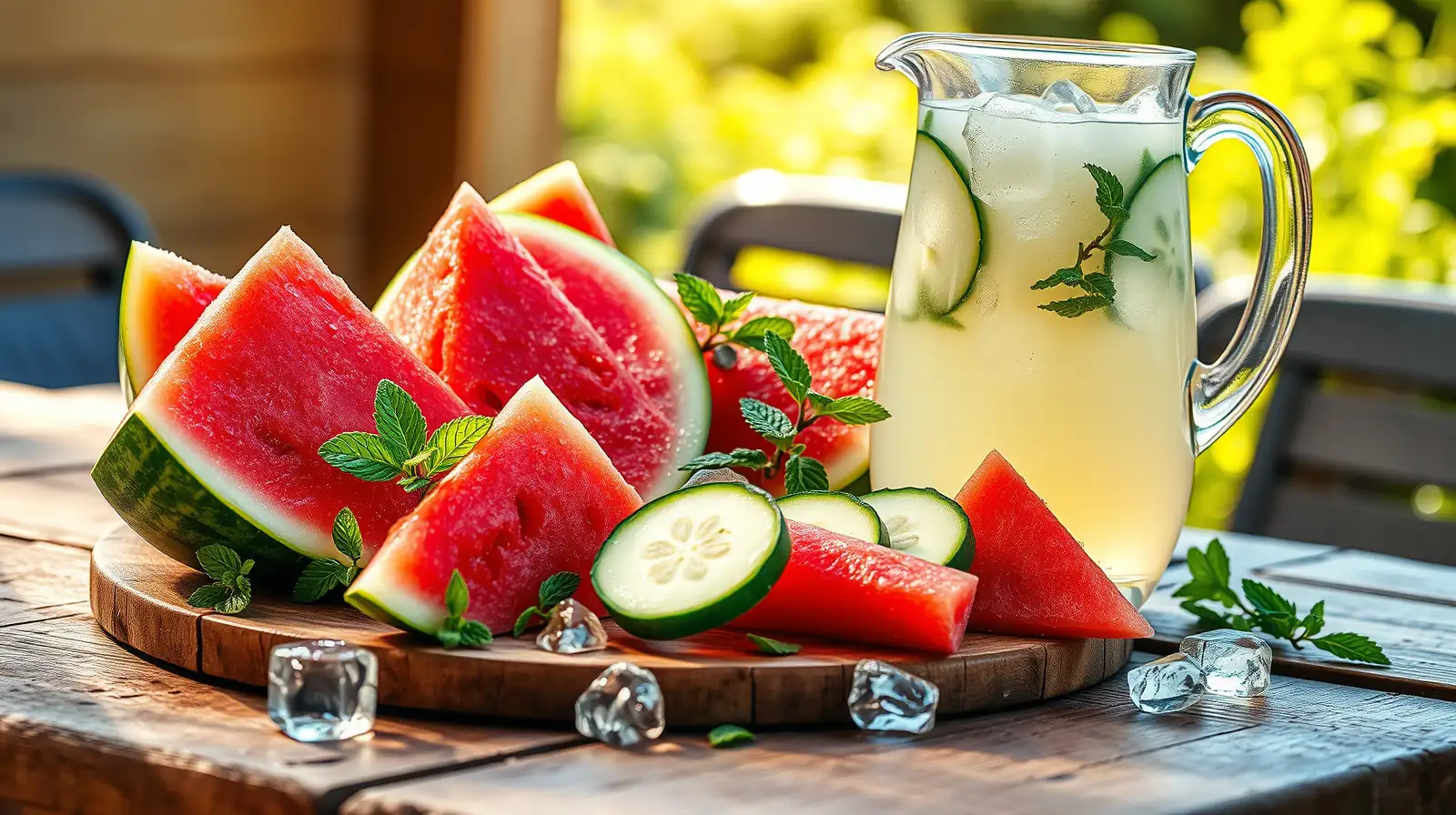
Outdoor tasks are best completed before 10 am or after sunset when temperatures are lower. This simple shift reduces heat exposure and helps maintain energy levels throughout the day.
In cities like Chennai and Ahmedabad, where summers can be particularly intense, many people naturally adopt slower midday routines, often taking rest periods during peak heat hours.
Seasonal fruits like watermelon, muskmelon and cucumber are widely consumed because of their high water content. Traditional drinks such as buttermilk and lassi have been part of Indian diets for centuries, offering both hydration and digestive benefits.
An interesting historical note is that ancient Ayurvedic practices categorised foods based on their cooling and heating effects. This knowledge influenced regional diets long before modern nutrition science confirmed similar principles.
Many people unknowingly become dehydrated even when they consume fluids regularly. This happens because sweating causes loss of essential minerals.
A simple Indian summer hack is adding natural electrolytes through coconut water, lemon water with salt or homemade drinks rather than relying only on packaged beverages.
Carrying a water bottle throughout the day also encourages consistent hydration, especially for those who work outdoors or commute long distances.
Synthetic fabrics often trap heat and moisture, making the body feel hotter. This is why traditional Indian clothing styles have historically favoured breathable materials suitable for tropical climates.
In rural parts of India, head coverings such as cotton scarves or turbans are still commonly used to protect against direct sunlight.
Short breaks, shaded workspaces and reduced screen time during peak heat hours can help maintain focus. Even small adjustments like repositioning work desks away from direct sunlight can make a difference.
Modern workplaces are also recognising the impact of heat on productivity, with improved cooling systems and flexible working hours becoming more common in hotter regions.
Indian summer hacks are not just comfort tricks; they represent practical survival strategies rooted in both tradition and modern lifestyle changes. They help reduce health risks, improve efficiency and make daily life more manageable.
Rethinking Daily Routines During Peak Summer Heat
One of the most effective Indian summer hacks is adjusting daily schedules according to temperature patterns. Traditionally, many Indian households have followed early morning activity routines during summer months.Outdoor tasks are best completed before 10 am or after sunset when temperatures are lower. This simple shift reduces heat exposure and helps maintain energy levels throughout the day.
In cities like Chennai and Ahmedabad, where summers can be particularly intense, many people naturally adopt slower midday routines, often taking rest periods during peak heat hours.
Cooling Foods and Traditional Summer Diets
Diet plays a major role in how the body responds to heat. Indian summer hacks often include foods that naturally cool the body and improve hydration.Seasonal fruits like watermelon, muskmelon and cucumber are widely consumed because of their high water content. Traditional drinks such as buttermilk and lassi have been part of Indian diets for centuries, offering both hydration and digestive benefits.
An interesting historical note is that ancient Ayurvedic practices categorised foods based on their cooling and heating effects. This knowledge influenced regional diets long before modern nutrition science confirmed similar principles.
Staying Hydrated the Smart Way
Hydration is often misunderstood during summer. It is not just about drinking water but maintaining electrolyte balance.Many people unknowingly become dehydrated even when they consume fluids regularly. This happens because sweating causes loss of essential minerals.
You may also like
- Proverb of the day: "If you want happiness for an hour, take a nap. If you want happiness for a lifetime…" - the simple secret to lasting happiness
- Parenting Tips 2026: Say goodbye to holiday homework stress with these 5 methods..
- Iron-Rich Foods: Eat these vegetarian foods to overcome iron deficiency in the body..
- Health Tips: Why shouldn't you eat tomatoes if you have kidney stones? Find out the real reason behind this..
- "My daughter will lose...": Father cries outside NEET re-exam centre after daughter misses the gate by 2 minutes; what happens next is a parenting lesson
A simple Indian summer hack is adding natural electrolytes through coconut water, lemon water with salt or homemade drinks rather than relying only on packaged beverages.
Carrying a water bottle throughout the day also encourages consistent hydration, especially for those who work outdoors or commute long distances.
Clothing Choices That Make a Big Difference
What people wear during summer significantly affects comfort levels. Light-coloured, loose-fitting cotton clothing allows better air circulation and reduces heat absorption.Synthetic fabrics often trap heat and moisture, making the body feel hotter. This is why traditional Indian clothing styles have historically favoured breathable materials suitable for tropical climates.
In rural parts of India, head coverings such as cotton scarves or turbans are still commonly used to protect against direct sunlight.
Managing Energy and Productivity in Heat
High temperatures often lead to fatigue and reduced concentration. Instead of pushing through exhaustion, adapting work patterns can improve productivity.Short breaks, shaded workspaces and reduced screen time during peak heat hours can help maintain focus. Even small adjustments like repositioning work desks away from direct sunlight can make a difference.
Modern workplaces are also recognising the impact of heat on productivity, with improved cooling systems and flexible working hours becoming more common in hotter regions.
Why Everyday Summer Adaptation Matters
Climate patterns are changing, and summers are becoming longer and more intense in many parts of India. This makes everyday adaptation more important than ever.Indian summer hacks are not just comfort tricks; they represent practical survival strategies rooted in both tradition and modern lifestyle changes. They help reduce health risks, improve efficiency and make daily life more manageable.






More from our partners


Loving Newspoint? Download the app now
