
Coupe Manners That Make a Long Train Ride Easier for Everyone

Six berths, one window, and nowhere to go for the next twelve hours. A shared coupe on an Indian long-distance train is its own small society, and like any society, it runs better when the people in it follow a few unspoken agreements.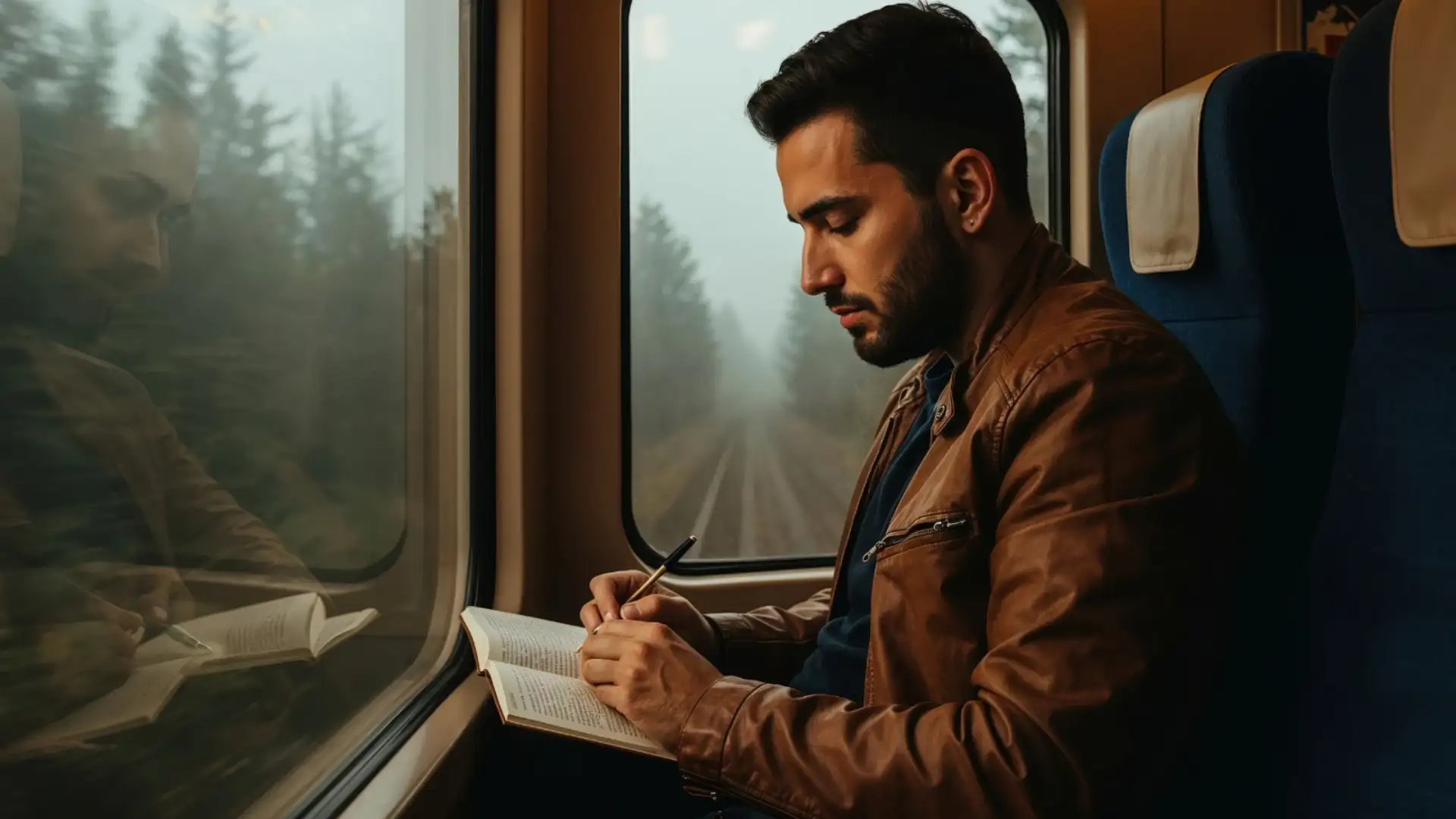
Most of the friction that makes a coupe feel unbearable, the lights on at midnight, the loud calls, the luggage blocking the aisle, is not intentional. It comes from people doing what feels natural to them without considering that five other people are doing the same thing in the same four square metres. A little awareness is the whole fix.
The rule is simple: bags go under the lower berth. Most large suitcases fit flat beneath the seat. A smaller bag can go on the overhead rack above the side berths. What should not happen is a bag sitting in the floor space between the berths where the TC walks and where middle-berth passengers need to stand to climb up. Clear that space when you arrive and it stays clear for the whole journey.
The working compromise that most experienced travellers follow: middle berths stay folded until around nine or ten at night, or until the lower-berth passenger is ready to sleep. If you have a middle berth and you want to lie down earlier, ask. A quiet word almost always gets a yes. What does not get a yes is pulling the berth down without a word while the person below is still sitting with their dinner.
Phone calls in a coupe at night are the single most common source of real resentment. A call taken in the coupe after ten, at full conversational volume, wakes everyone. The corridor between coupes exists precisely for this. Step out, speak at a normal volume, come back. It takes thirty seconds more and costs nothing.
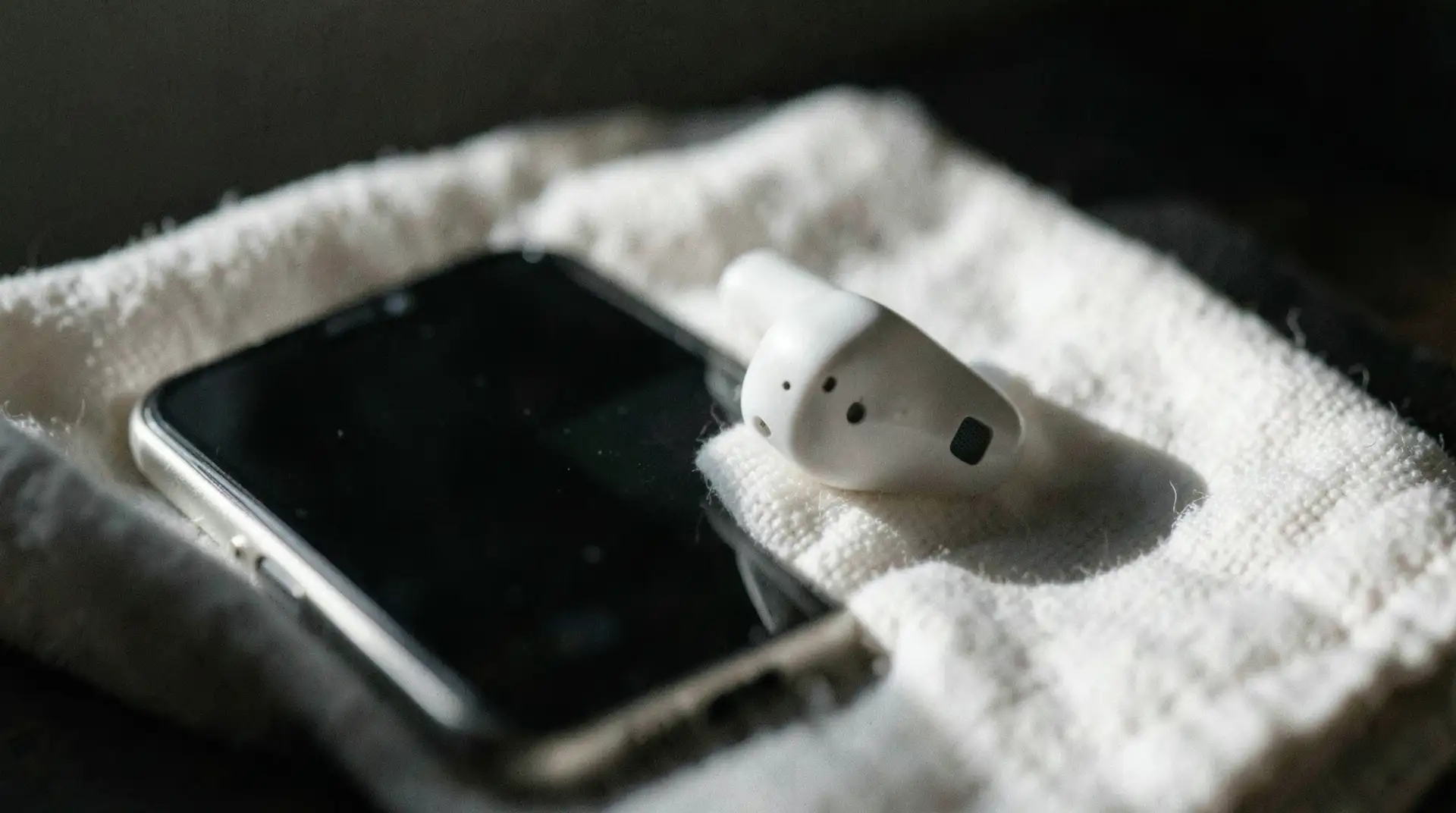
Earphones are not optional on a long train journey. Whatever you are watching or listening to, the person in the next berth should not be able to hear it. This applies to video calls as well, the other person's voice coming through your speaker at full volume is experienced as a second uninvited passenger.
The dustbin at the end of the carriage is there for a reason. A coupe that smells of old packaging for six hours is a coupe where nobody slept well. Carry a small bag for your own waste and dispose of it at the next station or at the carriage bin, whichever comes first.
These are small negotiations, and they almost always resolve in thirty seconds when approached directly. What does not resolve is one person adjusting the window or vent repeatedly without saying anything, while the other person adjusts it back. Ask once, agree, and leave it.
A coupe that works is not one where everyone got exactly what they wanted. It is one where everyone felt considered. That is a lighter bar to clear than it sounds, and it is entirely within reach of six strangers on a train.
Most of the friction that makes a coupe feel unbearable, the lights on at midnight, the loud calls, the luggage blocking the aisle, is not intentional. It comes from people doing what feels natural to them without considering that five other people are doing the same thing in the same four square metres. A little awareness is the whole fix.
Luggage Goes Under the Berth, Not in the Aisle
The moment you board, the instinct is to push your bag into whatever space is closest. The aisle and the door area feel open, so bags land there. Within an hour, every passenger has done the same thing and nobody can move without stepping over something.The rule is simple: bags go under the lower berth. Most large suitcases fit flat beneath the seat. A smaller bag can go on the overhead rack above the side berths. What should not happen is a bag sitting in the floor space between the berths where the TC walks and where middle-berth passengers need to stand to climb up. Clear that space when you arrive and it stays clear for the whole journey.
The Middle and Upper Berths Come Down After Ten
This is the one coupe convention that causes the most conflict, and it is entirely avoidable. Lower-berth passengers use their seat as a sitting space during the day. Middle and upper berth passengers have no seat, their berth is their only space. But if they pull their berth down at six in the evening, the lower-berth passenger loses their seat for the rest of the day.The working compromise that most experienced travellers follow: middle berths stay folded until around nine or ten at night, or until the lower-berth passenger is ready to sleep. If you have a middle berth and you want to lie down earlier, ask. A quiet word almost always gets a yes. What does not get a yes is pulling the berth down without a word while the person below is still sitting with their dinner.
Lights, Sounds, and the Shared Night
Upper and middle berths go dark earlier because the overhead light hits the lower berth directly. Once most of the coupe has settled for the night, the overhead light goes off. A phone torch or a reading light clipped to a book is a reasonable substitute for anyone still awake.Phone calls in a coupe at night are the single most common source of real resentment. A call taken in the coupe after ten, at full conversational volume, wakes everyone. The corridor between coupes exists precisely for this. Step out, speak at a normal volume, come back. It takes thirty seconds more and costs nothing.
Earphones are not optional on a long train journey. Whatever you are watching or listening to, the person in the next berth should not be able to hear it. This applies to video calls as well, the other person's voice coming through your speaker at full volume is experienced as a second uninvited passenger.
Food, Smells, and the Shared Air
Train food is one of the genuine pleasures of a long journey, and nobody expects a coupe to smell like nothing. What makes the difference is timing and containment. Strong-smelling food eaten at a meal time, with the packaging disposed of immediately, is fine. Strong-smelling food unwrapped and left sitting open for an hour while you sleep is a different matter entirely.The dustbin at the end of the carriage is there for a reason. A coupe that smells of old packaging for six hours is a coupe where nobody slept well. Carry a small bag for your own waste and dispose of it at the next station or at the carriage bin, whichever comes first.
The Window and the Temperature
The window seat belongs to whoever has the lower berth beside it, but the window itself belongs to the coupe. If the person at the window wants it open and the person opposite is cold, that is a conversation, not a unilateral decision. The same goes for the fan and the AC vent where there is one.These are small negotiations, and they almost always resolve in thirty seconds when approached directly. What does not resolve is one person adjusting the window or vent repeatedly without saying anything, while the other person adjusts it back. Ask once, agree, and leave it.
A coupe that works is not one where everyone got exactly what they wanted. It is one where everyone felt considered. That is a lighter bar to clear than it sounds, and it is entirely within reach of six strangers on a train.
Next Story