
How to Keep Indoor Plants Healthy During the Monsoon

The monsoon season brings welcome relief from the summer heat, but the extra moisture and reduced sunlight can create unexpected challenges for indoor plants. While many plants enjoy the increased humidity, excessive watering, poor air circulation, and fungal growth can quickly affect their health. With a few simple care practices, you can help your indoor greenery flourish throughout the rainy season. Here are the essential monsoon care tips every plant lover should follow.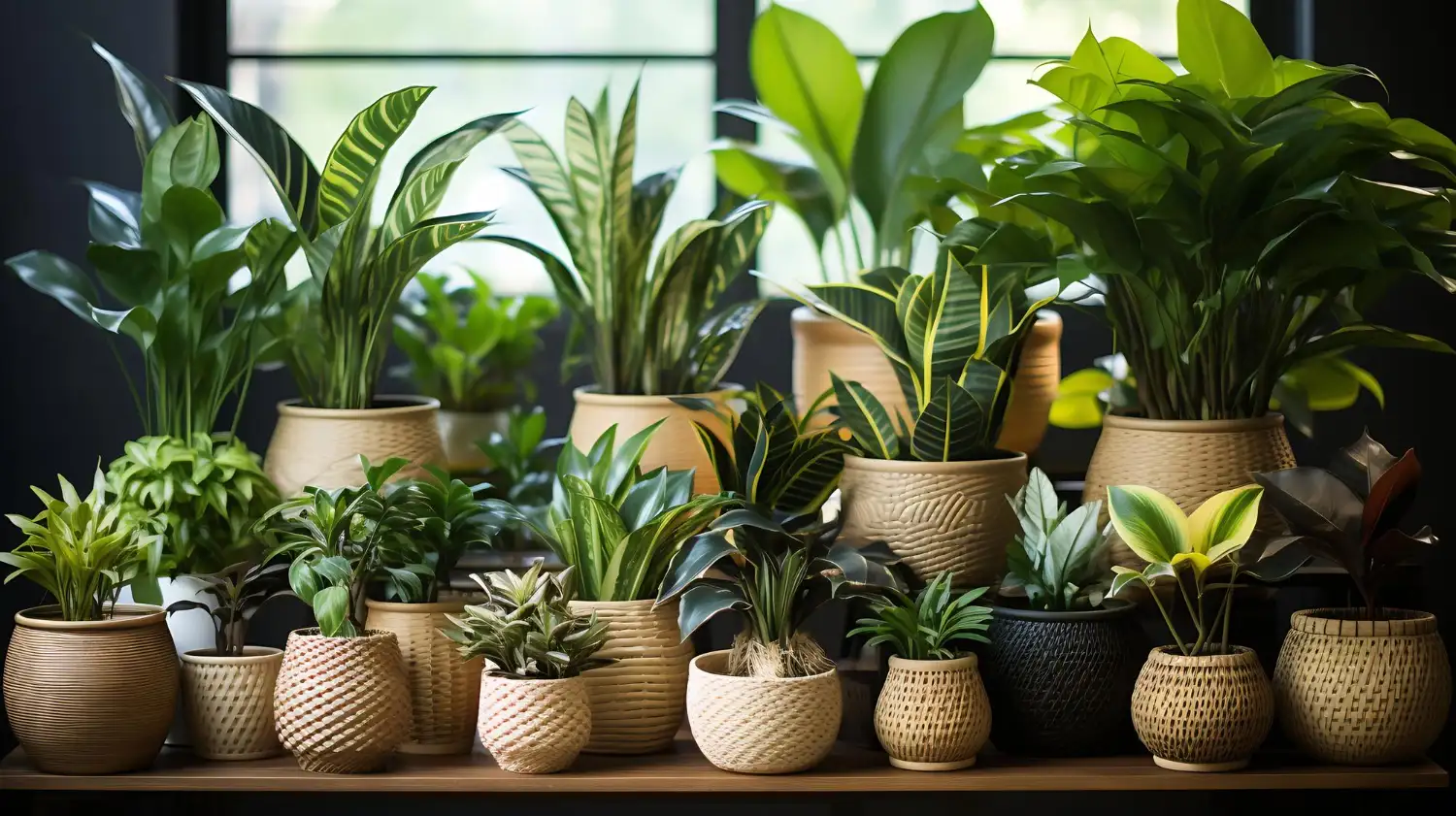
Avoid Overwatering
One of the biggest mistakes during the monsoon is watering plants too frequently. Since the weather is cooler and the air is more humid, the soil stays moist for longer. Always check the top inch of the soil before watering. If it still feels damp, wait another day or two to prevent root rot.
Ensure Proper Drainage
Good drainage becomes even more important during the rainy season. Make sure your pots have drainage holes so excess water can escape easily. Empty saucers beneath pots after watering to prevent water from collecting around the roots, which can lead to fungal diseases.
Give Plants Enough Light
Cloudy skies often reduce the amount of natural sunlight reaching indoor spaces. Move your plants closer to bright windows where they can receive indirect light. Rotate pots every week so all sides of the plant receive equal exposure, encouraging balanced growth.
Improve Air Circulation
Stagnant, humid air creates the perfect environment for mould and fungal infections. Keep windows open whenever possible to allow fresh air to circulate. If ventilation is poor, use a fan occasionally to maintain airflow around your indoor plants.
Watch Out for Fungal Diseases
High humidity can encourage fungal growth on leaves and stems. Look for signs such as yellowing leaves, black spots or white powdery patches. Remove affected leaves promptly and avoid splashing water on the foliage while watering.
Keep Leaves Clean
Dust and moisture can build up on leaves during the monsoon, affecting photosynthesis. Wipe larger leaves gently with a soft, damp cloth to keep them clean. Healthy, clean leaves also make it easier to spot early signs of pests or disease.
Check Regularly for Pests
Although some pests become less active during the rainy season, others such as fungus gnats, mealybugs and aphids may still appear. Inspect both sides of the leaves and the soil regularly. If pests are spotted, isolate the affected plant and treat it promptly using suitable plant-safe methods.
Reduce Fertiliser Use
Many indoor plants experience slower growth during prolonged cloudy weather. Feeding them heavily may do more harm than good. Reduce the amount or frequency of fertiliser unless the plant is actively producing new leaves. Always follow the recommended dosage for your chosen plant feed.
Prune Dead or Yellow Leaves
Remove damaged, yellow or decaying leaves as soon as you notice them. Pruning improves airflow around the plant, reduces the risk of disease spreading, and encourages healthier new growth.
Choose the Right Spot
Keep indoor plants away from places where rainwater may splash onto them through open windows. At the same time, avoid placing them near cold drafts or air conditioners. A bright, well-ventilated location with stable temperatures is ideal during the monsoon.
Indoor plants can thrive during the monsoon with just a little extra attention. Water wisely, provide adequate light and airflow, monitor for pests and fungal problems, and maintain good drainage. These simple seasonal care tips will help your favourite houseplants stay lush, vibrant and healthy throughout the rainy months, allowing you to enjoy a refreshing indoor garden all season long.
Avoid Overwatering
One of the biggest mistakes during the monsoon is watering plants too frequently. Since the weather is cooler and the air is more humid, the soil stays moist for longer. Always check the top inch of the soil before watering. If it still feels damp, wait another day or two to prevent root rot. Ensure Proper Drainage
Good drainage becomes even more important during the rainy season. Make sure your pots have drainage holes so excess water can escape easily. Empty saucers beneath pots after watering to prevent water from collecting around the roots, which can lead to fungal diseases.Give Plants Enough Light
Cloudy skies often reduce the amount of natural sunlight reaching indoor spaces. Move your plants closer to bright windows where they can receive indirect light. Rotate pots every week so all sides of the plant receive equal exposure, encouraging balanced growth. Improve Air Circulation
Stagnant, humid air creates the perfect environment for mould and fungal infections. Keep windows open whenever possible to allow fresh air to circulate. If ventilation is poor, use a fan occasionally to maintain airflow around your indoor plants.
You may also like
- If someone lost interest after you liked them back, psychology says the reason may have more to do with them than you
- World's oldest scientifically dated banyan tree is in Bihar: How travellers can visit this remarkable 700-year-old living landmark
- DA: Good news for government employees; Dearness Allowance may increase by 3% starting July..
- Why Does My Baby Cry Before Pooping? Understanding Infant Dyschezia
- 7 Powerful Kalashtami Rituals for Protection and Peace
Watch Out for Fungal Diseases
High humidity can encourage fungal growth on leaves and stems. Look for signs such as yellowing leaves, black spots or white powdery patches. Remove affected leaves promptly and avoid splashing water on the foliage while watering. Keep Leaves Clean
Dust and moisture can build up on leaves during the monsoon, affecting photosynthesis. Wipe larger leaves gently with a soft, damp cloth to keep them clean. Healthy, clean leaves also make it easier to spot early signs of pests or disease. Check Regularly for Pests
Although some pests become less active during the rainy season, others such as fungus gnats, mealybugs and aphids may still appear. Inspect both sides of the leaves and the soil regularly. If pests are spotted, isolate the affected plant and treat it promptly using suitable plant-safe methods. Reduce Fertiliser Use
Many indoor plants experience slower growth during prolonged cloudy weather. Feeding them heavily may do more harm than good. Reduce the amount or frequency of fertiliser unless the plant is actively producing new leaves. Always follow the recommended dosage for your chosen plant feed.Prune Dead or Yellow Leaves
Remove damaged, yellow or decaying leaves as soon as you notice them. Pruning improves airflow around the plant, reduces the risk of disease spreading, and encourages healthier new growth. Choose the Right Spot
Keep indoor plants away from places where rainwater may splash onto them through open windows. At the same time, avoid placing them near cold drafts or air conditioners. A bright, well-ventilated location with stable temperatures is ideal during the monsoon. Indoor plants can thrive during the monsoon with just a little extra attention. Water wisely, provide adequate light and airflow, monitor for pests and fungal problems, and maintain good drainage. These simple seasonal care tips will help your favourite houseplants stay lush, vibrant and healthy throughout the rainy months, allowing you to enjoy a refreshing indoor garden all season long.






Loving Newspoint? Download the app now
