
How to Keep Your Luggage Safe on an Overnight Train

The moment you stretch out on a sleeper berth and close your eyes, your bags become the most accessible things in the compartment. Most theft on overnight trains is opportunistic, a quick hand under a berth, a bag lifted from an overhead rack during a station halt.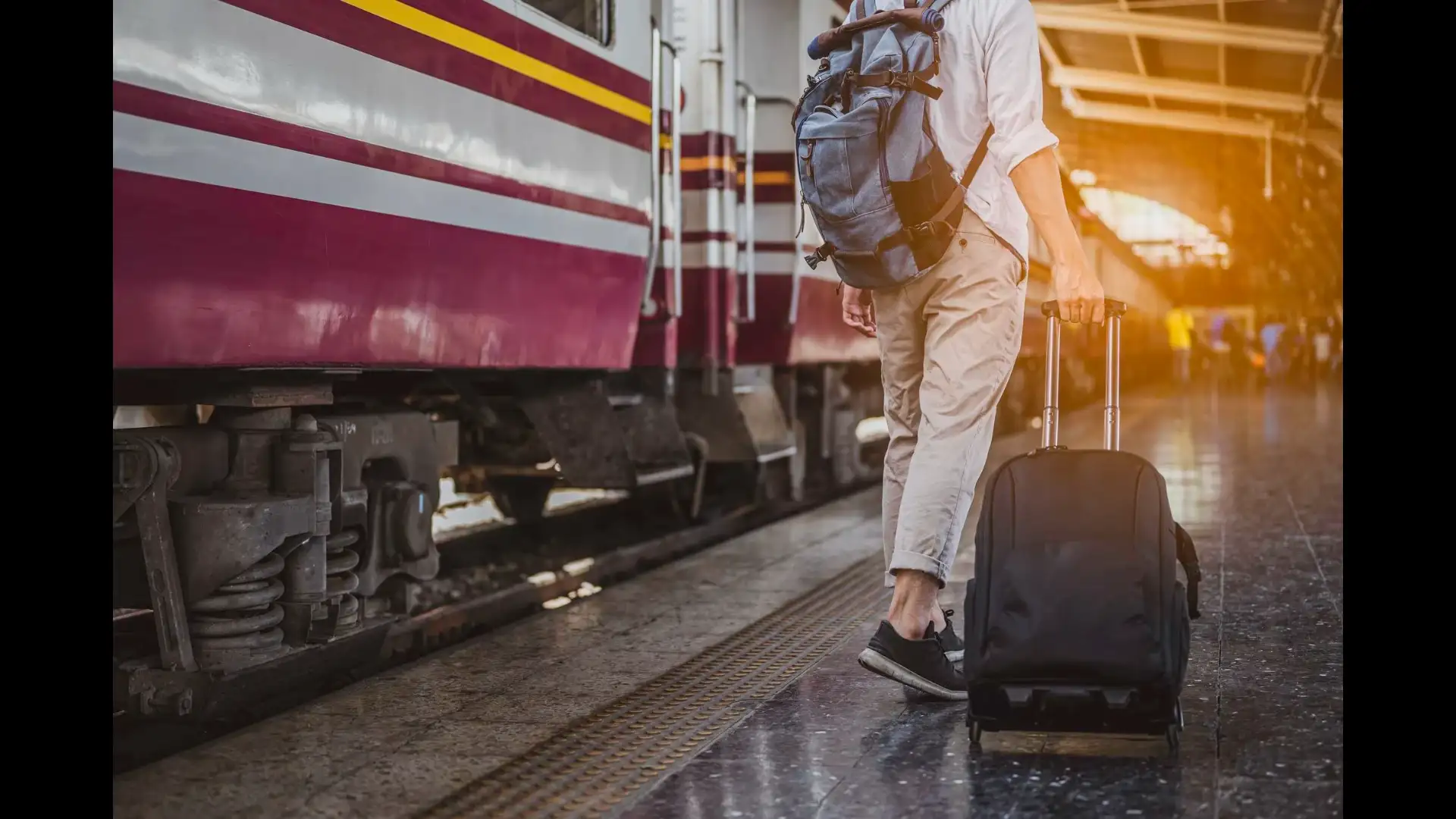
The habits that stop it are not complicated, but they have to be set up before you fall asleep, not after something goes wrong.
If you have a choice, a middle berth on the main section keeps your bag on the rack directly above you, where you feel any movement in your sleep.
The overhead rack is better than the floor for a bag you are not sleeping near. Push it to the wall side, not the aisle edge. A bag sitting flush against the compartment wall needs two deliberate movements to retrieve, enough friction to wake a light sleeper.
It does not make your bag impenetrable. It makes your bag the harder target in the compartment, which is usually enough.
A combination lock is better than a key lock for this use. A key can be lost or fall out of a pocket while you sleep. A four-digit combination you already know takes three seconds to open in the morning and nothing to lose overnight.
A pickpocket cannot reach something between you and the mattress.
Everything else, clothes, toiletries, a charger, a book, can go in the main bag that is chained below. If that bag were taken, you would be inconvenienced. If the pouch were taken, the journey would be over in a worse sense. The separation is the whole logic.
The halt just before your destination is the one most travellers let their guard down on, everything is half-packed, the bag is on the floor, and attention is on the platform. Finish packing before the penultimate station, not during the halt at your stop.
A bright luggage strap or an unusual colour makes your bag instantly identifiable in an overhead rack and slightly harder to lift casually, someone has to be certain it is not theirs. It also makes your bag easy to spot in a crowded platform exit.
Locking the main zipper of a soft bag with even a small padlock raises the effort required to open it. It will not stop a determined person with a blade, but it stops the hand that was hoping for an easy opening.
None of these habits require expensive gear or constant vigilance. Set them up at the start of the journey and the overnight portion takes care of itself. The chain, the pouch, and the packed bag before the last halt are the three that matter most. Everything else is a layer on top.
The habits that stop it are not complicated, but they have to be set up before you fall asleep, not after something goes wrong.
Choose Your Berth and Your Bag Position Carefully
A lower berth is convenient, but it puts your luggage at floor level where anyone walking through can see and reach it. A side lower berth is the most exposed of all, open on one side to the aisle with no neighbour above to notice movement.If you have a choice, a middle berth on the main section keeps your bag on the rack directly above you, where you feel any movement in your sleep.
The overhead rack is better than the floor for a bag you are not sleeping near. Push it to the wall side, not the aisle edge. A bag sitting flush against the compartment wall needs two deliberate movements to retrieve, enough friction to wake a light sleeper.
Chain Your Bag to Something Fixed
Every Indian Railways sleeper and AC coach has a metal loop or a ring welded under the berth frame. It is there specifically for this purpose. A lightweight cable lock, the coiled kind that compresses to the size of a fist, loops through your bag's handle or zipper pull and locks to that ring.It does not make your bag impenetrable. It makes your bag the harder target in the compartment, which is usually enough.
A combination lock is better than a key lock for this use. A key can be lost or fall out of a pocket while you sleep. A four-digit combination you already know takes three seconds to open in the morning and nothing to lose overnight.
What Goes on Your Body and What Goes in the Bag
Separate what you cannot replace from what you can. Documents, a phone, cash beyond what you need for the journey, and a bank card belong in a flat travel pouch worn under clothing or in a small bag that stays with you on the berth.A pickpocket cannot reach something between you and the mattress.
Everything else, clothes, toiletries, a charger, a book, can go in the main bag that is chained below. If that bag were taken, you would be inconvenienced. If the pouch were taken, the journey would be over in a worse sense. The separation is the whole logic.
Station Halts Are the Highest-Risk Moments
Trains stop for anywhere from two minutes to twenty. The compartment fills briefly with vendors, porters, and passengers boarding or alighting. This is when a bag left unattended on a floor or an open rack is most likely to move. If you are awake during a halt, sit up. If you are asleep, the chain does the work you cannot.The halt just before your destination is the one most travellers let their guard down on, everything is half-packed, the bag is on the floor, and attention is on the platform. Finish packing before the penultimate station, not during the halt at your stop.
The Small Things That Actually Help
A luggage tag with a phone number is not security, but it has recovered bags left behind on the rack after a rushed exit. Indian Railways has a lost-and-found process through the station master's office, and a tag with a contact number is the one thing that makes it work.A bright luggage strap or an unusual colour makes your bag instantly identifiable in an overhead rack and slightly harder to lift casually, someone has to be certain it is not theirs. It also makes your bag easy to spot in a crowded platform exit.
Locking the main zipper of a soft bag with even a small padlock raises the effort required to open it. It will not stop a determined person with a blade, but it stops the hand that was hoping for an easy opening.
None of these habits require expensive gear or constant vigilance. Set them up at the start of the journey and the overnight portion takes care of itself. The chain, the pouch, and the packed bag before the last halt are the three that matter most. Everything else is a layer on top.
Next Story