
What Makes Estonia's Island Villages Worth Exploring? A Journey Through Coastal Life and Hidden Beauty

Estonia's island villages offer a different perspective on European travel, far removed from crowded capitals and busy tourist centres. Scattered across the Baltic Sea and connected by ferries, small harbours and causeways, these settlements are known for their traditional homes, windswept coastlines, historic lighthouses and close relationship with the sea. Places such as Koguva on Muhu Island , the villages of Kihnu and the rural communities of Saaremaa and Hiiumaa reveal how local traditions continue to shape everyday life. For travellers seeking peaceful landscapes, distinctive architecture and authentic cultural experiences, Estonia's island villages offer plenty of reasons to slow down and explore.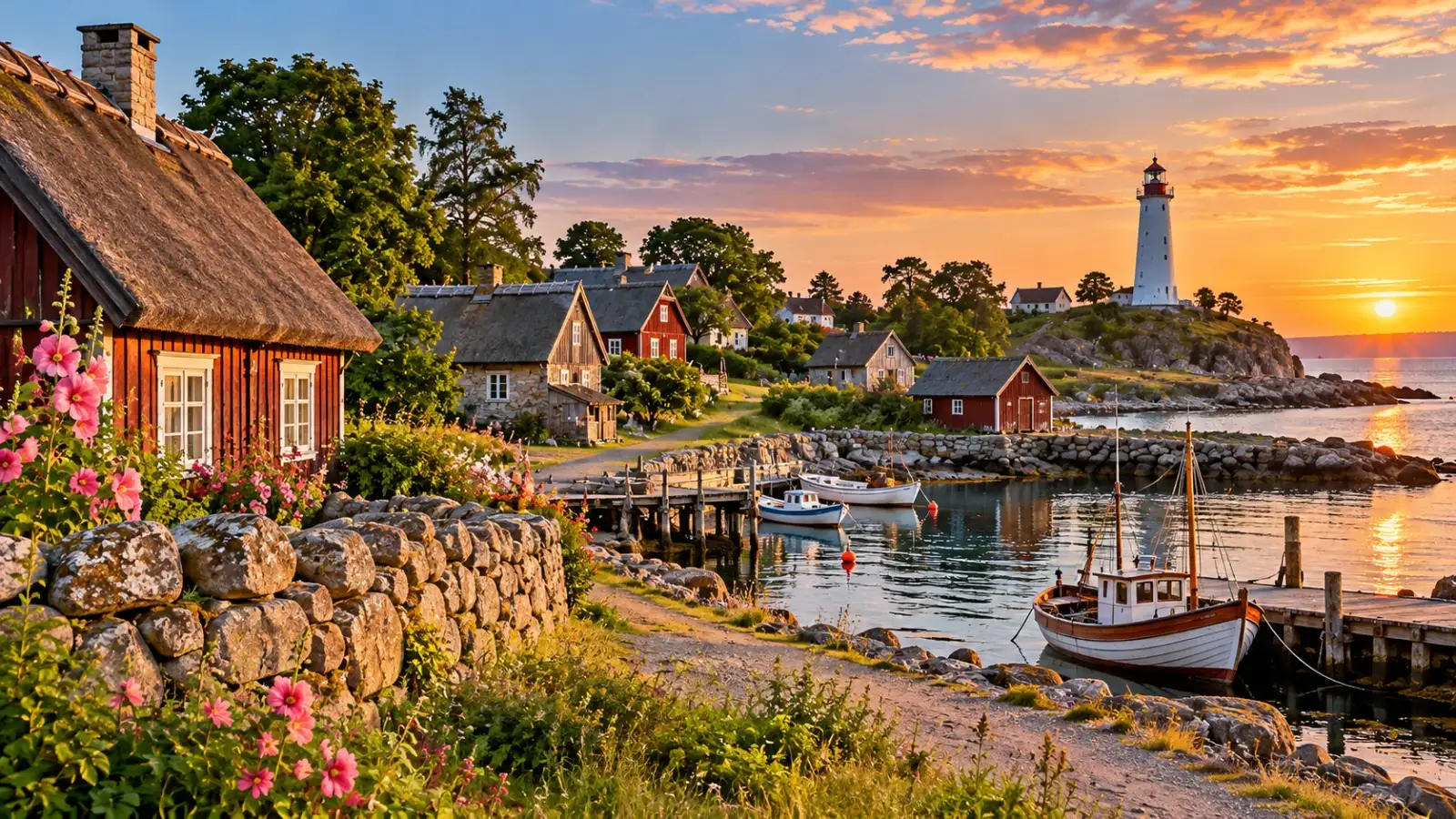
The village is also associated with Muhu Museum, where visitors can learn more about island life, local customs and the history of the community. Walking through Koguva offers a chance to understand how generations of residents adapted to an environment shaped by the sea, agriculture and the changing seasons.
For travellers interested in heritage photography and architecture, Koguva is an excellent place to explore at an unhurried pace.
Visitors may see residents wearing traditional striped skirts and patterned headscarves during everyday activities or community celebrations. Knitting and other handicrafts also remain important expressions of local creativity.
The island's appeal lies in the fact that these traditions are not simply performances staged for visitors. They belong to a living community whose customs have developed over generations. Travellers should approach cultural encounters respectfully, remembering that the island is a home as well as a destination.
Cycling is a practical way to explore Kihnu's small settlements, coastal scenery and local landmarks.
The island is also known for its historic windmills, particularly at Angla Windmill Mount, where traditional windmill structures offer insight into rural life and the importance of wind power in earlier agricultural communities.
Visitors can combine village exploration with trips to lighthouses, coastal cliffs and nature areas. The island's varied landscape makes it appealing to photographers, cyclists and travellers who prefer scenic drives to crowded sightseeing routes.
Saaremaa also has a strong food culture, with local bread, fish and seasonal produce contributing to its distinctive island character.
The island is particularly well known for its lighthouses. Kõpu Lighthouse is one of its most recognisable landmarks and has a long maritime history. Such structures help tell the story of communities whose lives have been closely connected to fishing, shipping and navigation.
Hiiumaa is also home to creative spaces and cultural venues that bring contemporary activity into its rural setting. This mix of old and new gives the island a character beyond its natural beauty.
For a relaxing trip, visitors can spend a morning exploring a village, take an afternoon coastal walk and finish the day enjoying the sea views.
On Muhu, stone fences and traditional farm complexes help define the landscape. Elsewhere, wooden houses, old barns and historic churches reveal different aspects of island architecture. Some settlements also preserve traces of older fishing and farming practices in their layouts and surrounding fields.
These buildings are more than attractive backdrops. They show how communities made use of available resources and adapted to long winters, changing weather and the demands of rural work.
Visitors should remember that many traditional buildings are privately owned homes. Admiring them from public roads and paths helps preserve both the heritage and the privacy of residents.
Nature lovers can explore walking trails, watch migratory birds or simply spend time by the water. Kihnu's surrounding islets are particularly significant for birdlife, although access to protected areas may be restricted during nesting periods.
Saaremaa and Hiiumaa also offer opportunities to explore forests and coastal landscapes. The changing light, open horizons and relatively peaceful surroundings make these areas appealing to photographers and travellers who enjoy spending time outdoors.
Weather can change quickly near the Baltic Sea, so a windproof jacket, comfortable walking shoes and a flexible itinerary are useful throughout the year.
Muhu is particularly known for its traditional bread and colourful handicrafts. On Saaremaa and other islands, visitors may find dishes prepared with locally sourced ingredients, depending on the season and availability.
Small cafés, bakeries and village food businesses can provide a more personal experience than larger tourist restaurants. However, opening hours may be limited outside the main summer season, particularly in smaller settlements.
Travellers who enjoy culinary exploration should allow time to try local specialities rather than treating food as just another stop between attractions.
On Hiiumaa, Kõpu Lighthouse stands as a major landmark associated with maritime navigation. Saaremaa's coastal areas also feature notable lighthouses, including Sõrve Lighthouse at the island's southern tip.
Smaller harbours offer a more everyday view of island life, with boats, waterfront buildings and views across the water. These places are especially rewarding for visitors who want to understand the practical role the sea continues to play in local communities.
Instead of attempting to see every attraction in a single day, choose a few villages and spend time exploring their streets, landscapes and local businesses. A longer stay also makes it easier to adapt plans to ferry schedules and changing weather.
Muhu, Saaremaa and Hiiumaa work well together for a multi-day trip, while Kihnu offers a different cultural experience. Smaller islands may require additional planning because transport options can be seasonal or limited.
Travelling slowly also benefits local communities by allowing visitors to support small cafés, accommodation providers and craft businesses.
Early autumn can be appealing for quieter landscapes and changing colours, although daylight becomes shorter and some services may reduce their hours. Winter offers a different atmosphere, with colder weather and fewer visitors, but transport and access to attractions may be more limited.
Before travelling, check ferry timetables, local transport connections and opening hours. If you plan to bring a car, booking ferry tickets in advance may be helpful during busy periods.
Allow at least several days if you want to explore more than one major island without rushing. Check ferry connections carefully, particularly when travelling between islands rather than returning to the mainland. Renting a car can provide flexibility, while cycling is an excellent option for exploring smaller areas where distances are manageable.
Above all, approach these destinations with curiosity and respect. Estonia's island villages are not simply picturesque places frozen in time. They are living communities where traditional practices coexist with modern life.
From the historic farmsteads of Koguva to Kihnu's cultural traditions and the coastal landscapes of Saaremaa and Hiiumaa, each island offers its own perspective on Estonian life. Exploring these places gives travellers a chance to experience the country at a gentler pace, while gaining a deeper appreciation of the communities shaped by the Baltic Sea.
For anyone seeking a European escape built around nature, heritage and meaningful local experiences, Estonia's island villages are worth exploring.
1. Koguva Village Preserves Estonia's Rural Heritage
Koguva, on Muhu Island, is one of Estonia's most distinctive historic villages. Its traditional farm buildings, stone fences and quiet lanes provide a glimpse into the country's rural past. Rather than being defined by large attractions, the village invites visitors to appreciate smaller details, from old wooden structures to the layout of traditional farmsteads.The village is also associated with Muhu Museum, where visitors can learn more about island life, local customs and the history of the community. Walking through Koguva offers a chance to understand how generations of residents adapted to an environment shaped by the sea, agriculture and the changing seasons.
For travellers interested in heritage photography and architecture, Koguva is an excellent place to explore at an unhurried pace.
2. Kihnu Offers a Remarkable Living Cultural Tradition
Kihnu Island is especially interesting because its cultural identity remains visible in everyday life. Traditional clothing, local music, handicrafts and the Kihnu dialect form part of the island's distinctive character. Its cultural heritage is recognised on UNESCO's list of intangible cultural heritage.Visitors may see residents wearing traditional striped skirts and patterned headscarves during everyday activities or community celebrations. Knitting and other handicrafts also remain important expressions of local creativity.
The island's appeal lies in the fact that these traditions are not simply performances staged for visitors. They belong to a living community whose customs have developed over generations. Travellers should approach cultural encounters respectfully, remembering that the island is a home as well as a destination.
Cycling is a practical way to explore Kihnu's small settlements, coastal scenery and local landmarks.
3. Saaremaa's Villages Combine Coastal Beauty With History
Saaremaa, Estonia's largest island, is home to numerous villages where traditional rural life meets striking natural scenery. Travelling beyond Kuressaare, the island's main town, reveals quiet roads, historic farmsteads, pine forests and stretches of coastline.The island is also known for its historic windmills, particularly at Angla Windmill Mount, where traditional windmill structures offer insight into rural life and the importance of wind power in earlier agricultural communities.
Visitors can combine village exploration with trips to lighthouses, coastal cliffs and nature areas. The island's varied landscape makes it appealing to photographers, cyclists and travellers who prefer scenic drives to crowded sightseeing routes.
Saaremaa also has a strong food culture, with local bread, fish and seasonal produce contributing to its distinctive island character.
4. Hiiumaa Is Ideal for Travellers Who Prefer Quiet Landscapes
Hiiumaa has a quieter atmosphere that appeals to visitors looking for nature and space. Its villages sit among forests, open fields, beaches and coastal landscapes, creating opportunities for walking, cycling and unhurried exploration.The island is particularly well known for its lighthouses. Kõpu Lighthouse is one of its most recognisable landmarks and has a long maritime history. Such structures help tell the story of communities whose lives have been closely connected to fishing, shipping and navigation.
Hiiumaa is also home to creative spaces and cultural venues that bring contemporary activity into its rural setting. This mix of old and new gives the island a character beyond its natural beauty.
For a relaxing trip, visitors can spend a morning exploring a village, take an afternoon coastal walk and finish the day enjoying the sea views.
5. Traditional Architecture Gives Each Village Its Own Character
Estonia's island villages are not all alike. Their buildings reflect local materials, practical needs, historical influences and the conditions of coastal life.On Muhu, stone fences and traditional farm complexes help define the landscape. Elsewhere, wooden houses, old barns and historic churches reveal different aspects of island architecture. Some settlements also preserve traces of older fishing and farming practices in their layouts and surrounding fields.
These buildings are more than attractive backdrops. They show how communities made use of available resources and adapted to long winters, changing weather and the demands of rural work.
Visitors should remember that many traditional buildings are privately owned homes. Admiring them from public roads and paths helps preserve both the heritage and the privacy of residents.
6. The Baltic Coast Provides Space for Nature and Outdoor Activities
The coastline is one of the strongest reasons to visit Estonia's island villages. Depending on the island and season, visitors can discover rocky shores, sandy beaches, coastal meadows, wooded areas and small offshore islets.Nature lovers can explore walking trails, watch migratory birds or simply spend time by the water. Kihnu's surrounding islets are particularly significant for birdlife, although access to protected areas may be restricted during nesting periods.
Saaremaa and Hiiumaa also offer opportunities to explore forests and coastal landscapes. The changing light, open horizons and relatively peaceful surroundings make these areas appealing to photographers and travellers who enjoy spending time outdoors.
Weather can change quickly near the Baltic Sea, so a windproof jacket, comfortable walking shoes and a flexible itinerary are useful throughout the year.
7. Island Food Offers a Taste of Local Life
Food is another reason to explore Estonia's island villages. Local cuisine reflects the close relationship between communities and their surroundings, with fish, bread, seasonal produce and traditional home cooking playing important roles.Muhu is particularly known for its traditional bread and colourful handicrafts. On Saaremaa and other islands, visitors may find dishes prepared with locally sourced ingredients, depending on the season and availability.
Small cafés, bakeries and village food businesses can provide a more personal experience than larger tourist restaurants. However, opening hours may be limited outside the main summer season, particularly in smaller settlements.
Travellers who enjoy culinary exploration should allow time to try local specialities rather than treating food as just another stop between attractions.
8. Lighthouses and Harbours Reveal the Islands' Maritime Past
For centuries, the sea has shaped life on Estonia's islands. Fishing, trading and navigation influenced where people settled and how communities developed. Historic lighthouses and small harbours remain visible reminders of that relationship.On Hiiumaa, Kõpu Lighthouse stands as a major landmark associated with maritime navigation. Saaremaa's coastal areas also feature notable lighthouses, including Sõrve Lighthouse at the island's southern tip.
Smaller harbours offer a more everyday view of island life, with boats, waterfront buildings and views across the water. These places are especially rewarding for visitors who want to understand the practical role the sea continues to play in local communities.
9. Slow Travel Is the Best Way to Experience Island Life
Estonia's island villages reward travellers who resist the temptation to rush. Short distances can make cycling and walking enjoyable, while ferries and connecting roads allow visitors to build multi-island itineraries.Instead of attempting to see every attraction in a single day, choose a few villages and spend time exploring their streets, landscapes and local businesses. A longer stay also makes it easier to adapt plans to ferry schedules and changing weather.
Muhu, Saaremaa and Hiiumaa work well together for a multi-day trip, while Kihnu offers a different cultural experience. Smaller islands may require additional planning because transport options can be seasonal or limited.
You may also like
- Pandavara Batti: The leaves of this plant can burn like cotton in a lamp and give off a camphor like aroma
- DAY 6 KATYAYANI: The Five Questions Anger Must Answer
- Danish parents raise their children to be extremely confident by doing this: 3 habits to try
- From the Ramayana to the runway: How Two Até is giving the traditional Indian paduka a maximalist makeover
- A little girl fell into an open drain in Panipat: The CCTV-captured rescue is a reminder to parents during rains, flooded drains, potholes and road openings can hide dangers children may not see
Travelling slowly also benefits local communities by allowing visitors to support small cafés, accommodation providers and craft businesses.
10. When Is the Best Time to Visit Estonia's Island Villages?
Late spring and summer are popular periods for exploring Estonia's islands, thanks to longer daylight hours and generally more favourable conditions for cycling, walking and coastal activities. Summer is also when many seasonal cafés, museums and visitor services are more likely to operate.Early autumn can be appealing for quieter landscapes and changing colours, although daylight becomes shorter and some services may reduce their hours. Winter offers a different atmosphere, with colder weather and fewer visitors, but transport and access to attractions may be more limited.
Before travelling, check ferry timetables, local transport connections and opening hours. If you plan to bring a car, booking ferry tickets in advance may be helpful during busy periods.
How to Plan a Visit to Estonia's Island Villages
Start by choosing the kind of experience you want. Muhu and Koguva are well suited to travellers interested in traditional architecture and rural heritage. Kihnu is particularly appealing for its living cultural traditions, while Saaremaa and Hiiumaa offer a wider mix of villages, coastlines, lighthouses and outdoor activities.Allow at least several days if you want to explore more than one major island without rushing. Check ferry connections carefully, particularly when travelling between islands rather than returning to the mainland. Renting a car can provide flexibility, while cycling is an excellent option for exploring smaller areas where distances are manageable.
Above all, approach these destinations with curiosity and respect. Estonia's island villages are not simply picturesque places frozen in time. They are living communities where traditional practices coexist with modern life.
Why Estonia's Island Villages Deserve a Place on Your Travel List
Estonia's island villages offer something different from a conventional city break. Their appeal comes from the combination of maritime history, traditional architecture, local food, distinctive cultural practices and peaceful natural surroundings.From the historic farmsteads of Koguva to Kihnu's cultural traditions and the coastal landscapes of Saaremaa and Hiiumaa, each island offers its own perspective on Estonian life. Exploring these places gives travellers a chance to experience the country at a gentler pace, while gaining a deeper appreciation of the communities shaped by the Baltic Sea.
For anyone seeking a European escape built around nature, heritage and meaningful local experiences, Estonia's island villages are worth exploring.






Loving Newspoint? Download the app now
