
3 Everyday Habits That Can Seriously Damage Your Pancreas

The pancreas is essential for staying alive and healthy. This small organ sits behind the stomach and has two main jobs. It produces digestive enzymes that break down food and hormones such as insulin and glucagon that control blood sugar.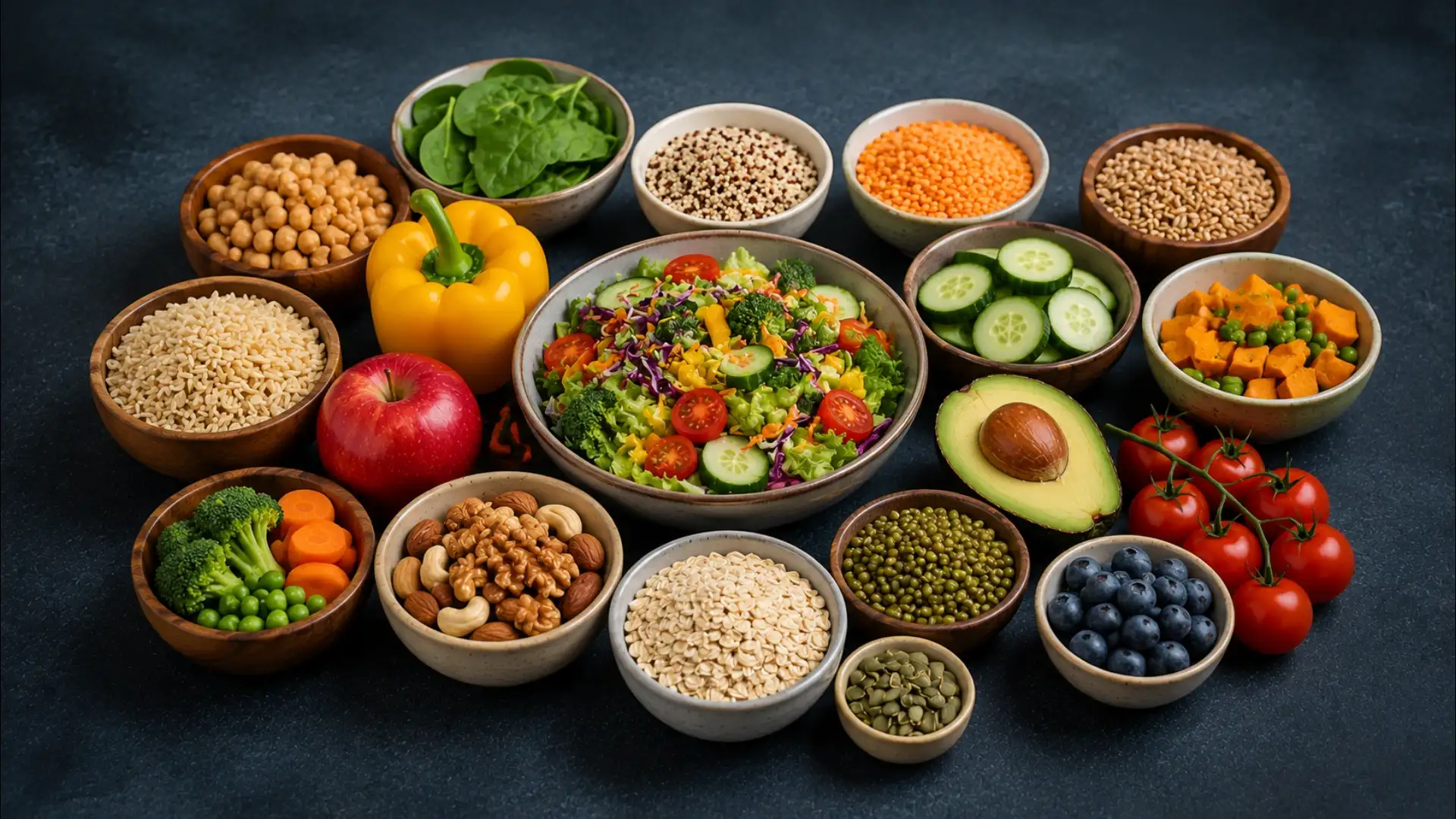
Everyday habits such as heavy drinking and unhealthy eating can gradually damage the pancreas. Once injured, the consequences can be serious and include inflammation, diabetes and, in some cases, cancer.
Several common lifestyle factors can put the pancreas under strain:
Alcohol can cause digestive enzymes such as trypsin, which normally work in the small intestine, to activate inside the pancreas before they reach the gut. Instead of digesting food, they digest pancreatic tissue and trigger severe inflammation.
Alcohol also makes pancreatic juices thicker and stickier. These thicker fluids can form protein plugs that harden into stones and block tiny ducts. Over time, this can cause irritation, scarring and the loss of pancreatic cells. When the pancreas breaks down alcohol, it produces a toxic chemical called acetaldehyde, which irritates and damages cells and triggers inflammation.
Smoking is also strongly linked to pancreatic cancer. Scientists do not yet fully understand every mechanism, but laboratory studies show that nicotine can trigger sudden increases in calcium inside pancreatic cells. Too much calcium harms cells and worsens inflammation. Tobacco smoke also contains carcinogens that damage DNA.
One of the earliest genetic changes in pancreatic cancer involves a gene called KRAS, which acts like a switch that controls how cells grow. In more than 90 percent of pancreatic cancers, this gene is mutated, locking the growth switch in the 'on' position and encouraging uncontrolled cell growth.
One major cause of acute pancreatitis is gallstones. Gallstones can block the bile duct and trap digestive enzymes inside the pancreas. When enzymes build up, they begin to damage the organ. Diet contributes to gallstone formation because high cholesterol levels make bile more likely to form stones.
Another type of fat in the blood is triglycerides. When triglycerides rise to very high levels, large fat particles known as chylomicrons can clog tiny blood vessels in the pancreas. This reduces oxygen supply and triggers the release of harmful fatty acids that irritate pancreatic tissue.
Frequent spikes in blood sugar from high-sugar foods can also strain the pancreas. Constant surges in insulin over time can reduce insulin sensitivity and may increase the risk of pancreatic cancer.
Everyday habits such as heavy drinking and unhealthy eating can gradually damage the pancreas. Once injured, the consequences can be serious and include inflammation, diabetes and, in some cases, cancer.
Several common lifestyle factors can put the pancreas under strain:
1. Alcohol
Regular heavy drinking is one of the leading causes of pancreatitis. Acute pancreatitis causes severe abdominal pain, nausea and vomiting and often needs hospital care. Repeated episodes can develop into chronic pancreatitis, where long-lasting inflammation and scarring permanently reduce pancreatic function. This can lead to malabsorption of fats, vitamins and other nutrients, diabetes and a higher risk of pancreatic cancer. Researchers have several theories about how this damage occurs.Alcohol can cause digestive enzymes such as trypsin, which normally work in the small intestine, to activate inside the pancreas before they reach the gut. Instead of digesting food, they digest pancreatic tissue and trigger severe inflammation.
You may also like
- That empty wall doesn't need another painting: 8 DIY ideas to turn blank space into something useful
- How to remove stubborn turmeric stains from containers and hands using simple home remedies
- Meet Dr Neeraja Nagarajan: After 13 years in America, this physician-scientist and former McKinsey executive moved to India and her story is going viral
- Monsoon Making Your Joints Ache? Here's Why Rainy Weather Can Trigger Knee and Back Pain
- Planning a trip during Sawan? Pushkar's Nag Pahar has emerged as Rajasthan's new monsoon hotspot..
Alcohol also makes pancreatic juices thicker and stickier. These thicker fluids can form protein plugs that harden into stones and block tiny ducts. Over time, this can cause irritation, scarring and the loss of pancreatic cells. When the pancreas breaks down alcohol, it produces a toxic chemical called acetaldehyde, which irritates and damages cells and triggers inflammation.
2. Smoking
Smoking increases the risk of both acute and chronic pancreatitis. Acute pancreatitis develops suddenly, causing severe pain and sickness. Chronic pancreatitis develops over many years, and repeated inflammation causes permanent damage. Several studies show that the more someone smokes, the higher their risk. Another study found that quitting significantly reduces the risk, and after about 15 years, the risk can fall close to that of a non-smoker.Smoking is also strongly linked to pancreatic cancer. Scientists do not yet fully understand every mechanism, but laboratory studies show that nicotine can trigger sudden increases in calcium inside pancreatic cells. Too much calcium harms cells and worsens inflammation. Tobacco smoke also contains carcinogens that damage DNA.
One of the earliest genetic changes in pancreatic cancer involves a gene called KRAS, which acts like a switch that controls how cells grow. In more than 90 percent of pancreatic cancers, this gene is mutated, locking the growth switch in the 'on' position and encouraging uncontrolled cell growth.
3. Diet
Diet affects the pancreas in several ways. Eating large amounts of saturated fat, processed meat or refined carbohydrates can increase the risk of pancreatic problems.One major cause of acute pancreatitis is gallstones. Gallstones can block the bile duct and trap digestive enzymes inside the pancreas. When enzymes build up, they begin to damage the organ. Diet contributes to gallstone formation because high cholesterol levels make bile more likely to form stones.
Another type of fat in the blood is triglycerides. When triglycerides rise to very high levels, large fat particles known as chylomicrons can clog tiny blood vessels in the pancreas. This reduces oxygen supply and triggers the release of harmful fatty acids that irritate pancreatic tissue.
Frequent spikes in blood sugar from high-sugar foods can also strain the pancreas. Constant surges in insulin over time can reduce insulin sensitivity and may increase the risk of pancreatic cancer.






Loving Newspoint? Download the app now
