
Everyday Superfoods You Should Add To Your Diet For Better Health And Daily Nutrition

Healthy eating does not always require complicated meal plans or expensive imported ingredients. Many nutrient-rich foods that support overall health are already part of traditional kitchens and everyday grocery shopping. These commonly available ingredients are often referred to as superfoods because they contain vitamins, minerals, fibre, antioxidants and other nutrients that contribute positively to the body.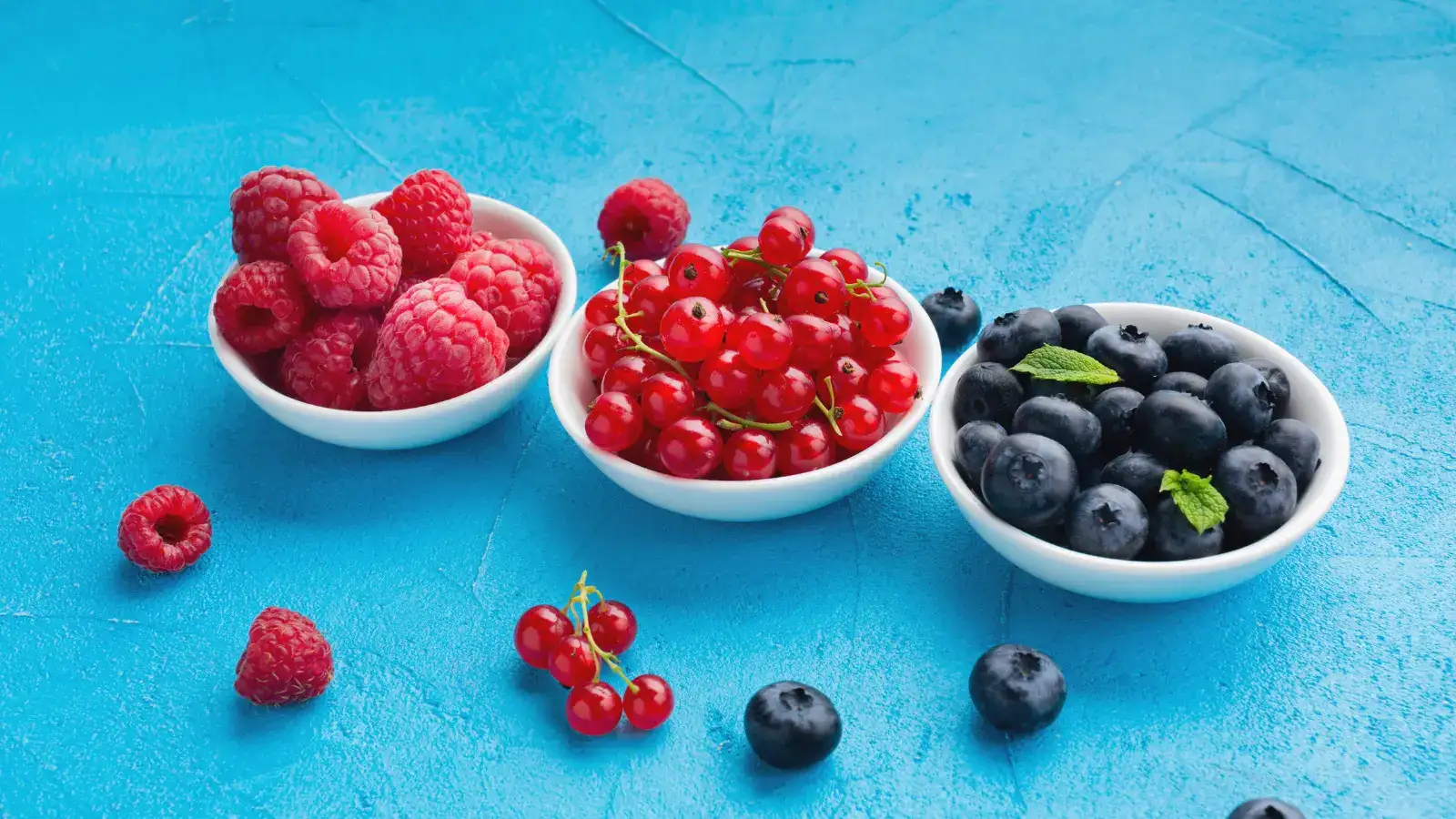
Including a variety of healthy foods in daily meals can help improve energy levels, support immunity and encourage better long-term wellness. While no single ingredient can replace a balanced lifestyle, regularly consuming nutrient-dense foods can make everyday diets healthier and more satisfying.
Unlike restrictive food trends, incorporating superfoods into regular meals is usually practical and sustainable. They can be added gradually through breakfast options, snacks, salads, curries or beverages without requiring drastic dietary changes.
Consistency is more important than quantity. Small daily additions of healthy ingredients often provide better long-term benefits than occasional extreme diet plans.
These foods can support satiety and provide steady energy throughout the day. Adding a small portion of mixed nuts to breakfast or evening snacks can help improve nutritional intake without much effort.
Seeds can also be sprinkled over curd, salads or smoothies for extra texture and nutrients.
These vegetables can be included in dals, curries, parathas or soups to increase nutrient diversity in meals. Regular intake of greens may support digestion and contribute to better dietary balance.
Cooking methods also matter. Light cooking often helps preserve flavour and texture while maintaining nutritional value.
Seasonal fruits are especially beneficial because they are fresher, more affordable and often richer in flavour. Eating whole fruits instead of relying only on packaged juices helps maintain fibre intake as well.
Fruits can be enjoyed as snacks, breakfast additions or dessert alternatives in everyday meals.
Turmeric contains compounds known for their antioxidant properties, while ginger and garlic are commonly valued for their role in supporting digestion and immunity.
Millets such as ragi, jowar and bajra are increasingly becoming popular again because they provide fibre and are often considered healthier grain alternatives in balanced diets.
Including yoghurt in meals can also improve satiety and provide calcium and protein. Traditional fermented foods such as idli, dosa batter and homemade pickles can contribute to dietary variety when consumed in moderation.
Gut-friendly foods are increasingly recognised as an important part of maintaining overall health and nutritional balance.
A nutritious diet generally includes a mix of vegetables, fruits, grains, proteins and healthy fats. Portion control, hydration and regular physical activity are equally important for maintaining wellness.
Healthy eating habits should also remain realistic and enjoyable rather than overly restrictive or difficult to maintain.
Smoothies, soups and salads also offer easy ways to include multiple healthy ingredients together. Planning meals around seasonal produce often improves both flavour and affordability.
Preparing snacks at home using nuts, fruits or roasted seeds can reduce dependence on heavily processed packaged foods.
Traditional home-cooked diets already include many naturally nutritious ingredients that support health without needing expensive supplements or complicated plans.
Everyday superfoods are less about following trends and more about making thoughtful food choices that improve nutrition gradually. With balanced meals and practical eating habits, these nutrient-rich foods can become a valuable part of a healthier and more sustainable lifestyle.
Including a variety of healthy foods in daily meals can help improve energy levels, support immunity and encourage better long-term wellness. While no single ingredient can replace a balanced lifestyle, regularly consuming nutrient-dense foods can make everyday diets healthier and more satisfying.
Why Superfoods Matter In Daily Nutrition
Superfoods are valued because they provide high nutritional benefits without excessive processing or artificial additives. Most of these foods naturally contain nutrients that support body functions, digestion and overall well-being.Unlike restrictive food trends, incorporating superfoods into regular meals is usually practical and sustainable. They can be added gradually through breakfast options, snacks, salads, curries or beverages without requiring drastic dietary changes.
Consistency is more important than quantity. Small daily additions of healthy ingredients often provide better long-term benefits than occasional extreme diet plans.
Nuts And Seeds For Healthy Fats And Energy
Nuts and seeds are among the easiest superfoods to include in everyday eating habits. Almonds, walnuts, flaxseeds, chia seeds and pumpkin seeds contain healthy fats, fibre and plant-based nutrients.These foods can support satiety and provide steady energy throughout the day. Adding a small portion of mixed nuts to breakfast or evening snacks can help improve nutritional intake without much effort.
Seeds can also be sprinkled over curd, salads or smoothies for extra texture and nutrients.
Leafy Greens Support Overall Health
Leafy vegetables remain one of the most important parts of a balanced diet. Spinach, fenugreek leaves, amaranth and other greens provide iron, fibre and important vitamins.These vegetables can be included in dals, curries, parathas or soups to increase nutrient diversity in meals. Regular intake of greens may support digestion and contribute to better dietary balance.
Cooking methods also matter. Light cooking often helps preserve flavour and texture while maintaining nutritional value.
Fruits That Add Natural Nutrition
Fresh fruits are among the simplest immunity boosting foods available. Bananas, apples, oranges, papayas and berries provide vitamins, hydration and natural sweetness without heavily processed sugars.Seasonal fruits are especially beneficial because they are fresher, more affordable and often richer in flavour. Eating whole fruits instead of relying only on packaged juices helps maintain fibre intake as well.
Fruits can be enjoyed as snacks, breakfast additions or dessert alternatives in everyday meals.
Traditional Indian Ingredients With Superfood Benefits
Many traditional Indian kitchen staples naturally qualify as healthy diet foods because of their nutritional properties. Turmeric, ginger, garlic and millets have been widely used in home cooking for generations.Turmeric contains compounds known for their antioxidant properties, while ginger and garlic are commonly valued for their role in supporting digestion and immunity.
Millets such as ragi, jowar and bajra are increasingly becoming popular again because they provide fibre and are often considered healthier grain alternatives in balanced diets.
Yoghurt And Fermented Foods For Gut Health
Curd and other fermented foods are important for digestive wellness. They contain beneficial bacteria that support gut balance and digestion.Including yoghurt in meals can also improve satiety and provide calcium and protein. Traditional fermented foods such as idli, dosa batter and homemade pickles can contribute to dietary variety when consumed in moderation.
Gut-friendly foods are increasingly recognised as an important part of maintaining overall health and nutritional balance.
Importance Of Balanced Eating Habits
While superfoods can support health, they work best as part of an overall balanced lifestyle. Depending entirely on one or two “healthy” ingredients while ignoring meal balance may not provide meaningful results.A nutritious diet generally includes a mix of vegetables, fruits, grains, proteins and healthy fats. Portion control, hydration and regular physical activity are equally important for maintaining wellness.
Healthy eating habits should also remain realistic and enjoyable rather than overly restrictive or difficult to maintain.
Easy Ways To Add Superfoods To Daily Meals
Incorporating nutrient-rich foods into regular cooking can be simple with small adjustments. Adding seeds to breakfast, replacing refined grains occasionally with millets or including more vegetables in lunches are practical starting points.Smoothies, soups and salads also offer easy ways to include multiple healthy ingredients together. Planning meals around seasonal produce often improves both flavour and affordability.
Preparing snacks at home using nuts, fruits or roasted seeds can reduce dependence on heavily processed packaged foods.
Consistency Matters More Than Trends
Food trends change frequently, but long-term wellness usually depends on consistent habits rather than short-term dietary experiments. Simple everyday superfoods often provide the greatest benefits when consumed regularly as part of familiar meals.Traditional home-cooked diets already include many naturally nutritious ingredients that support health without needing expensive supplements or complicated plans.
Everyday superfoods are less about following trends and more about making thoughtful food choices that improve nutrition gradually. With balanced meals and practical eating habits, these nutrient-rich foods can become a valuable part of a healthier and more sustainable lifestyle.
Next Story