
A Guide to Exploring Japan's Hidden Railway Towns Through Local Food, Culture and Scenic Journeys

Japan is often associated with the busy streets of Tokyo, the historic temples of Kyoto and the bright lights of Osaka. However, a different side of the country can be discovered in its smaller railway towns, where traditional shopping streets, wooden houses, local food shops and quiet countryside stations offer a slower pace of travel. Exploring these places by train allows visitors to experience everyday Japanese life while enjoying scenic journeys between destinations. With a little planning, travellers can move beyond the usual tourist circuit, discover regional traditions and find memorable stops without rushing through the country.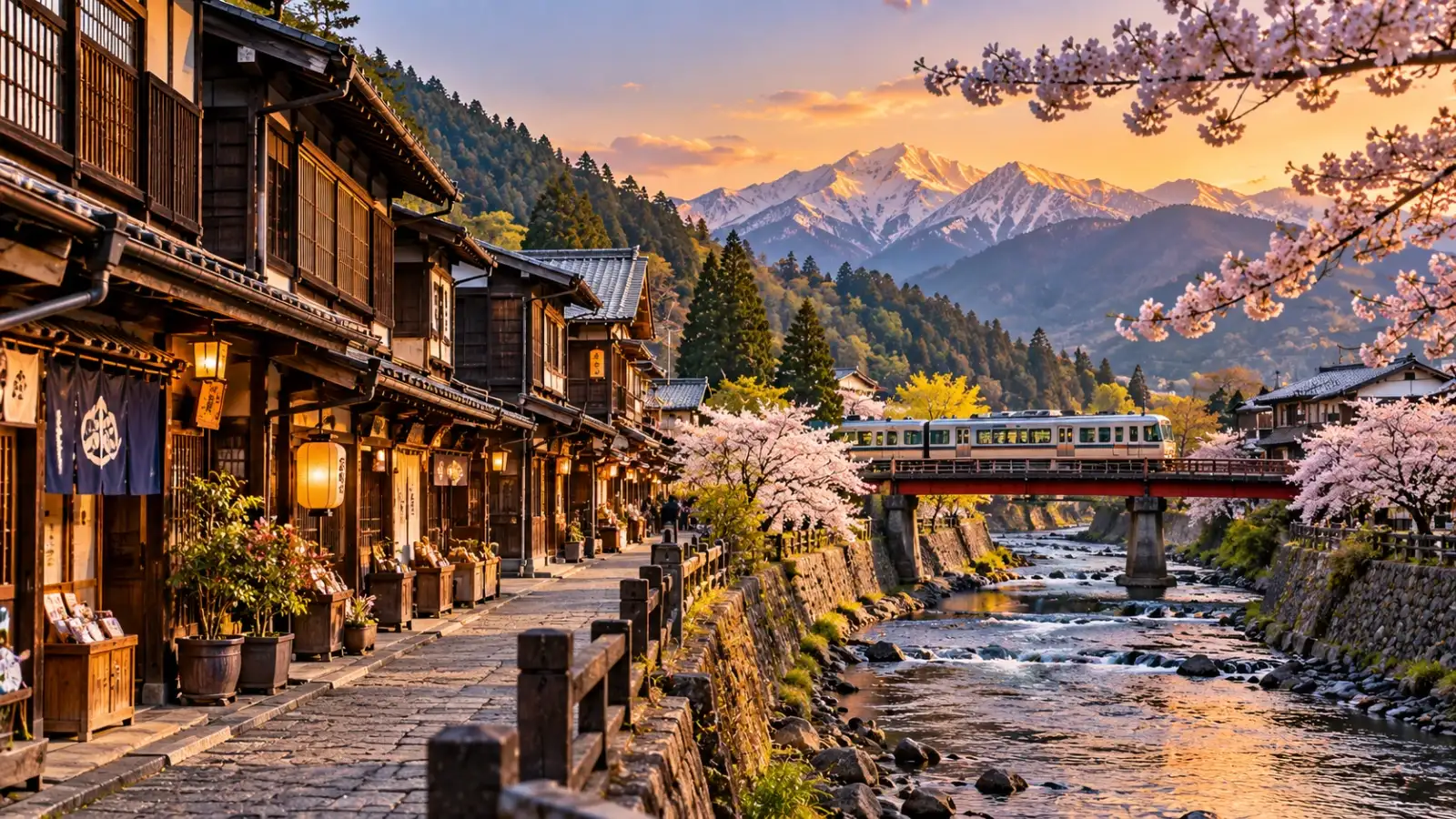
If you enjoy architecture and history, look for towns with old merchant districts and traditional buildings. Nature lovers may prefer destinations near forests, lakes or mountain railways. Travellers interested in regional culture can choose places known for pottery, textiles, woodworking or distinctive local cuisine.
Rather than adding every appealing town to your itinerary, select a few that fit your interests and connect conveniently by train. This will give you more time to explore instead of spending the holiday constantly changing locations.
Visitors can walk through the preserved streets, browse craft shops and sample local specialities. Morning markets also provide an opportunity to see regional produce and handmade goods, depending on the day and season.
Takayama can be reached by rail, including scenic journeys through mountainous areas. Check connections carefully, as routes and journey times depend on your starting point. Staying overnight allows you to explore at a relaxed pace after day visitors have left.
Today, visitors can explore small shops, craft outlets, eateries and preserved buildings while learning about the area's role in historic travel. The atmosphere is particularly appealing to those who prefer walking through traditional streets rather than visiting large attractions.
Narai has a railway station on the JR Chuo Line, making it possible to visit without a car. Check train frequency before travelling, because services in smaller towns may be less frequent than in major cities.
Visitors can walk through residential lanes, explore temple paths and spend time near the waterfront. Onomichi is also associated with cycling routes across the islands of the Seto Inland Sea, although cyclists should plan separately for bike rental and route logistics.
The town is served by the JR Sanyo Main Line, making it a practical stop between larger destinations in western Japan.
The main attraction is the opportunity to enjoy a slower evening, moving between selected public baths and local restaurants. Bathing rules, opening hours and access arrangements can vary, so check local guidance before visiting.
Direct limited express services connect Kinosaki Onsen with major cities such as Kyoto and Osaka, although timetables should be confirmed for your travel date. An overnight stay is usually more rewarding than treating it as a rushed stop.
Where practical, choose routes that connect naturally with your itinerary and leave enough time to enjoy the scenery. Some local lines run less frequently, so check the timetable before leaving your accommodation.
Do not assume every train offers reserved seating or extensive onboard facilities. Depending on the route, you may need to purchase tickets separately, use an eligible transport pass or plan around limited departures.
Look for products associated with the area, such as pottery, wooden crafts, textiles or locally produced sweets. These can make more meaningful souvenirs than mass-produced items sold everywhere.
Be considerate when photographing shopkeepers, residents or private properties. Some historic streets are still residential neighbourhoods, so keep noise low and avoid blocking entrances while taking pictures.
Travelling with a compact suitcase or backpack makes it easier to use station lockers, walk along narrow streets and change trains. If you have larger luggage, investigate station facilities or luggage delivery services where available.
Allow extra time for transfers and avoid scheduling a late train connection immediately after a long sightseeing day. Missing the final service can create unnecessary complications in places with limited alternatives.
Spend thoughtfully at locally owned cafés, shops and accommodation providers when possible. Buying a regional product or enjoying a meal in a small restaurant can help support businesses that contribute to the character of the town.
Remember that rural transport and services can change seasonally. Check official local tourism information before travelling, especially if your plans depend on a specific attraction, market or railway connection.
Japan's small railway towns offer a different way to understand the country, combining scenic train journeys with historic streets, regional food and everyday local culture. Takayama, Narai-juku, Onomichi and Kinosaki Onsen each provide a distinct experience beyond the major tourist centres. Choose destinations that connect sensibly, check local timetables and allow enough time to explore on foot. A slower itinerary can reveal details of Japan that are easy to overlook when travelling only between its biggest cities.
1. Choose Railway Towns That Match Your Interests
Japan has small towns suited to different travel styles. Some are known for preserved historic streets, while others offer mountain scenery, traditional crafts, hot springs or local food.If you enjoy architecture and history, look for towns with old merchant districts and traditional buildings. Nature lovers may prefer destinations near forests, lakes or mountain railways. Travellers interested in regional culture can choose places known for pottery, textiles, woodworking or distinctive local cuisine.
Rather than adding every appealing town to your itinerary, select a few that fit your interests and connect conveniently by train. This will give you more time to explore instead of spending the holiday constantly changing locations.
2. Explore Takayama for Traditional Streets and Local Culture
Takayama, in Gifu Prefecture, is a rewarding destination for travellers interested in historic Japanese architecture and regional traditions. Its old town features wooden merchant houses, traditional shops, sake breweries and small eateries.Visitors can walk through the preserved streets, browse craft shops and sample local specialities. Morning markets also provide an opportunity to see regional produce and handmade goods, depending on the day and season.
Takayama can be reached by rail, including scenic journeys through mountainous areas. Check connections carefully, as routes and journey times depend on your starting point. Staying overnight allows you to explore at a relaxed pace after day visitors have left.
3. Visit Narai-juku for a Glimpse of Old Japan
Narai-juku, in Nagano Prefecture, is a historic post town along the former Nakasendo route. Its long street of traditional wooden buildings recalls the period when travellers crossed Japan on foot between major centres.Today, visitors can explore small shops, craft outlets, eateries and preserved buildings while learning about the area's role in historic travel. The atmosphere is particularly appealing to those who prefer walking through traditional streets rather than visiting large attractions.
Narai has a railway station on the JR Chuo Line, making it possible to visit without a car. Check train frequency before travelling, because services in smaller towns may be less frequent than in major cities.
4. Discover Onomichi's Hillside Lanes and Waterfront
Onomichi, in Hiroshima Prefecture, offers a mix of railway access, sea views, narrow lanes and hillside temples. The town looks across the Seto Inland Sea and is known for its sloping streets, small cafés and views of the surrounding islands.Visitors can walk through residential lanes, explore temple paths and spend time near the waterfront. Onomichi is also associated with cycling routes across the islands of the Seto Inland Sea, although cyclists should plan separately for bike rental and route logistics.
The town is served by the JR Sanyo Main Line, making it a practical stop between larger destinations in western Japan.
5. Consider Kinosaki Onsen for a Relaxed Hot Spring Stay
Kinosaki Onsen, in Hyogo Prefecture, is a small hot spring town known for its traditional inns, willow-lined canal and public bathhouses. Visitors often explore the town on foot, wearing the traditional yukata robes provided by many accommodation providers.The main attraction is the opportunity to enjoy a slower evening, moving between selected public baths and local restaurants. Bathing rules, opening hours and access arrangements can vary, so check local guidance before visiting.
Direct limited express services connect Kinosaki Onsen with major cities such as Kyoto and Osaka, although timetables should be confirmed for your travel date. An overnight stay is usually more rewarding than treating it as a rushed stop.
6. Use Local Trains to Enjoy the Journey
Travelling through smaller towns is not just about the destination. Regional trains can pass through farmland, river valleys, wooded hills and quiet station communities that are easy to miss when flying between major cities.Where practical, choose routes that connect naturally with your itinerary and leave enough time to enjoy the scenery. Some local lines run less frequently, so check the timetable before leaving your accommodation.
Do not assume every train offers reserved seating or extensive onboard facilities. Depending on the route, you may need to purchase tickets separately, use an eligible transport pass or plan around limited departures.
You may also like
- Isabgol vs chia seeds: Which works better for constipation, and how should you consume them safely?
- As long as I had that fire in me, I knew I could keep going: Joshna Chinappa
- Why Is Sharad Purnima Kheer Left Under Moonlight?
- IUI for Endometriosis: When Does It Work Best?
- India's AI wonder kid: Meet 16-year-old Raul John Aju; the teenager from Kerala, still in school, who runs an AI startup, trains 5 lakh learners, and pays his father ₹2 lakh a month
7. Visit Local Markets, Cafés and Craft Shops
Small railway towns often reveal their character through everyday places rather than major attractions. Visit family-run cafés, local bakeries, produce markets and small craft shops to discover regional flavours and handmade goods.Look for products associated with the area, such as pottery, wooden crafts, textiles or locally produced sweets. These can make more meaningful souvenirs than mass-produced items sold everywhere.
Be considerate when photographing shopkeepers, residents or private properties. Some historic streets are still residential neighbourhoods, so keep noise low and avoid blocking entrances while taking pictures.
8. Plan Around Train Timetables and Luggage
Railway travel is convenient in Japan, but smaller towns may have fewer departures and limited late-evening services. Check your return connection before setting out, particularly if you are visiting a rural area on a day trip.Travelling with a compact suitcase or backpack makes it easier to use station lockers, walk along narrow streets and change trains. If you have larger luggage, investigate station facilities or luggage delivery services where available.
Allow extra time for transfers and avoid scheduling a late train connection immediately after a long sightseeing day. Missing the final service can create unnecessary complications in places with limited alternatives.
9. Travel Respectfully and Support Local Businesses
Smaller communities may receive fewer international visitors than Japan's major tourist centres. Respect local customs, follow signs and instructions, and check whether certain areas or buildings are open to visitors.Spend thoughtfully at locally owned cafés, shops and accommodation providers when possible. Buying a regional product or enjoying a meal in a small restaurant can help support businesses that contribute to the character of the town.
Remember that rural transport and services can change seasonally. Check official local tourism information before travelling, especially if your plans depend on a specific attraction, market or railway connection.
Japan's small railway towns offer a different way to understand the country, combining scenic train journeys with historic streets, regional food and everyday local culture. Takayama, Narai-juku, Onomichi and Kinosaki Onsen each provide a distinct experience beyond the major tourist centres. Choose destinations that connect sensibly, check local timetables and allow enough time to explore on foot. A slower itinerary can reveal details of Japan that are easy to overlook when travelling only between its biggest cities.






Loving Newspoint? Download the app now
