
How Some Animals Survive for Hours Without Any Oxygen

Oxygen is essential for almost every animal on Earth. Humans can survive only a few minutes without it before serious damage begins to occur. Yet nature has evolved a handful of extraordinary species that can endure hours, days or even months with little or no oxygen. Living in frozen lakes, muddy ponds and oxygen-starved wetlands, these remarkable animals have developed survival strategies unlike anything found in humans. Some slow their metabolism to an astonishing degree, while others switch to completely different chemical processes to keep their cells alive. Their unique abilities continue to fascinate scientists and could one day inspire new treatments for medical emergencies involving oxygen deprivation.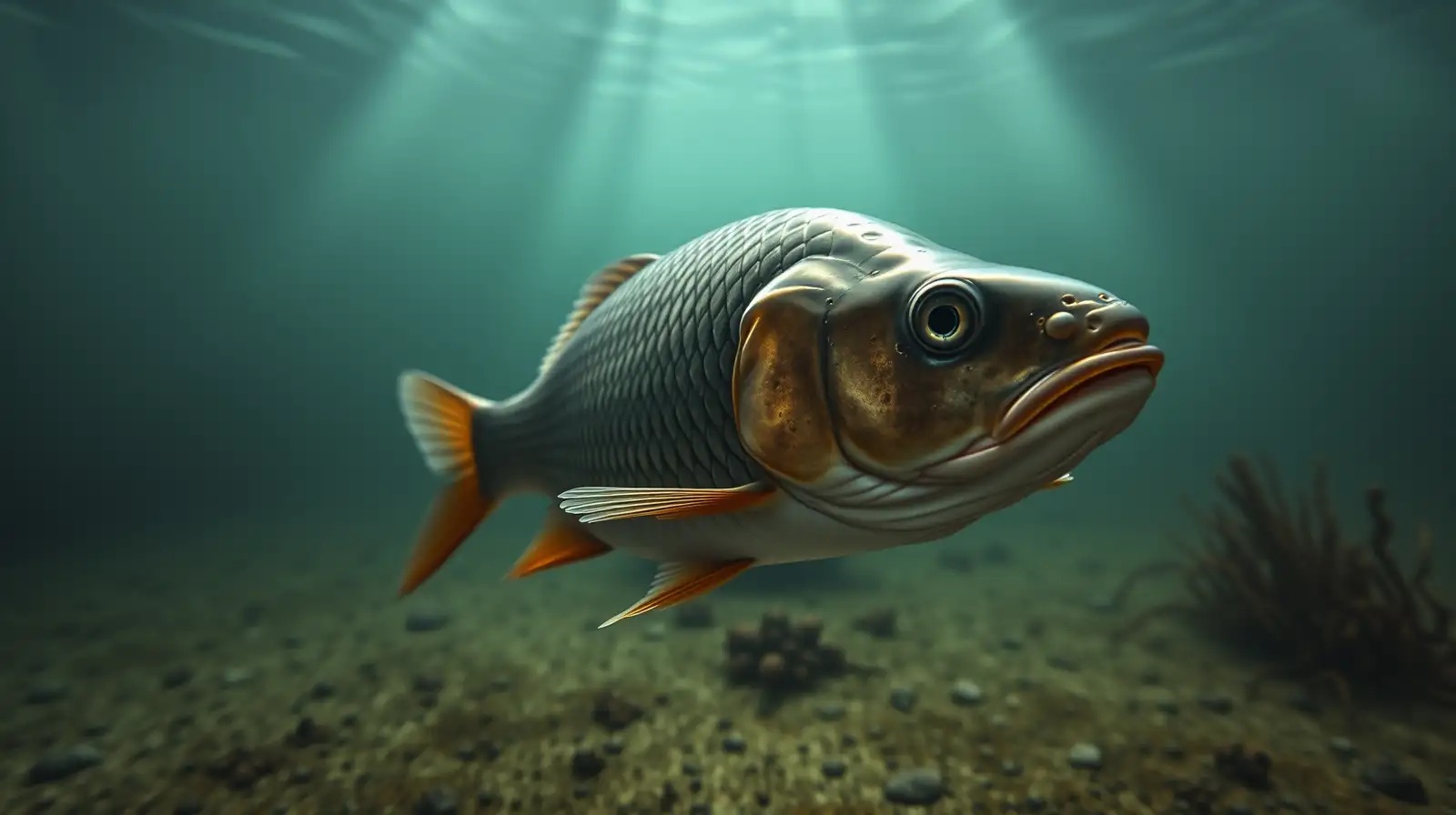
However, certain species have evolved ways to dramatically reduce their energy needs or temporarily use alternative metabolic pathways. These adaptations allow them to survive environments where oxygen levels drop to almost zero.
Such conditions commonly occur beneath frozen lakes, inside muddy riverbeds and in stagnant ponds during winter.
During winter, many lakes become sealed beneath thick ice, preventing fresh oxygen from entering the water. While most fish would suffocate, the crucian carp switches to a unique survival strategy. Instead of producing harmful lactic acid when oxygen runs out, it converts this waste into ethanol, which is released through its gills into the surrounding water.
This remarkable adaptation allows the fish to survive for weeks and, in some cases, even months in oxygen-free conditions.
To survive, their heart rate slows dramatically, their metabolism falls to a tiny fraction of its normal level and their shells help neutralise acids that would otherwise accumulate inside the body.
Young painted turtles have been observed surviving entire winters beneath the ice before emerging when temperatures rise in spring.
Even more remarkable are tiny creatures such as tardigrades. Although they still require oxygen during active life, they can enter an almost dormant state called cryptobiosis, allowing them to survive extreme environmental conditions, including severe dehydration and freezing, for extended periods.
These adaptations demonstrate just how flexible life can become under evolutionary pressure.
Scientists are particularly interested in how these animals prevent permanent brain damage despite spending long periods with very limited oxygen.
Their natural survival mechanisms could eventually inspire new therapies that protect human tissues during medical emergencies.
Animals That Can Live Without Oxygen for Hours
Surviving Where Oxygen Is Scarce
Most animals rely on oxygen to produce energy inside their cells. Without it, harmful waste products quickly build up, causing organs to fail.However, certain species have evolved ways to dramatically reduce their energy needs or temporarily use alternative metabolic pathways. These adaptations allow them to survive environments where oxygen levels drop to almost zero.
Such conditions commonly occur beneath frozen lakes, inside muddy riverbeds and in stagnant ponds during winter.
The Crucian Carp's Remarkable Trick
One of the most extraordinary examples is the crucian carp, a freshwater fish found across parts of Europe and Asia.During winter, many lakes become sealed beneath thick ice, preventing fresh oxygen from entering the water. While most fish would suffocate, the crucian carp switches to a unique survival strategy. Instead of producing harmful lactic acid when oxygen runs out, it converts this waste into ethanol, which is released through its gills into the surrounding water.
This remarkable adaptation allows the fish to survive for weeks and, in some cases, even months in oxygen-free conditions.
Turtles That Survive Frozen Winters
Painted turtles are another astonishing example. During winter, they often spend months buried beneath the mud at the bottom of frozen ponds where oxygen levels become extremely low.To survive, their heart rate slows dramatically, their metabolism falls to a tiny fraction of its normal level and their shells help neutralise acids that would otherwise accumulate inside the body.
You may also like
- Make rose water at home for glowing skin, the process is very easy
- EPFO credits PF interest to 34 crore accounts; have you received yours? Here's how to check...
- Gold has become cheaper by ₹2,200 and silver by over ₹4,900; find out from experts if prices will fall further..
- Special Trains: Special trains announced for Shravani Mela; find out the routes..
- “On the exam day, luck was also on my side”: NEET AIR 1 Aryan Gupta reveals the habits, family support and the luck factor behind his success
Young painted turtles have been observed surviving entire winters beneath the ice before emerging when temperatures rise in spring.
Tiny Animals With Extraordinary Endurance
Several microscopic animals also possess impressive oxygen-free survival abilities. Certain parasitic worms and small aquatic invertebrates can temporarily suspend much of their biological activity until oxygen returns.Even more remarkable are tiny creatures such as tardigrades. Although they still require oxygen during active life, they can enter an almost dormant state called cryptobiosis, allowing them to survive extreme environmental conditions, including severe dehydration and freezing, for extended periods.
These adaptations demonstrate just how flexible life can become under evolutionary pressure.
Why Scientists Are So Interested
Researchers study oxygen-tolerant animals because they may hold valuable clues for human medicine. Understanding how cells survive prolonged oxygen shortages could improve treatments for strokes, heart attacks and organ transplants.Scientists are particularly interested in how these animals prevent permanent brain damage despite spending long periods with very limited oxygen.
Their natural survival mechanisms could eventually inspire new therapies that protect human tissues during medical emergencies.






Loving Newspoint? Download the app now
