
Feeling Cramps On One Side During Pregnancy? Here's Why


Experiencing mild cramping is common in early pregnancy and even in the days leading up to a missed period. It often feels like a dull ache, light pulling, or brief twinges on one side.
Most of the time, mild, one-sided cramping is a typical reaction to changes in your body. During the first several weeks of pregnancy, the uterus, muscles, ligaments, blood flow, and hormones all change quickly. These changes don't always happen at the same time on both sides, which is why pain can feel like it's only on one side.
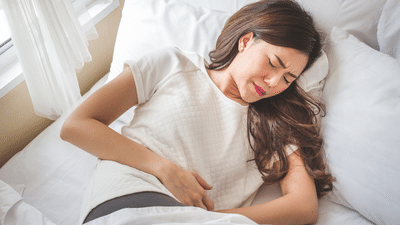
How Early Pregnancy Changes Affect Sensation
Hormonal and physical changes start almost right away after conception in the early stages of pregnancy. Your body starts getting ready for implantation and growth even before you know you're pregnant.
At this moment:
These adjustments can make you feel that something is unbalanced or focused on one side.
Implantation and Localised Sensations
One common reason for one-sided cramping in a very early pregnancy is implantation. When a fertilised egg binds itself to the uterine lining, it can cause mild discomfort.
Implantation-related sensations may:
Because implantation occurs at a specific point in the uterus, the sensation may not be evenly distributed across the lower abdomen.
Ligament Stretching and Support Changes
Ligaments help the uterus stay in place and connect it to other parts of the body. These ligaments become softer and longer when a woman becomes pregnant.
Cramping may seem stronger on one side because ligaments are not always strained uniformly.
Hormonal Influence and Ovarian Activity
The ovary that produced the egg continues to produce hormones in the early stages of pregnancy. It can sometimes create sensations on the side where ovulation occurred.
You may notice:
Pregnancy makes more blood flow to the uterus and the tissues around it. This extra blood flow can cause pressure, warmth, or mild cramping. It may happen because blood vessels don't enlarge evenly:
Changes in hormones during early pregnancy can slow digestion.
Gas buildup and bowel movement changes can sometimes cause discomfort that mimics uterine cramping. Digestive-related discomfort may:
Improve after passing gas or changing posture.
It is a common and often overlooked reason for one-sided cramping.
Differences Between One-Sided Cramps & Period PainUterine contractions usually cause period cramps and tend to feel more central or evenly spread. Early pregnancy cramping can feel different.
One-sided pregnancy-related cramping often:
Understanding this difference can help you interpret what your body is experiencing.
Body Sensations and Emotion
Being emotionally sensitive might make physical feelings during early pregnancy feel stronger. Changes in hormones can make you more conscious of your body.
It could lead to:
In these situations, the feeling is generally linked to regular changes that happen during pregnancy.

When to Pay Attention and Get Medical Help
Most of the time, one-sided cramping isn't a big deal, but some signs need to be evaluated. If you have any of the following, see a doctor:
These signs may indicate you need to see a doctor right now.
Body Support for Mild CrampingGently caring for yourself can help with mild pain. Here are some helpful steps:
Hormones can modify how the neurological system works, which can change how you feel pain in early pregnancy. Small changes in the body might make sensations feel stronger. This increased sensitivity might make regular bodily changes feel stronger or more pronounced.
Trusting Normal Body Changes
Your body is changing to help you get pregnant. This process often causes mild pain. One-sided sensations may not necessarily indicate an issue.
Learning to recognise standard patterns of experience.
In early pregnancy, mild cramping that feels one-sided is common and usually caused by regular changes, including implantation, the uterus adjusting, ligaments stretching, the ovaries working, or the digestive system changing. These feelings commonly come and go, and they are usually easy to deal with. Knowing why cramping can feel confined to one place can help ease your worries and make you more attentive.
Whether you’re pregnant, a new mom, or navigating postpartum, you don’t have to do it alone. Join our support group to connect, share, and support one another.
FAQs on Why Mild Cramping Can Feel One-Sided During Pregnancy
Is it usual to get cramps on one side during early pregnancy?
Yes, slight discomfort on one side is common and is usually caused by changes in the uterus or ligaments. These feelings typically go away within a few hours to a day. If they persist or get worse, talk to your doctor for peace of mind. How long do mild cramps on one side typically last?
It usually lasts only a short time and can come and go over several days. When should you really worry about one-sided cramping?
If the pain is terrible, getting worse, or comes with substantial bleeding or dizziness, you should see a doctor.
Most of the time, mild, one-sided cramping is a typical reaction to changes in your body. During the first several weeks of pregnancy, the uterus, muscles, ligaments, blood flow, and hormones all change quickly. These changes don't always happen at the same time on both sides, which is why pain can feel like it's only on one side.
How Early Pregnancy Changes Affect Sensation
Hormonal and physical changes start almost right away after conception in the early stages of pregnancy. Your body starts getting ready for implantation and growth even before you know you're pregnant.
At this moment:
- Your body is increasing blood flow to the pelvic area.
- That makes the muscles and tissues in the uterus softer.
- Changing the ligaments that hold up the uterus.
- Responding to hormonal signals that change how we feel pain.
These adjustments can make you feel that something is unbalanced or focused on one side.
Implantation and Localised Sensations
One common reason for one-sided cramping in a very early pregnancy is implantation. When a fertilised egg binds itself to the uterine lining, it can cause mild discomfort.
Implantation-related sensations may:
- Feel like light pulling or pressure
- Feel more on one side
- Last for a short period
- Come and go rather than remain constant.
Because implantation occurs at a specific point in the uterus, the sensation may not be evenly distributed across the lower abdomen.
Ligament Stretching and Support Changes
Ligaments help the uterus stay in place and connect it to other parts of the body. These ligaments become softer and longer when a woman becomes pregnant.
- This process can make one side feel sharp or like it's pulling.
- Short twinges when you change positions.
- Discomfort that is more obvious as you move.
Cramping may seem stronger on one side because ligaments are not always strained uniformly.
Hormonal Influence and Ovarian Activity
The ovary that produced the egg continues to produce hormones in the early stages of pregnancy. It can sometimes create sensations on the side where ovulation occurred.
You may notice:
- Mild aching on the side of ovulation
- One-sided pelvic discomfort
- Sensations that resemble ovulation pain
Pregnancy makes more blood flow to the uterus and the tissues around it. This extra blood flow can cause pressure, warmth, or mild cramping. It may happen because blood vessels don't enlarge evenly:
- A sense of fullness on one side
- A dull ache that moves around
- Discomfort that goes away with rest
Changes in hormones during early pregnancy can slow digestion.
Gas buildup and bowel movement changes can sometimes cause discomfort that mimics uterine cramping. Digestive-related discomfort may:
- Feel sharper or more sudden.
- It would be worse on one side, depending on bowel position.
One-sided pregnancy-related cramping often:
- Feels lighter than menstrual cramps
- Comes and goes
- Associated with heavy bleeding
- Feels more like pulling or stretching
Understanding this difference can help you interpret what your body is experiencing.
Body Sensations and Emotion
Being emotionally sensitive might make physical feelings during early pregnancy feel stronger. Changes in hormones can make you more conscious of your body.
It could lead to:
- More attention to slight discomfort.
- Worry about new feelings.
- Mild cramping on one side is usually normal.
- The pain is minor and can be handled.
- There is no significant bleeding.
- Resting makes the pain go away.
- Cramping doesn't get worse with time.
In these situations, the feeling is generally linked to regular changes that happen during pregnancy.
When to Pay Attention and Get Medical Help
Most of the time, one-sided cramping isn't a big deal, but some signs need to be evaluated. If you have any of the following, see a doctor:
- Very bad or intense pain
- Pain that keeps getting worse
- Cramping and severe bleeding at the same time
- Feeling dizzy, pain in the shoulder, or passing out
- Fever or strange discharge
These signs may indicate you need to see a doctor right now.
Body Support for Mild CrampingGently caring for yourself can help with mild pain. Here are some helpful steps:
- When you feel bad, take a break and drink plenty of water.
- If told to, use mild warmth
- Not making sudden moves
- Paying attention to what your body is saying
- Don't treat yourself without a doctor's help.
Hormones can modify how the neurological system works, which can change how you feel pain in early pregnancy. Small changes in the body might make sensations feel stronger. This increased sensitivity might make regular bodily changes feel stronger or more pronounced.
Trusting Normal Body Changes
Your body is changing to help you get pregnant. This process often causes mild pain. One-sided sensations may not necessarily indicate an issue.
Learning to recognise standard patterns of experience.
In early pregnancy, mild cramping that feels one-sided is common and usually caused by regular changes, including implantation, the uterus adjusting, ligaments stretching, the ovaries working, or the digestive system changing. These feelings commonly come and go, and they are usually easy to deal with. Knowing why cramping can feel confined to one place can help ease your worries and make you more attentive.
Whether you’re pregnant, a new mom, or navigating postpartum, you don’t have to do it alone. Join our support group to connect, share, and support one another.
FAQs on Why Mild Cramping Can Feel One-Sided During Pregnancy
Yes, slight discomfort on one side is common and is usually caused by changes in the uterus or ligaments. These feelings typically go away within a few hours to a day. If they persist or get worse, talk to your doctor for peace of mind.
It usually lasts only a short time and can come and go over several days.
If the pain is terrible, getting worse, or comes with substantial bleeding or dizziness, you should see a doctor.
Next Story