
Feeling Stressed? Avoid These 4 Foods That Could Be Making Anxiety Worse

Stress affects more than just your mood, it also changes the way you eat. Many people reach for sweets, coffee, junk food, or even alcohol during difficult times, hoping these comfort foods will help them feel better. While they may offer temporary relief, they can actually increase stress, affect sleep, and leave you feeling even more exhausted.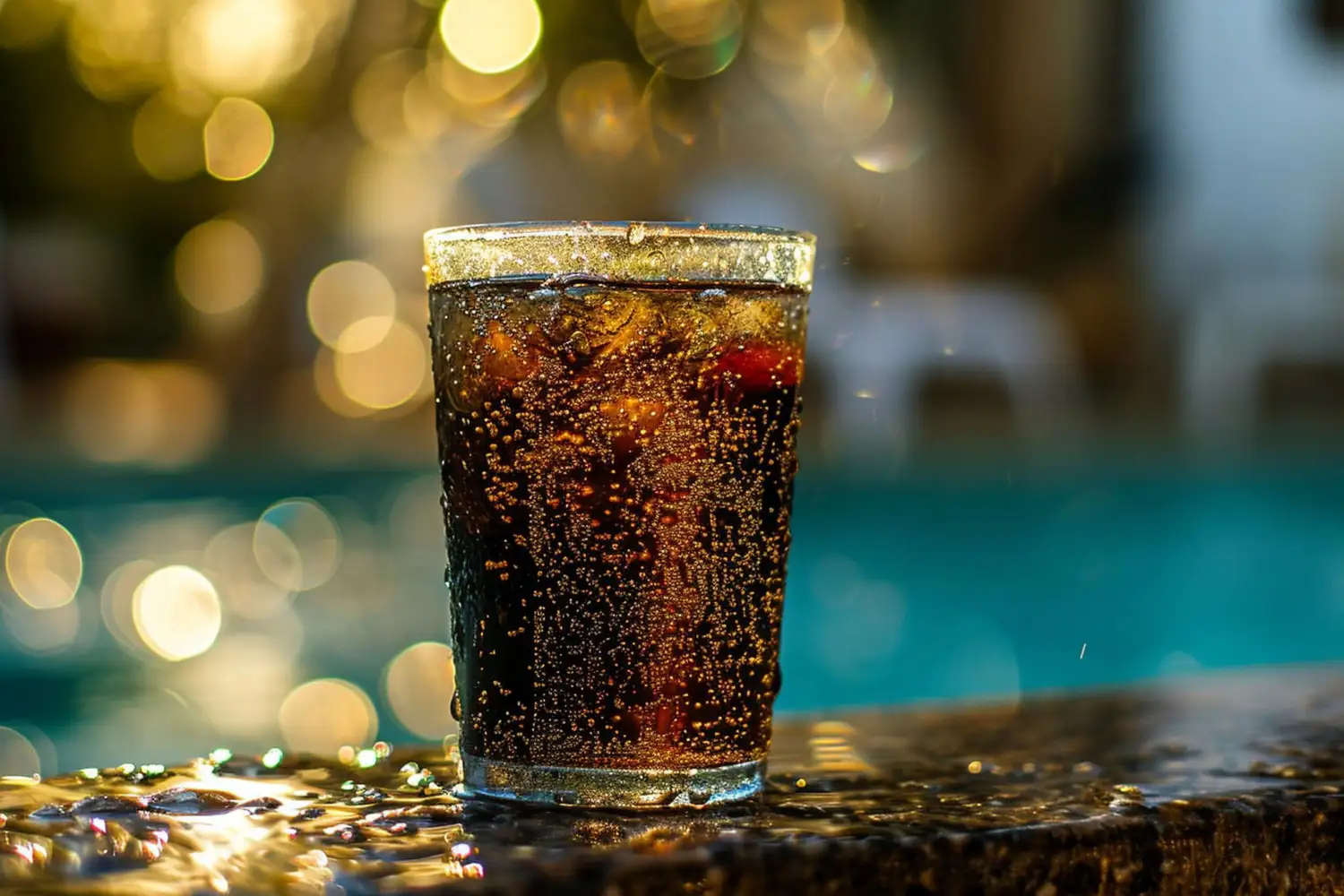
Experts say that making healthier food choices during stressful periods can support both your physical and mental well-being. Here are four foods and drinks you should limit when you're feeling stressed, along with healthier alternatives.
1. Sugary Foods Can Increase Stress Hormones
When stress hits, chocolates, cakes, candies, and sugary snacks often become the first choice. However, eating too much sugar can cause a rapid spike in blood sugar, followed by a sudden crash. This may leave you feeling tired, irritable, and low on energy.
Excess sugar intake may also increase cortisol, the body's primary stress hormone. Higher cortisol levels can interfere with sleep and make it harder for your body to recover from stress.
Healthier alternative: Choose naturally sweet foods like fresh fruits, dates, or yogurt with berries to satisfy cravings without causing a sugar crash.
2. Processed Foods Can Drain Your Energy
Packaged chips, instant noodles, frozen meals, and other processed foods may be convenient, but they are often loaded with unhealthy fats, excess salt, and refined carbohydrates. These foods can lead to sudden fluctuations in blood sugar levels, leaving you feeling sluggish and fatigued.
A diet high in processed foods may also reduce your overall energy levels, making it more difficult to cope with daily stress.
Healthier alternative: Opt for homemade meals, whole grains, nuts, seeds, and fresh vegetables to provide steady energy throughout the day.
3. Alcohol May Worsen Mental Health
Many people believe that drinking alcohol helps them relax after a stressful day. While it may create a temporary feeling of calm, alcohol can disrupt sleep quality and affect brain function.
Poor sleep and dehydration caused by alcohol can make stress, anxiety, and low mood feel even worse the next day. Regular drinking during stressful periods may also increase the risk of long-term mental health problems.
Healthier alternative: Replace alcohol with herbal teas, coconut water, or plain water to stay hydrated and support better sleep.
4. Too Much Caffeine Can Increase Anxiety
Coffee, energy drinks, and strong tea are popular choices for staying alert. However, excessive caffeine can increase your heart rate and make feelings of nervousness or anxiety more intense, especially if you're already under stress.
It may also interfere with sleep, creating a cycle of fatigue and stress.
Healthier alternative: Switch to green tea, caffeine-free herbal teas, or warm lemon water if you need a calming beverage.
Simple Food Choices Can Make a Big Difference
Stress is a part of everyday life, but your diet can influence how your body responds to it. Limiting sugary foods, processed snacks, alcohol, and excessive caffeine while choosing fresh, nutrient-rich foods can help maintain steady energy levels, improve sleep, and support a healthier mood. Small changes in your daily eating habits can go a long way in helping you manage stress more effectively.
Experts say that making healthier food choices during stressful periods can support both your physical and mental well-being. Here are four foods and drinks you should limit when you're feeling stressed, along with healthier alternatives.
1. Sugary Foods Can Increase Stress Hormones
When stress hits, chocolates, cakes, candies, and sugary snacks often become the first choice. However, eating too much sugar can cause a rapid spike in blood sugar, followed by a sudden crash. This may leave you feeling tired, irritable, and low on energy.Excess sugar intake may also increase cortisol, the body's primary stress hormone. Higher cortisol levels can interfere with sleep and make it harder for your body to recover from stress.
Healthier alternative: Choose naturally sweet foods like fresh fruits, dates, or yogurt with berries to satisfy cravings without causing a sugar crash.
2. Processed Foods Can Drain Your Energy
Packaged chips, instant noodles, frozen meals, and other processed foods may be convenient, but they are often loaded with unhealthy fats, excess salt, and refined carbohydrates. These foods can lead to sudden fluctuations in blood sugar levels, leaving you feeling sluggish and fatigued. A diet high in processed foods may also reduce your overall energy levels, making it more difficult to cope with daily stress.
Healthier alternative: Opt for homemade meals, whole grains, nuts, seeds, and fresh vegetables to provide steady energy throughout the day.
3. Alcohol May Worsen Mental Health
Many people believe that drinking alcohol helps them relax after a stressful day. While it may create a temporary feeling of calm, alcohol can disrupt sleep quality and affect brain function.You may also like
- Field trips enhance learning: Bridging classroom theory with real-world application and student engagement
- Before the 24th installment of the PM Kisan Yojana, farmers will get a gift of ₹3.15 lakh crore..
- EPFO 3.0 FAQs: August is here—can PF money now be withdrawn via UPI and ATM? EPFO Commissioner clarifies the situation..
Poor sleep and dehydration caused by alcohol can make stress, anxiety, and low mood feel even worse the next day. Regular drinking during stressful periods may also increase the risk of long-term mental health problems.
Healthier alternative: Replace alcohol with herbal teas, coconut water, or plain water to stay hydrated and support better sleep.
4. Too Much Caffeine Can Increase Anxiety
Coffee, energy drinks, and strong tea are popular choices for staying alert. However, excessive caffeine can increase your heart rate and make feelings of nervousness or anxiety more intense, especially if you're already under stress. It may also interfere with sleep, creating a cycle of fatigue and stress.
Healthier alternative: Switch to green tea, caffeine-free herbal teas, or warm lemon water if you need a calming beverage.
Simple Food Choices Can Make a Big Difference
Stress is a part of everyday life, but your diet can influence how your body responds to it. Limiting sugary foods, processed snacks, alcohol, and excessive caffeine while choosing fresh, nutrient-rich foods can help maintain steady energy levels, improve sleep, and support a healthier mood. Small changes in your daily eating habits can go a long way in helping you manage stress more effectively. 





Loving Newspoint? Download the app now
