
Cat Losing Weight Without Warning? 8 Health Problems Pet Parents Should Know About

Cats are often good at hiding discomfort, making it difficult for pet parents to recognise when something is wrong. A cat that continues to eat, play and behave normally may appear perfectly healthy, even as its body condition changes. However, unexplained weight loss should not be dismissed as a minor change, particularly when it happens suddenly or continues over time.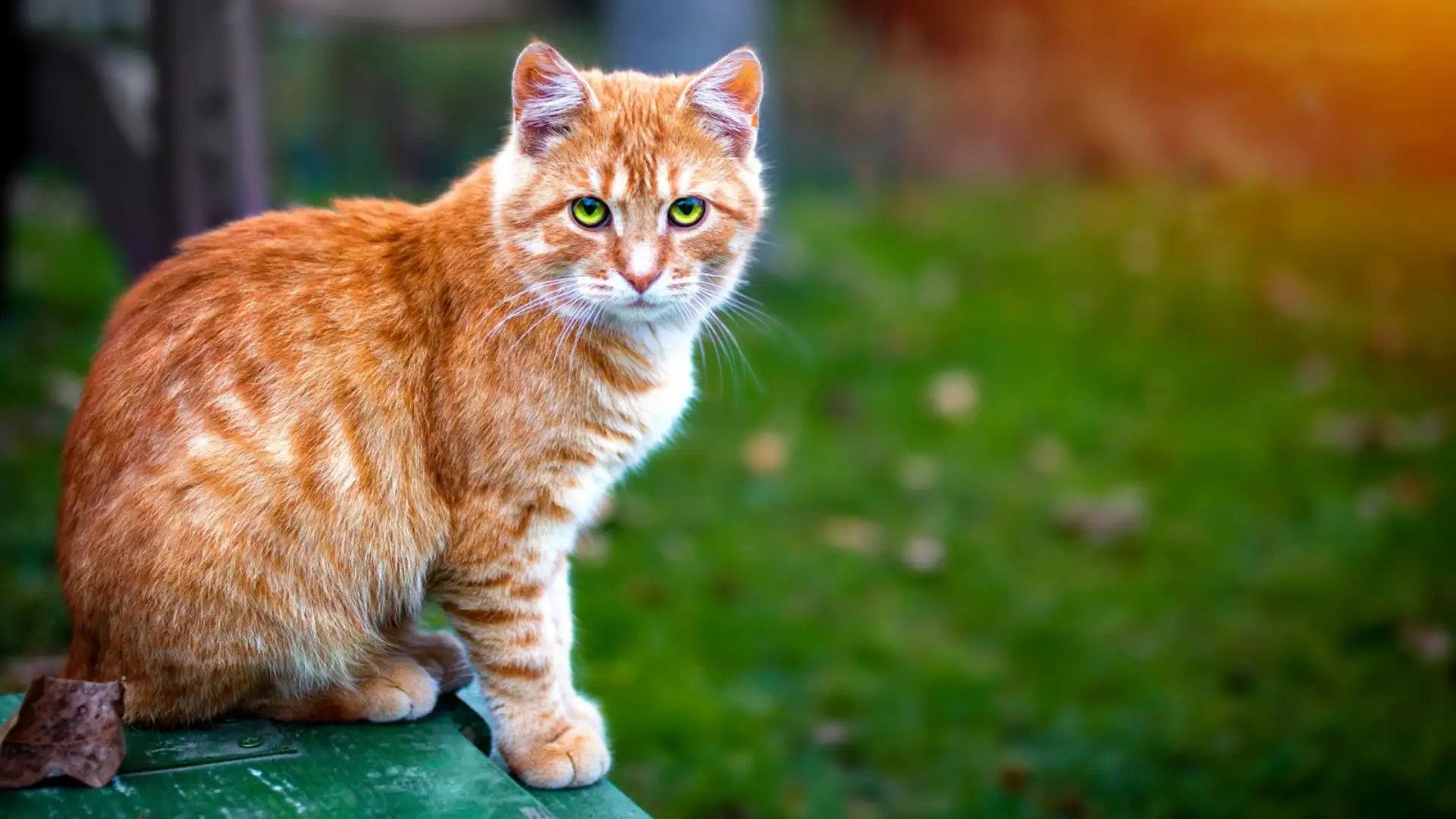
While inadequate food intake can contribute to weight loss, the problem may also be linked to digestive disorders, dental disease, hormonal imbalances or chronic illnesses. Some conditions can cause cats to lose weight even when their appetite remains unchanged or increases. Recognising these changes and seeking veterinary advice can help identify the underlying cause before complications develop.
Image caption: Unexplained weight loss in cats may indicate an underlying health problem, even when other symptoms are not immediately visible.
Pet parents may notice weight loss alongside vomiting, diarrhoea, changes in appetite or alterations in bowel movements. However, symptoms can vary depending on the underlying condition. A veterinary examination can help establish whether parasites, inflammation or another digestive problem is responsible.
Other possible warning signs include bad breath, excessive salivation and changes in chewing behaviour. Because cats may continue attempting to eat despite discomfort, dental disease can go unnoticed until weight loss becomes apparent. Persistent changes in eating habits warrant a veterinary assessment.
A cat may lose body fat and muscle gradually, with other symptoms becoming noticeable only later. However, weight loss alone does not mean a cat has cancer. Veterinary examination and appropriate diagnostic tests are necessary to investigate the cause and determine whether further evaluation is needed.
Pet parents might notice increased thirst, more frequent urination, reduced appetite, vomiting or gradual weight loss. Some signs develop slowly, making changes difficult to identify without regular observation. A veterinarian may recommend blood tests and urine analysis to assess kidney function and investigate other possible causes.
Other signs can include increased thirst and urination. Some cats may also become less active or show changes in their general condition. If these symptoms occur together, pet parents should arrange a veterinary consultation rather than attempting to manage the problem through dietary changes alone.
Unusual tiredness, changes in breathing or a noticeable decline in activity should be taken seriously, particularly when accompanied by unexplained weight loss. Breathing difficulty, especially open-mouth breathing or obvious respiratory distress, requires emergency veterinary attention.
Affected cats may continue eating normally or even develop an increased appetite while becoming progressively thinner. Other possible signs include restlessness, increased thirst, frequent urination, vomiting, diarrhoea and changes in coat condition.
Because these symptoms can overlap with other medical conditions, a veterinarian may recommend thyroid hormone testing alongside blood and urine investigations. Early diagnosis can help establish an appropriate treatment plan.
Affected cats may experience reduced appetite, nausea, lethargy, vomiting or weight loss. Some may show very few obvious signs at home. If a cat's weight or eating habits change unexpectedly, a veterinarian can determine whether pancreatitis or another gastrointestinal or systemic condition needs to be investigated.
Increased thirst and frequent urination alongside weight loss are particularly important changes to monitor. They can occur with diabetes, kidney disease and certain hormonal disorders, although they do not establish a diagnosis on their own.
Pet parents should also consider whether there have been changes in feeding routines, food portions or access to food in multi-cat households. Nevertheless, unexplained or persistent weight loss should be assessed by a veterinarian rather than attributed solely to diet or ageing. Blood tests, urine analysis and other investigations may be recommended depending on the cat's symptoms and examination findings.
In the meantime, pet parents can take a few practical steps:
Seek emergency veterinary care if your cat has difficulty breathing, collapses or appears severely unwell. If your cat stops eating, contact a veterinarian promptly rather than waiting for additional symptoms.
Monitoring your cat's weight, appetite and everyday behaviour can help you recognise changes early. Although weight loss does not automatically indicate a serious illness, identifying its cause is essential to ensuring that your pet receives appropriate care.
Disclaimer: This article is intended for general informational purposes only and is not a substitute for professional veterinary advice, diagnosis or treatment. Consult a qualified veterinarian regarding concerns about your cat's health.
While inadequate food intake can contribute to weight loss, the problem may also be linked to digestive disorders, dental disease, hormonal imbalances or chronic illnesses. Some conditions can cause cats to lose weight even when their appetite remains unchanged or increases. Recognising these changes and seeking veterinary advice can help identify the underlying cause before complications develop.
Image caption: Unexplained weight loss in cats may indicate an underlying health problem, even when other symptoms are not immediately visible.
8 Possible Reasons Your Cat Is Losing Weight
1. Intestinal Problems and Parasites
Digestive disorders and intestinal parasites can interfere with the body's ability to absorb nutrients properly. Even when a cat consumes enough food, gastrointestinal problems may prevent it from benefiting fully from its diet.Pet parents may notice weight loss alongside vomiting, diarrhoea, changes in appetite or alterations in bowel movements. However, symptoms can vary depending on the underlying condition. A veterinary examination can help establish whether parasites, inflammation or another digestive problem is responsible.
2. Dental Disease
Dental problems can make eating uncomfortable or painful. Cats experiencing oral pain may approach their food bowls but eat less, drop food while chewing or avoid food that is difficult to bite.Other possible warning signs include bad breath, excessive salivation and changes in chewing behaviour. Because cats may continue attempting to eat despite discomfort, dental disease can go unnoticed until weight loss becomes apparent. Persistent changes in eating habits warrant a veterinary assessment.
3. Cancer
Unexplained weight loss can sometimes be associated with cancer. Certain tumours and cancers affecting the digestive system or other organs may interfere with normal metabolism, appetite or nutrient absorption.A cat may lose body fat and muscle gradually, with other symptoms becoming noticeable only later. However, weight loss alone does not mean a cat has cancer. Veterinary examination and appropriate diagnostic tests are necessary to investigate the cause and determine whether further evaluation is needed.
4. Chronic Kidney Disease
Chronic kidney disease is an important health concern, particularly in older cats. As kidney function declines, affected animals may experience changes in appetite, body condition and hydration.Pet parents might notice increased thirst, more frequent urination, reduced appetite, vomiting or gradual weight loss. Some signs develop slowly, making changes difficult to identify without regular observation. A veterinarian may recommend blood tests and urine analysis to assess kidney function and investigate other possible causes.
5. Diabetes Mellitus
One noticeable warning pattern is weight loss despite a normal or increased appetite. In cats with diabetes mellitus, the body cannot use glucose effectively because of problems involving insulin production or response. As a result, the body may break down fat and muscle for energy.Other signs can include increased thirst and urination. Some cats may also become less active or show changes in their general condition. If these symptoms occur together, pet parents should arrange a veterinary consultation rather than attempting to manage the problem through dietary changes alone.
6. Heart Disease
Certain heart conditions can affect a cat's overall health and may be associated with changes in appetite, energy levels and body condition. Weight loss may occur alongside other signs, although it is not specific to heart disease.Unusual tiredness, changes in breathing or a noticeable decline in activity should be taken seriously, particularly when accompanied by unexplained weight loss. Breathing difficulty, especially open-mouth breathing or obvious respiratory distress, requires emergency veterinary attention.
7. Hyperthyroidism
Hyperthyroidism occurs when the thyroid gland produces excessive amounts of thyroid hormones, increasing the body's metabolic rate. It is a recognised cause of weight loss in middle-aged and older cats.Affected cats may continue eating normally or even develop an increased appetite while becoming progressively thinner. Other possible signs include restlessness, increased thirst, frequent urination, vomiting, diarrhoea and changes in coat condition.
Because these symptoms can overlap with other medical conditions, a veterinarian may recommend thyroid hormone testing alongside blood and urine investigations. Early diagnosis can help establish an appropriate treatment plan.
8. Pancreatitis
Pancreatitis refers to inflammation of the pancreas, an organ involved in digestion and blood sugar regulation. In cats, the condition can be difficult to recognise because symptoms may be subtle or nonspecific.Affected cats may experience reduced appetite, nausea, lethargy, vomiting or weight loss. Some may show very few obvious signs at home. If a cat's weight or eating habits change unexpectedly, a veterinarian can determine whether pancreatitis or another gastrointestinal or systemic condition needs to be investigated.
Why Is Your Cat Losing Weight Despite Eating Normally?
A cat that continues to eat but steadily loses weight may be consuming enough food without using its nutrients and energy effectively. This pattern can occur with conditions such as diabetes and hyperthyroidism, in which changes in metabolism contribute to weight loss. Digestive disorders may also interfere with nutrient absorption.Increased thirst and frequent urination alongside weight loss are particularly important changes to monitor. They can occur with diabetes, kidney disease and certain hormonal disorders, although they do not establish a diagnosis on their own.
Pet parents should also consider whether there have been changes in feeding routines, food portions or access to food in multi-cat households. Nevertheless, unexplained or persistent weight loss should be assessed by a veterinarian rather than attributed solely to diet or ageing. Blood tests, urine analysis and other investigations may be recommended depending on the cat's symptoms and examination findings.
What Should Pet Parents Do If Their Cat Is Losing Weight?
The first step is to arrange a veterinary appointment, particularly if the weight loss is sudden, persistent or accompanied by other changes in behaviour or health. Do not assume that a cat is healthy simply because it continues eating or playing.In the meantime, pet parents can take a few practical steps:
- Monitor body weight: Record weight periodically, where possible, to identify whether the change is continuing.
- Observe eating habits: Note whether the cat is eating less, eating more than usual or struggling to chew.
- Track water consumption: Increased thirst or changes in urination can provide useful information for the veterinarian.
- Watch for additional symptoms: Record vomiting, diarrhoea, unusual tiredness, changes in grooming and alterations in litter-box habits.
- Avoid self-treatment: Do not administer human medicines, supplements or drastic dietary changes without veterinary guidance.
When Should You Consult a Veterinarian?
Any unexplained weight loss deserves attention, particularly when it happens rapidly or continues despite a normal appetite. A veterinary appointment becomes especially important when weight loss occurs alongside increased thirst, frequent urination, vomiting, diarrhoea, reduced appetite, visible muscle loss or unusual lethargy.Seek emergency veterinary care if your cat has difficulty breathing, collapses or appears severely unwell. If your cat stops eating, contact a veterinarian promptly rather than waiting for additional symptoms.
Monitoring your cat's weight, appetite and everyday behaviour can help you recognise changes early. Although weight loss does not automatically indicate a serious illness, identifying its cause is essential to ensuring that your pet receives appropriate care.
Disclaimer: This article is intended for general informational purposes only and is not a substitute for professional veterinary advice, diagnosis or treatment. Consult a qualified veterinarian regarding concerns about your cat's health.
Next Story