
Why Fermented Pickles Are Different From Vinegar Pickles: Everything You Need to Know

Pickles have been enjoyed for thousands of years, adding a sharp, tangy flavour to meals across many cultures. Although jars of pickles may look similar on supermarket shelves, not all pickles are made the same way. The biggest difference lies in how they achieve their distinctive taste. Traditional fermented pickles develop naturally through beneficial bacteria, while vinegar pickles rely on acidic brine for quick preservation. This difference affects everything from flavour and texture to nutritional value and shelf life. Understanding how these two methods work can help you choose the type of pickle that best suits your taste and dietary preferences.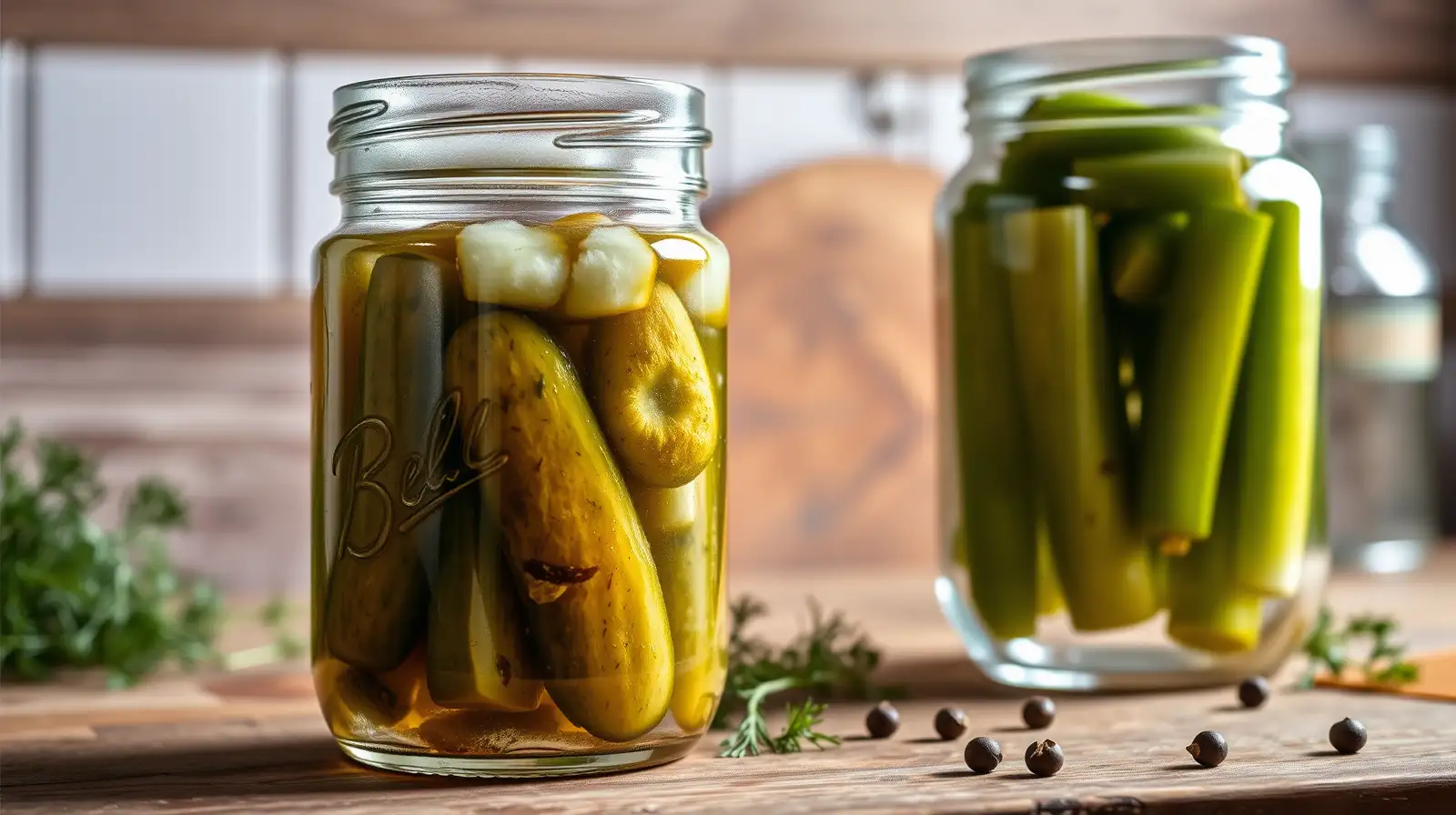
Vinegar pickles skip this natural fermentation. Instead, vegetables are immersed in a vinegar-based solution that provides acidity immediately. This allows manufacturers and home cooks to produce pickles much more quickly.
Vinegar pickles usually have a sharper, more direct tang because the acidity comes straight from the vinegar rather than being produced naturally. Some people prefer this bold flavour, while others enjoy the milder complexity of fermented varieties.
Two Different Preservation Methods
The main distinction between fermented pickles and vinegar pickles is the preservation process. Fermented pickles are made by soaking fresh vegetables in a saltwater brine. Naturally occurring bacteria convert the vegetables' natural sugars into lactic acid, creating an acidic environment that preserves the food.Vinegar pickles skip this natural fermentation. Instead, vegetables are immersed in a vinegar-based solution that provides acidity immediately. This allows manufacturers and home cooks to produce pickles much more quickly.
Fermentation Creates a More Complex Flavour
One reason fermented pickles have remained popular for centuries is their layered taste. As fermentation progresses, the flavour develops gradually, creating subtle sour notes with earthy and savoury characteristics.Vinegar pickles usually have a sharper, more direct tang because the acidity comes straight from the vinegar rather than being produced naturally. Some people prefer this bold flavour, while others enjoy the milder complexity of fermented varieties.
Next Story