
Fiber-Rich Foods That Will Boost Your Weight Loss Journey

When it comes to shedding those extra pounds, fiber-rich foods are your best ally. Not only do they promote satiety, but they also improve digestion and contribute to overall health. Here’s everything you need to know about incorporating fiber into your diet for effective weight loss .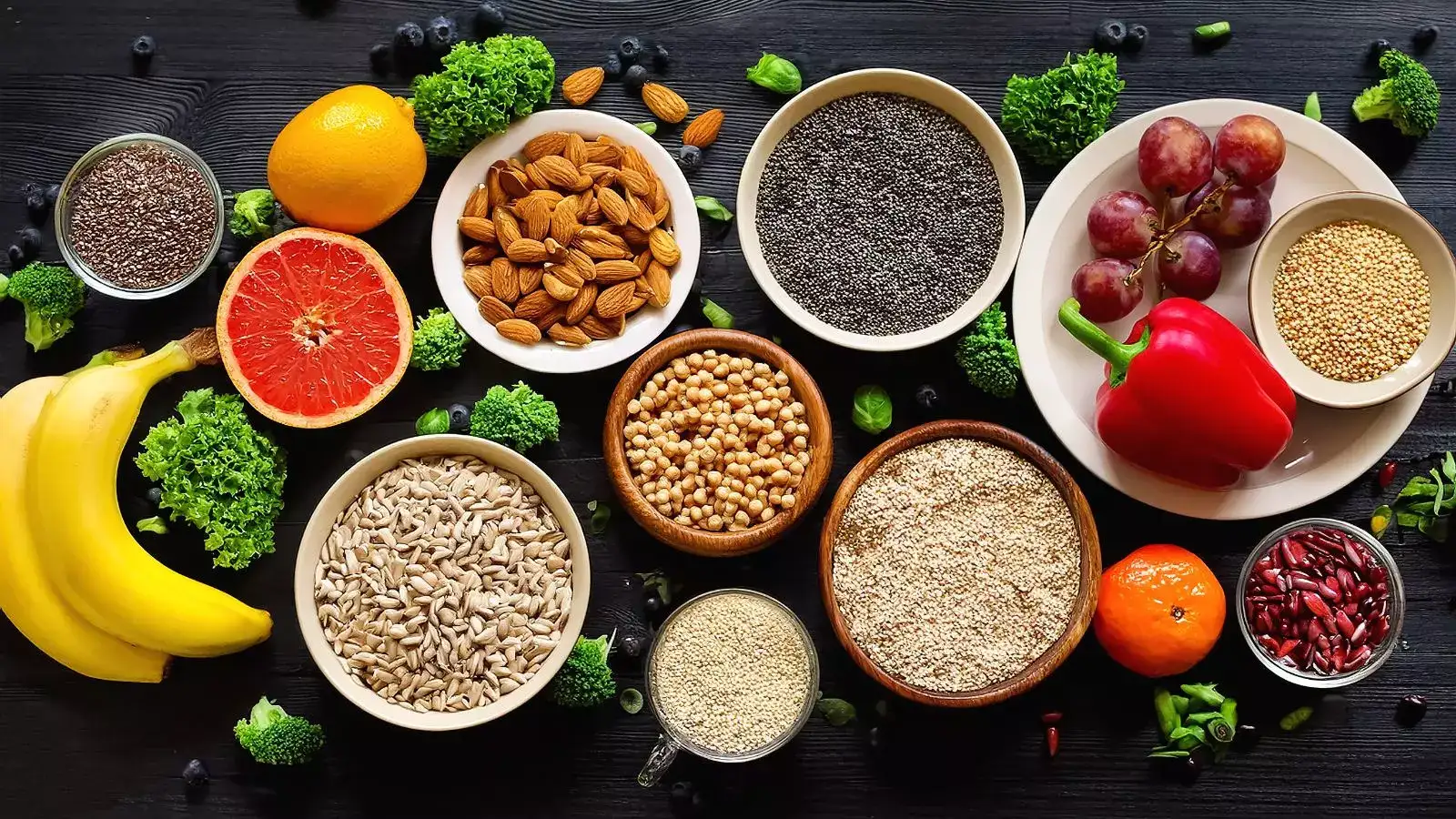
Why Fiber is Essential for Weight Loss
Fiber is a type of carbohydrate that the body cannot digest. Unlike other carbs that break down into sugar, fiber passes through the digestive system relatively intact. This unique property offers several weight-loss benefits:
Promotes Fullness: Foods rich in fiber take longer to chew and digest, helping you feel full for longer periods.
Regulates Blood Sugar: Fiber slows the absorption of sugar, preventing blood sugar spikes and crashes.
Supports Digestive Health: It adds bulk to stool, preventing constipation and promoting a healthy gut.
Top Fiber-Rich Foods for Weight Loss
Legumes
Examples: Lentils, black beans, chickpeas
Benefits: High in protein and fiber, legumes are perfect for keeping you full and energized.
Serving Tip: Add them to soups, salads, or make a hearty stew.
Whole Grains
Examples: Oats, quinoa, brown rice, whole wheat bread
Benefits: Packed with fiber and essential nutrients, whole grains provide sustained energy.
Serving Tip: Opt for whole-grain pasta or bread to make your meals fiber-rich.
Fruits
Examples: Apples, pears, berries, oranges
Benefits: Rich in soluble fiber and antioxidants, fruits are great for satisfying sweet cravings.
Serving Tip: Keep the skin on fruits like apples and pears for added fiber.
Vegetables
Examples: Broccoli, carrots, spinach, kale
Benefits: Low in calories but high in fiber, veggies are ideal for weight loss.
Serving Tip: Include a variety of colorful vegetables in your meals for maximum nutrition.
Nuts and Seeds
Examples: Chia seeds, flaxseeds, almonds, walnuts
Benefits: These are dense in fiber and healthy fats, which help curb hunger.
Serving Tip: Sprinkle them on yogurt, oatmeal, or salads for a nutritious boost.
Root Vegetables
Examples: Sweet potatoes, beets, carrots
Benefits: High in fiber and vitamins, root vegetables are versatile and filling.
Serving Tip: Roast them for a delicious side dish or snack.
High-Fiber Snacks
Examples: Popcorn, whole-grain crackers, dried fruits
Benefits: Convenient and satisfying, these snacks can keep hunger at bay between meals.
Tips to Incorporate More Fiber Into Your Diet
Start Gradually: Increase fiber intake slowly to prevent digestive discomfort.
Hydrate Well: Drink plenty of water to help fiber move smoothly through the digestive tract.
Read Labels: Look for foods labeled “high in fiber” or “whole grain.”
Combine Foods: Pair fiber-rich foods with protein and healthy fats for balanced meals.
Adding fiber-rich foods to your diet is a sustainable and effective way to lose weight. These foods not only help control your appetite but also provide essential nutrients that support overall health. By making simple changes, like choosing whole grains over refined ones and adding more fruits and vegetables to your plate, you can enjoy delicious meals while working toward your weight-loss goals. Start small, stay consistent, and watch the pounds melt away!
Why Fiber is Essential for Weight Loss
Fiber is a type of carbohydrate that the body cannot digest. Unlike other carbs that break down into sugar, fiber passes through the digestive system relatively intact. This unique property offers several weight-loss benefits:
Promotes Fullness: Foods rich in fiber take longer to chew and digest, helping you feel full for longer periods.
Regulates Blood Sugar: Fiber slows the absorption of sugar, preventing blood sugar spikes and crashes.
Supports Digestive Health: It adds bulk to stool, preventing constipation and promoting a healthy gut.
Top Fiber-Rich Foods for Weight Loss
Legumes
Examples: Lentils, black beans, chickpeas
Benefits: High in protein and fiber, legumes are perfect for keeping you full and energized.
Serving Tip: Add them to soups, salads, or make a hearty stew.
Whole Grains
Examples: Oats, quinoa, brown rice, whole wheat bread
Benefits: Packed with fiber and essential nutrients, whole grains provide sustained energy.
Serving Tip: Opt for whole-grain pasta or bread to make your meals fiber-rich.
Fruits
Examples: Apples, pears, berries, oranges
Benefits: Rich in soluble fiber and antioxidants, fruits are great for satisfying sweet cravings.
Serving Tip: Keep the skin on fruits like apples and pears for added fiber.
Vegetables
Examples: Broccoli, carrots, spinach, kale
Benefits: Low in calories but high in fiber, veggies are ideal for weight loss.
Serving Tip: Include a variety of colorful vegetables in your meals for maximum nutrition.
Nuts and Seeds
Examples: Chia seeds, flaxseeds, almonds, walnuts
Benefits: These are dense in fiber and healthy fats, which help curb hunger.
Serving Tip: Sprinkle them on yogurt, oatmeal, or salads for a nutritious boost.
Root Vegetables
Examples: Sweet potatoes, beets, carrots
Benefits: High in fiber and vitamins, root vegetables are versatile and filling.
You may also like
- 6 Screaming Signs of Social Awkwardness
- 7 Most Scenic Sunrise & Sunset Spots in the Andaman Islands
- Essential Hygiene Tips for Kids During the Rainy Season
- Essential Parenting Tips for Teens: Strengthening Your Bond
- LPG Rate Today: Check the latest LPG rates and find out the cost of a 14 kg gas cylinder today.
Serving Tip: Roast them for a delicious side dish or snack.
High-Fiber Snacks
Examples: Popcorn, whole-grain crackers, dried fruits
Benefits: Convenient and satisfying, these snacks can keep hunger at bay between meals.
Tips to Incorporate More Fiber Into Your Diet
Start Gradually: Increase fiber intake slowly to prevent digestive discomfort.
Hydrate Well: Drink plenty of water to help fiber move smoothly through the digestive tract.
Read Labels: Look for foods labeled “high in fiber” or “whole grain.”
Combine Foods: Pair fiber-rich foods with protein and healthy fats for balanced meals.
Adding fiber-rich foods to your diet is a sustainable and effective way to lose weight. These foods not only help control your appetite but also provide essential nutrients that support overall health. By making simple changes, like choosing whole grains over refined ones and adding more fruits and vegetables to your plate, you can enjoy delicious meals while working toward your weight-loss goals. Start small, stay consistent, and watch the pounds melt away!






Loving Newspoint? Download the app now
