
Why Finger Limes Are Becoming the Unexpected Fruit of the Digital Wellness Era

Most people have never heard of finger limes . Even among fruit lovers, they remain surprisingly unfamiliar outside high end restaurants and speciality food markets. Native to Australia, these unusual citrus fruits look more like tiny cucumbers than traditional limes. When sliced open, they reveal pearl like citrus beads that burst with sharp flavour.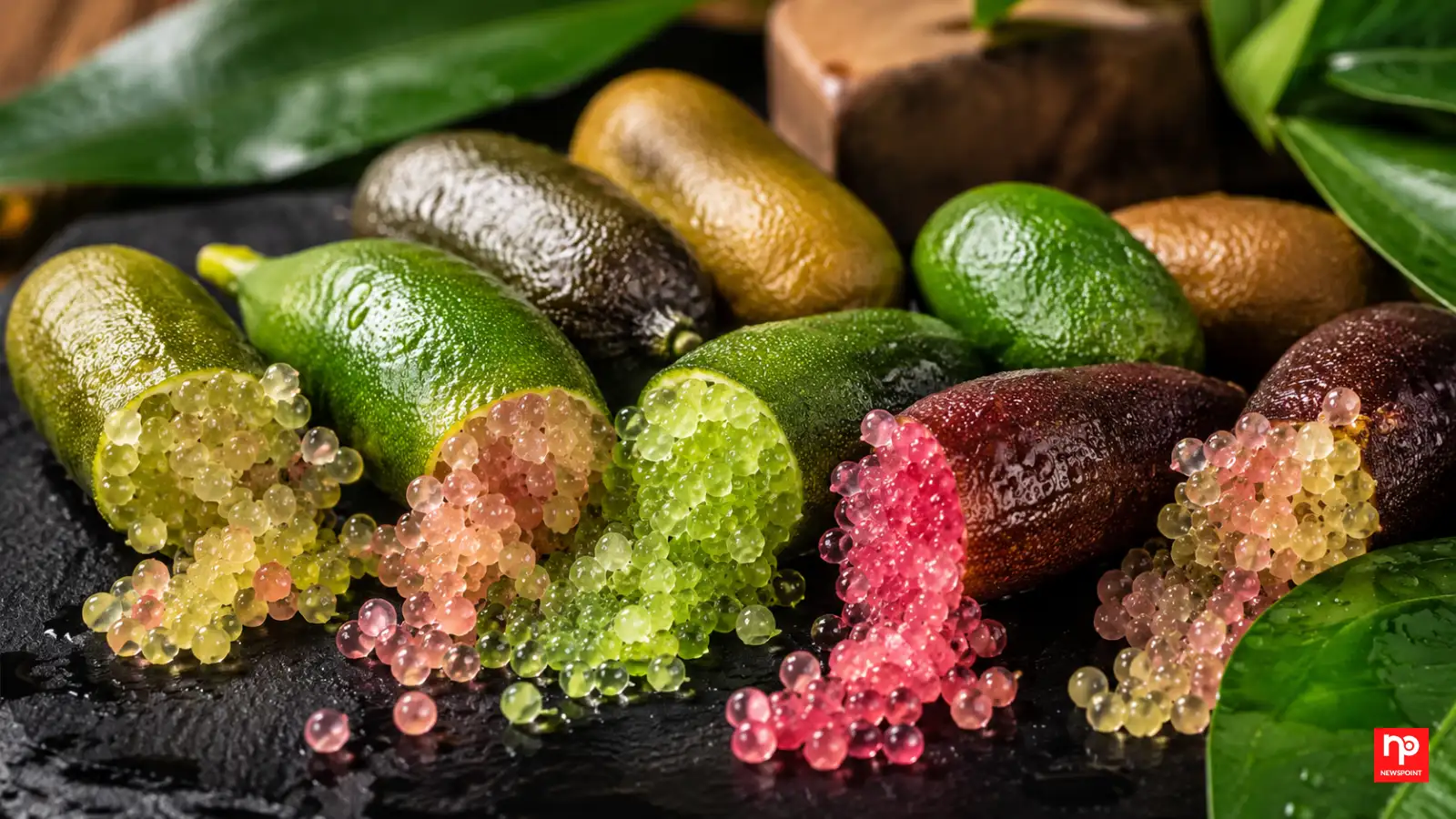
Yet finger limes are beginning to attract attention for reasons that go far beyond presentation on expensive plates.
As digital wellness culture grows, consumers are increasingly searching for foods that combine nutrition, sustainability, novelty, and sensory experience. Finger limes sit right at the intersection of those trends.
Modern supply chain technology now allows speciality growers to transport fragile fruits across continents while maintaining freshness. Smart humidity control, AI powered storage monitoring, and predictive shipping systems help reduce waste during transit.
This matters because finger limes are not mass produced like oranges or lemons. They remain niche crops, often grown in smaller orchards using precision farming methods.
Some growers are also using soil mapping technology and automated nutrient analysis to improve fruit consistency without excessive pesticide use. Consumers interested in sustainable eating are paying close attention to these farming methods.
But unlike many viral food trends, finger limes also bring practical value. They contain vitamin C, antioxidants, and strong citrus oils while adding intense flavour in very small quantities.
Many chefs now use them to reduce the need for heavier sauces or artificial flavouring. Health conscious home cooks are experimenting with them in sparkling water, yoghurt bowls, seafood dishes, and alcohol free drinks.
The rise of food tracking apps and personalised nutrition platforms has also influenced interest in speciality fruits . Consumers increasingly want foods that feel functional as well as interesting.
As a result, many consumers are seeking foods that feel more tactile, natural, and engaging. Finger limes create a sensory experience that feels noticeably different from standard snacks or packaged wellness products.
Food psychologists have increasingly discussed how texture, aroma, and visual appearance influence satisfaction and mindful eating habits. The tiny citrus pearls inside finger limes encourage slower eating and stronger flavour awareness.
That may sound minor, but it reflects a larger shift in how modern consumers think about wellbeing.
Still, their growing popularity reveals something important about current food culture. Consumers are becoming more curious about where food comes from, how it is grown, and how it fits into broader lifestyle habits shaped by technology.
In many ways, finger limes symbolise the modern wellness era itself. They are unusual, visually driven, tech supported, health conscious, and deeply connected to changing consumer behaviour.
Sometimes the most interesting shifts in modern life begin with the foods people have never noticed before.
Yet finger limes are beginning to attract attention for reasons that go far beyond presentation on expensive plates.
As digital wellness culture grows, consumers are increasingly searching for foods that combine nutrition, sustainability, novelty, and sensory experience. Finger limes sit right at the intersection of those trends.
The Technology Behind Their Growing Popularity
Finger limes are delicate fruits that historically struggled with large scale distribution. Their thin skin and unusual texture made transportation difficult. However, improvements in agricultural logistics and climate controlled packaging have changed that dramatically.Modern supply chain technology now allows speciality growers to transport fragile fruits across continents while maintaining freshness. Smart humidity control, AI powered storage monitoring, and predictive shipping systems help reduce waste during transit.
This matters because finger limes are not mass produced like oranges or lemons. They remain niche crops, often grown in smaller orchards using precision farming methods.
Some growers are also using soil mapping technology and automated nutrient analysis to improve fruit consistency without excessive pesticide use. Consumers interested in sustainable eating are paying close attention to these farming methods.
Why Social Media Changed Everything
Finger limes owe much of their recent visibility to visual culture online. Their pearl like texture photographs extremely well, especially in short food videos and wellness content.But unlike many viral food trends, finger limes also bring practical value. They contain vitamin C, antioxidants, and strong citrus oils while adding intense flavour in very small quantities.
You may also like
- Bhumika Shajwani Winner Of Mrs Earth Elite 2026: Behind the crowning moment lay months of rigorous preparation, she says
- Why Crying Cannot Stop Death, According to Garuda Purana
- Significance of Shravan Month: Eclipses and Worship of Lord Shiva
- Understanding Morning Headaches: Causes and Solutions
- Heart attack: Are you at risk for a heart attack? This test, which costs just ₹300, can save your life
Many chefs now use them to reduce the need for heavier sauces or artificial flavouring. Health conscious home cooks are experimenting with them in sparkling water, yoghurt bowls, seafood dishes, and alcohol free drinks.
The rise of food tracking apps and personalised nutrition platforms has also influenced interest in speciality fruits . Consumers increasingly want foods that feel functional as well as interesting.
The Connection Between Food and Digital Fatigue
One unexpected reason behind the appeal of fruits like finger limes is sensory fatigue. People spend much of their day looking at screens, scrolling through repetitive content, and consuming heavily processed products.As a result, many consumers are seeking foods that feel more tactile, natural, and engaging. Finger limes create a sensory experience that feels noticeably different from standard snacks or packaged wellness products.
Food psychologists have increasingly discussed how texture, aroma, and visual appearance influence satisfaction and mindful eating habits. The tiny citrus pearls inside finger limes encourage slower eating and stronger flavour awareness.
That may sound minor, but it reflects a larger shift in how modern consumers think about wellbeing.
A Small Fruit Reflecting Bigger Lifestyle Changes
Finger limes are unlikely to replace mainstream citrus fruits anytime soon. Their rarity and higher cost will probably keep them within speciality markets for now.Still, their growing popularity reveals something important about current food culture. Consumers are becoming more curious about where food comes from, how it is grown, and how it fits into broader lifestyle habits shaped by technology.
In many ways, finger limes symbolise the modern wellness era itself. They are unusual, visually driven, tech supported, health conscious, and deeply connected to changing consumer behaviour.
Sometimes the most interesting shifts in modern life begin with the foods people have never noticed before.






Loving Newspoint? Download the app now
