
Natural or Lab-Grown? 8 Things to Know Before Buying a Diamond

Buying a diamond for the first time can feel exciting and overwhelming at the same time. With so many choices in size, shape, quality, and price, it’s easy to get confused. Whether you're shopping for an engagement ring, a special gift, or an investment piece, understanding the basics will help you make a smart decision. Here are eight essential things every first-time diamond buyer should know.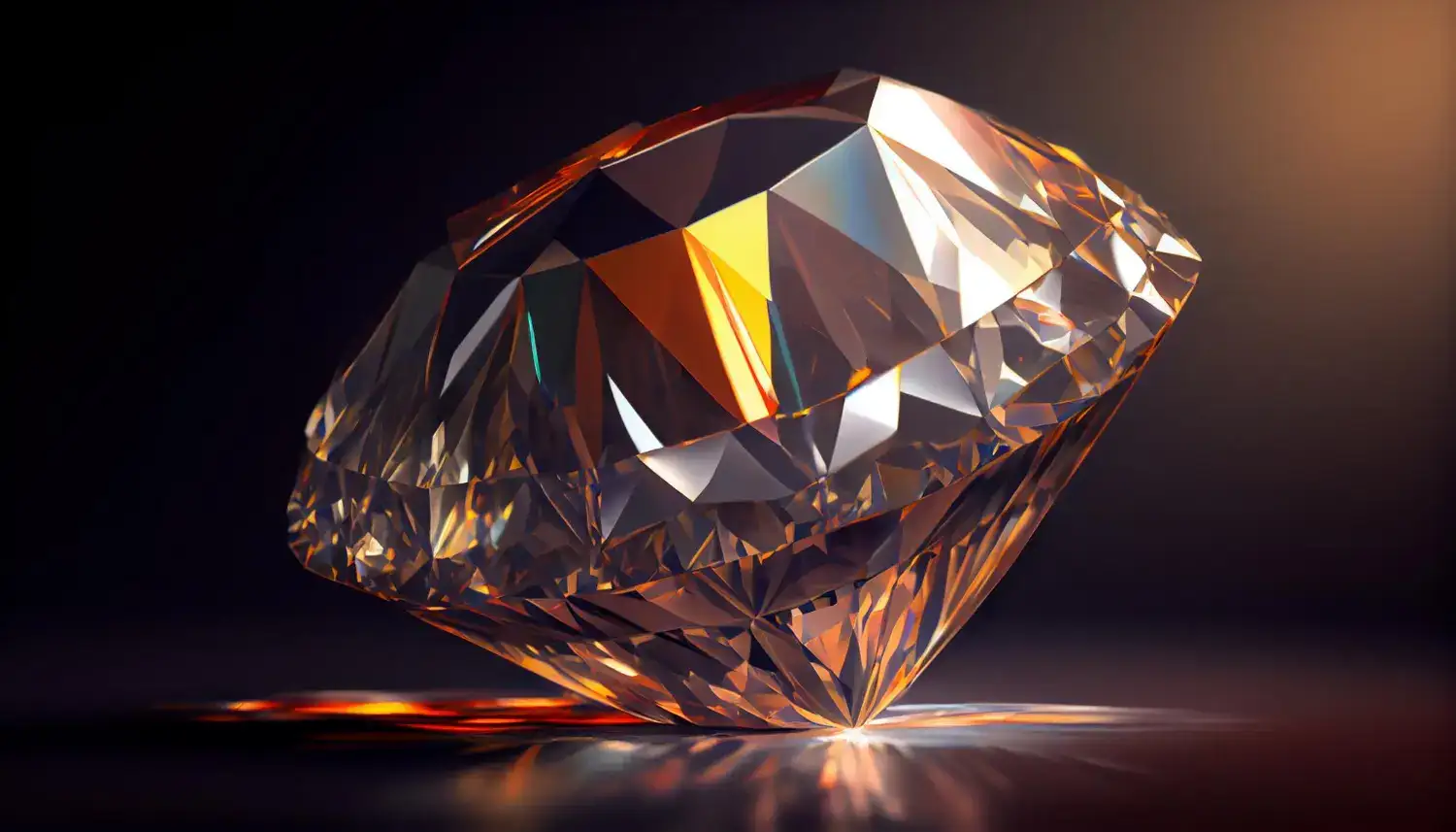
1. Set a Realistic Budget First
Before stepping into a jewellery store, decide how much you are comfortable spending. There is no fixed rule that says you must spend a certain percentage of your income on a diamond. Prices can range from a few thousand rupees to several lakhs depending on size and quality. Having a clear budget narrows your options and prevents overspending.
2. Learn the 4Cs
The value of a diamond is determined by the 4Cs:
3. Choose the Right Shape
Shape refers to the outline of the diamond. Popular options include round, princess, oval, cushion, pear, and emerald cuts. Round diamonds offer the most brilliance, while fancy shapes like oval and pear can appear larger than their carat weight. Your choice should reflect personal style and budget.
4. Natural vs Lab-Grown Diamonds
Natural diamonds are formed over billions of years beneath the Earth’s surface. Lab-grown diamonds are created in controlled environments but have the same physical and chemical properties.
Natural Diamonds
5. Always Ask for Certification
A diamond should come with a grading report from a respected gemological laboratory. Common certification authorities include the Gemological Institute of America (GIA) and the International Gemological Institute (IGI). These reports verify the diamond’s quality and help ensure you are paying a fair price.
6. Don’t Focus Only on Carat Size
A bigger diamond isn’t always better. A slightly smaller diamond with excellent cut and clarity can look more dazzling than a larger stone with visible flaws. If you want the best value, prioritize brilliance over sheer size.
7. Compare Prices and Retailers
Take time to compare prices from multiple jewellers. Check return policies, warranty, buyback options, and customer reviews. Trusted retailers will clearly explain the diamond’s specifications and provide proper documentation.
8. Think About Lifestyle and Setting
The ring setting affects both appearance and durability. If the wearer has an active lifestyle, choose secure settings such as bezel or six-prong designs. Also consider metal options like gold, platinum, or rose gold to match personal taste and maintenance preferences.
Buying your first diamond does not have to be intimidating. Once you understand the 4Cs, set a budget, and decide between natural and lab-grown options, the process becomes much simpler. Focus on quality, certification, and what feels meaningful to you. A well-chosen diamond is not just a beautiful purchase, it is a lasting symbol of your special moment.
1. Set a Realistic Budget First
Before stepping into a jewellery store, decide how much you are comfortable spending. There is no fixed rule that says you must spend a certain percentage of your income on a diamond. Prices can range from a few thousand rupees to several lakhs depending on size and quality. Having a clear budget narrows your options and prevents overspending. 2. Learn the 4Cs
The value of a diamond is determined by the 4Cs: - Cut: How well the diamond reflects light.
- Color: How colorless the stone appears.
- Clarity: The presence of internal or external flaws.
- Carat: The diamond’s weight.
3. Choose the Right Shape
Shape refers to the outline of the diamond. Popular options include round, princess, oval, cushion, pear, and emerald cuts. Round diamonds offer the most brilliance, while fancy shapes like oval and pear can appear larger than their carat weight. Your choice should reflect personal style and budget. 4. Natural vs Lab-Grown Diamonds
Natural diamonds are formed over billions of years beneath the Earth’s surface. Lab-grown diamonds are created in controlled environments but have the same physical and chemical properties. Natural Diamonds
- Rare and traditionally valued
- Usually more expensive
- Hold emotional and geological appeal
- Cost 70-90% less
- Environmentally friendlier in many cases
- Offer larger sizes at lower prices
5. Always Ask for Certification
A diamond should come with a grading report from a respected gemological laboratory. Common certification authorities include the Gemological Institute of America (GIA) and the International Gemological Institute (IGI). These reports verify the diamond’s quality and help ensure you are paying a fair price. 6. Don’t Focus Only on Carat Size
A bigger diamond isn’t always better. A slightly smaller diamond with excellent cut and clarity can look more dazzling than a larger stone with visible flaws. If you want the best value, prioritize brilliance over sheer size. 7. Compare Prices and Retailers
Take time to compare prices from multiple jewellers. Check return policies, warranty, buyback options, and customer reviews. Trusted retailers will clearly explain the diamond’s specifications and provide proper documentation. 8. Think About Lifestyle and Setting
The ring setting affects both appearance and durability. If the wearer has an active lifestyle, choose secure settings such as bezel or six-prong designs. Also consider metal options like gold, platinum, or rose gold to match personal taste and maintenance preferences.Buying your first diamond does not have to be intimidating. Once you understand the 4Cs, set a budget, and decide between natural and lab-grown options, the process becomes much simpler. Focus on quality, certification, and what feels meaningful to you. A well-chosen diamond is not just a beautiful purchase, it is a lasting symbol of your special moment.
Next Story