
Five Regional Indian Chutneys You Can Make at Home With Simple Kitchen Ingredients

Indian chutneys can transform an ordinary meal with a burst of freshness, tanginess, spice or sweetness. Across the country, different regions prepare these accompaniments using ingredients that are commonly available in local kitchens. Some rely on coconut and roasted lentils, while others use peanuts, mint, coriander or tamarind for distinctive flavours. You do not need specialised equipment or an elaborate list of ingredients to recreate these traditional combinations at home. With a mixer, a few fresh ingredients and basic spices, you can prepare regional Indian chutneys that complement snacks, breakfasts and everyday meals.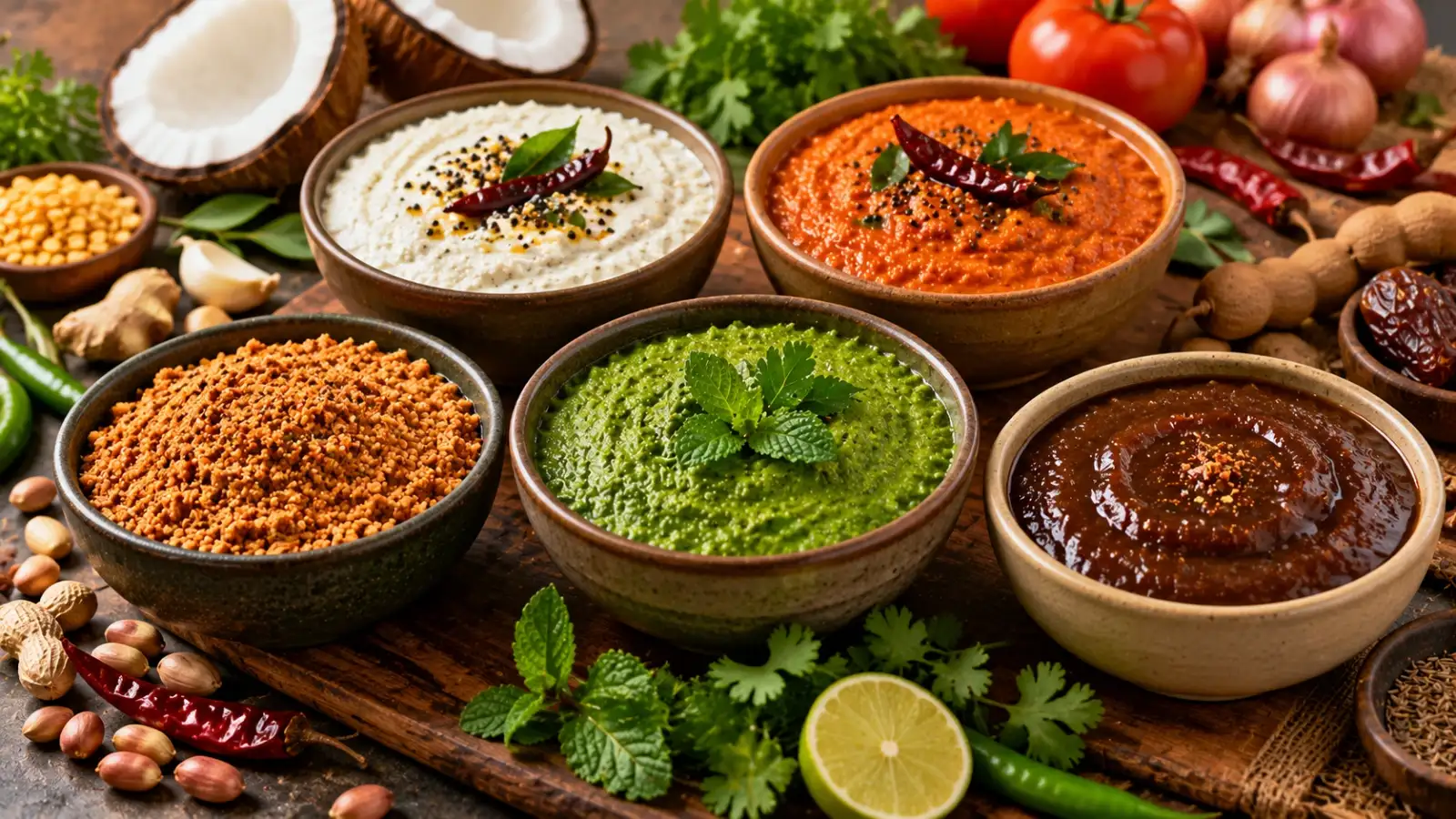
Coconut chutney is a familiar accompaniment in many South Indian households. Its mild, creamy flavour balances the savoury taste of steamed idlis and crisp dosas.
For extra flavour, you can prepare a tempering with mustard seeds, curry leaves and a little oil, then pour it over the chutney. This step is optional if you prefer a simpler version.
Peanut chutney is known for its nutty taste and thick texture. It can be prepared as a dry powder or blended with water into a softer accompaniment. Roasted peanuts provide most of the flavour, so only a few additional ingredients are needed.
For a dry chutney, stop when it resembles a coarse powder. For a wet version, add water gradually and blend briefly. Avoid adding too much water at once, as the chutney can become thinner than intended.
This vibrant green chutney is widely enjoyed across North India, particularly with fried snacks and street food. Mint adds a refreshing flavour, while coriander gives the mixture its characteristic herbal taste.
Taste and adjust the lemon juice or salt if needed. Use only enough water to help the ingredients blend, as an overly watery chutney may lose its fresh, concentrated flavour.
Tomato chutney is a flavourful option for people who enjoy a balance of tanginess and spice. Andhra-style versions can be fiery, although you can adjust the chillies to suit your preference.
Cook until the tomatoes become soft and most of their excess moisture evaporates. Allow the mixture to cool before blending it into a coarse or smooth chutney. You can serve it as it is or add a simple mustard-seed and curry-leaf tempering.
Sweet and tangy tamarind-date chutney is a popular accompaniment for many Indian snacks. Tamarind provides sharpness, while dates add natural sweetness and a thick consistency.
Once cooled, blend until smooth. Adjust the sweetness, tanginess and consistency to your liking. If you use whole tamarind instead of ready-made pulp, remove any seeds and fibres before blending.
Always use a clean spoon when serving, and discard chutney that develops an unusual smell, appearance or signs of spoilage. Freezing small portions can be useful when you want to prepare some chutneys in advance.
Regional Indian chutneys show how a handful of everyday ingredients can create a wide range of flavours. Coconut chutney offers a creamy accompaniment, peanut chutney brings a roasted nuttiness, and mint-coriander chutney adds freshness. Tomato chutney provides a spicy, tangy option, while tamarind-date chutney brings sweetness to popular snacks. Start with the basic recipes and adjust the spices to suit your taste. These simple homemade chutneys can add variety to meals without requiring complicated preparation.
1. Coconut Chutney From South India
Popular pairing: Idli, dosa, uttapam and vadaCoconut chutney is a familiar accompaniment in many South Indian households. Its mild, creamy flavour balances the savoury taste of steamed idlis and crisp dosas.
Ingredients
- 1 cup freshly grated coconut
- 1 tablespoon roasted chana dal
- 1 small green chilli
- A small piece of ginger
- Salt to taste
- Water as needed
Method
Add the coconut, roasted chana dal, green chilli, ginger and salt to a mixer. Blend with a little water until smooth, adjusting the consistency as required.For extra flavour, you can prepare a tempering with mustard seeds, curry leaves and a little oil, then pour it over the chutney. This step is optional if you prefer a simpler version.
2. Peanut Chutney From Maharashtra
Popular pairing: Bhakri, sandwiches, dosas and snacksPeanut chutney is known for its nutty taste and thick texture. It can be prepared as a dry powder or blended with water into a softer accompaniment. Roasted peanuts provide most of the flavour, so only a few additional ingredients are needed.
Ingredients
- 1 cup roasted peanuts
- 1 small garlic clove
- ½ teaspoon red chilli powder
- Salt to taste
- A little water, if making a wet chutney
Method
Remove the peanut skins if desired. Grind the peanuts with garlic, chilli powder and salt until the mixture reaches your preferred texture.For a dry chutney, stop when it resembles a coarse powder. For a wet version, add water gradually and blend briefly. Avoid adding too much water at once, as the chutney can become thinner than intended.
3. Mint and Coriander Chutney From North India
Popular pairing: Samosas, pakoras, sandwiches and kebabsThis vibrant green chutney is widely enjoyed across North India, particularly with fried snacks and street food. Mint adds a refreshing flavour, while coriander gives the mixture its characteristic herbal taste.
Ingredients
- 1 cup fresh coriander leaves
- ½ cup mint leaves
- 1 green chilli
- 1 tablespoon lemon juice
- A small piece of ginger
- Salt to taste
- Water as needed
Method
Wash the herbs thoroughly and drain them well. Add the coriander, mint, chilli, ginger, lemon juice and salt to a mixer. Blend with a small amount of water until smooth.Taste and adjust the lemon juice or salt if needed. Use only enough water to help the ingredients blend, as an overly watery chutney may lose its fresh, concentrated flavour.
4. Tomato Chutney From Andhra Pradesh
Popular pairing: Dosa, idli, pesarattu and riceYou may also like
- Understanding the Significance of Solah Shringar in Hindu Culture
- Celebrity children who discovered their parents were famous only after classmates recognised them or mentioned a television show; why some celebs keep their actual identity guarded from children and the parenting takeaway
- Discover the Ancient Yogic Practice of Trataka for Mental Clarity
- 'I have a house and a car, but no one to talk to': Indian chef's Diwali in the US reveals the lonely side of life abroad; 'Sannata chhaya hua hai yahan'
- Exploring the Sacred Hanuman Temples of Mount Abu
Tomato chutney is a flavourful option for people who enjoy a balance of tanginess and spice. Andhra-style versions can be fiery, although you can adjust the chillies to suit your preference.
Ingredients
- 2 medium tomatoes, chopped
- 1 small onion, sliced
- 1 green chilli or dried red chilli
- 1 garlic clove
- ½ teaspoon cumin seeds
- 1 teaspoon oil
- Salt to taste
Method
Heat the oil in a pan and add the cumin seeds. Once they begin to sizzle, add the garlic, chilli and onion. Cook until the onion softens, then add the tomatoes and salt.Cook until the tomatoes become soft and most of their excess moisture evaporates. Allow the mixture to cool before blending it into a coarse or smooth chutney. You can serve it as it is or add a simple mustard-seed and curry-leaf tempering.
5. Tamarind and Date Chutney From Western India
Popular pairing: Chaat, samosas, kachori and dahi puriSweet and tangy tamarind-date chutney is a popular accompaniment for many Indian snacks. Tamarind provides sharpness, while dates add natural sweetness and a thick consistency.
Ingredients
- ½ cup seedless dates
- 2 tablespoons tamarind pulp
- ½ teaspoon roasted cumin powder
- A pinch of red chilli powder
- Salt to taste
- Water as needed
Method
Simmer the dates in a little water until soft. Add the tamarind pulp, cumin powder, chilli powder and salt. Cook gently for a few more minutes, adding water if the mixture becomes too thick.Once cooled, blend until smooth. Adjust the sweetness, tanginess and consistency to your liking. If you use whole tamarind instead of ready-made pulp, remove any seeds and fibres before blending.
How to Store Homemade Chutneys
Fresh chutneys made with herbs or coconut are best enjoyed soon after preparation. Store leftovers in a clean, covered container in the refrigerator and use them promptly. Cooked tomato and tamarind-date chutneys may keep for longer than fresh herb chutneys, but storage time depends on ingredients, preparation and refrigerator temperature.Always use a clean spoon when serving, and discard chutney that develops an unusual smell, appearance or signs of spoilage. Freezing small portions can be useful when you want to prepare some chutneys in advance.
Regional Indian chutneys show how a handful of everyday ingredients can create a wide range of flavours. Coconut chutney offers a creamy accompaniment, peanut chutney brings a roasted nuttiness, and mint-coriander chutney adds freshness. Tomato chutney provides a spicy, tangy option, while tamarind-date chutney brings sweetness to popular snacks. Start with the basic recipes and adjust the spices to suit your taste. These simple homemade chutneys can add variety to meals without requiring complicated preparation.






Loving Newspoint? Download the app now
