
Flaxseed Benefits: 8 Health Benefits of Adding These Tiny Seeds to Your Diet

Flaxseed benefits go far beyond their tiny size. These nutrient-rich seeds are packed with dietary fibre, plant-based omega-3 fatty acids and antioxidants, making them a simple addition to a balanced diet. Traditionally used in wellness practices, flaxseeds can be included in everyday meals in several easy ways.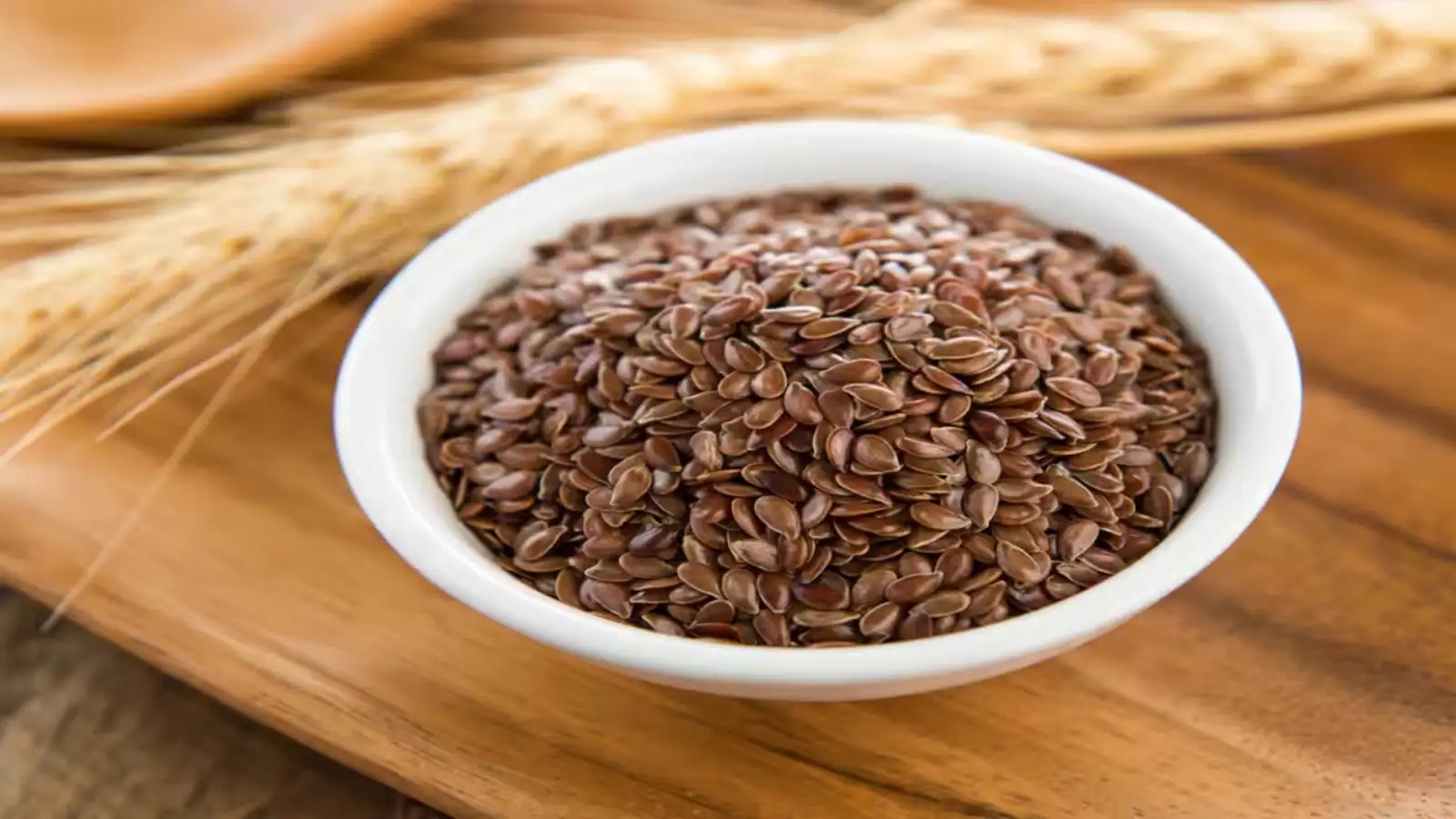
Whether you prefer them roasted, ground or mixed into your favourite foods, flaxseeds can add valuable nutrients to your daily diet. Here are eight potential health benefits of including them in moderation.
Adding roasted or ground flaxseeds to your meals may therefore help maintain digestive regularity and reduce the chances of constipation. However, increasing fibre intake gradually and drinking enough water is important.
Including flaxseeds alongside vegetables, whole grains, fruits and other nutritious foods can contribute to an overall healthy eating pattern. People with existing heart conditions should speak to their doctor about dietary changes.
Fibre can slow digestion and promote a longer-lasting feeling of fullness. Adding a small amount of ground flaxseed to meals may therefore help curb unnecessary hunger and cravings. For sustainable weight management, however, flaxseeds should be combined with a balanced diet and regular physical activity.
They contain ALA, an essential omega-3 fatty acid that the body cannot produce on its own and therefore needs to obtain through food. Ground flaxseed can be particularly convenient to add to everyday meals.
Including a variety of antioxidant-rich foods in your diet can contribute to overall nutritional wellbeing.
Some people include flaxseeds as part of their wellness routine to support healthy-looking skin. However, they should not be considered a replacement for medical treatment for specific skin conditions.
Healthy fats, fibre and other plant compounds make flaxseeds a useful addition to a varied eating pattern. Adequate protein, vitamins, minerals and hydration are also important for maintaining healthy hair.
Try sprinkling roasted or ground flaxseeds over salads, mixing them into yoghurt or cereal, or adding them to smoothies. Ground flaxseed can also be incorporated into homemade breads and other recipes.
Start with a small portion and increase it gradually if your body tolerates it. Drinking sufficient water throughout the day is also important when increasing dietary fibre.
Pregnant women, people taking regular medication and those living with chronic health conditions should consult a qualified doctor or healthcare professional before making flaxseeds a daily part of their diet.
Flaxseeds may be tiny, but their nutritional profile makes them a useful addition to a balanced diet. Their fibre, plant-based omega-3 fatty acids and antioxidant compounds can support several aspects of overall wellness, including digestion and heart-friendly nutrition.
The key is moderation. Add small amounts to familiar foods, stay hydrated and maintain a varied diet rather than relying on flaxseeds as a standalone health solution.
Whether you prefer them roasted, ground or mixed into your favourite foods, flaxseeds can add valuable nutrients to your daily diet. Here are eight potential health benefits of including them in moderation.
1. May Support Better Digestion
One of the biggest benefits of flaxseeds is their high fibre content. Fibre adds bulk to food and can help support regular bowel movements.Adding roasted or ground flaxseeds to your meals may therefore help maintain digestive regularity and reduce the chances of constipation. However, increasing fibre intake gradually and drinking enough water is important.
2. Could Help Support Heart Health
Flaxseeds are a natural source of alpha-linolenic acid (ALA), a plant-based omega-3 fatty acid. Omega-3 fats are an important part of a heart-friendly diet.Including flaxseeds alongside vegetables, whole grains, fruits and other nutritious foods can contribute to an overall healthy eating pattern. People with existing heart conditions should speak to their doctor about dietary changes.
3. May Help You Feel Full for Longer
Trying to control frequent snacking? The fibre in flaxseeds may help.Fibre can slow digestion and promote a longer-lasting feeling of fullness. Adding a small amount of ground flaxseed to meals may therefore help curb unnecessary hunger and cravings. For sustainable weight management, however, flaxseeds should be combined with a balanced diet and regular physical activity.
4. Provides Plant-Based Omega-3 Fats
For people looking to include more plant-based sources of healthy fats in their diet, flaxseeds can be a useful option.They contain ALA, an essential omega-3 fatty acid that the body cannot produce on its own and therefore needs to obtain through food. Ground flaxseed can be particularly convenient to add to everyday meals.
5. Adds Antioxidants to Your Diet
Flaxseeds contain naturally occurring compounds called lignans, which have antioxidant properties. Antioxidants help protect cells from oxidative stress caused by unstable molecules known as free radicals.Including a variety of antioxidant-rich foods in your diet can contribute to overall nutritional wellbeing.
6. May Support Healthy Skin
Good skin health starts with overall nutrition. Flaxseeds provide healthy fats and other nutrients that can complement a balanced diet.Some people include flaxseeds as part of their wellness routine to support healthy-looking skin. However, they should not be considered a replacement for medical treatment for specific skin conditions.
7. Can Complement Hair Health
The nutrients found in flaxseeds may also contribute to overall hair and scalp health when consumed as part of a nutritious diet.Healthy fats, fibre and other plant compounds make flaxseeds a useful addition to a varied eating pattern. Adequate protein, vitamins, minerals and hydration are also important for maintaining healthy hair.
8. Easy to Add to Everyday Meals
Another advantage of flaxseeds is how easily they fit into different foods. Their mild, nutty flavour means they can be added without dramatically changing the taste of a dish.Try sprinkling roasted or ground flaxseeds over salads, mixing them into yoghurt or cereal, or adding them to smoothies. Ground flaxseed can also be incorporated into homemade breads and other recipes.
How Much Flaxseed Should You Eat?
More is not necessarily better when it comes to flaxseeds. Because they are high in fibre, consuming large quantities suddenly may lead to bloating, gas or stomach discomfort.Start with a small portion and increase it gradually if your body tolerates it. Drinking sufficient water throughout the day is also important when increasing dietary fibre.
Who Should Be Careful With Flaxseeds?
Although flaxseeds can be part of a healthy diet for many people, certain individuals should seek professional advice before consuming them regularly.Pregnant women, people taking regular medication and those living with chronic health conditions should consult a qualified doctor or healthcare professional before making flaxseeds a daily part of their diet.
Flaxseeds may be tiny, but their nutritional profile makes them a useful addition to a balanced diet. Their fibre, plant-based omega-3 fatty acids and antioxidant compounds can support several aspects of overall wellness, including digestion and heart-friendly nutrition.
The key is moderation. Add small amounts to familiar foods, stay hydrated and maintain a varied diet rather than relying on flaxseeds as a standalone health solution.
Next Story