
Folk is the mother of all music: Mame Khan


Rooted in Rajasthan’s oral traditions and shaped by centuries-old folk memory, folk music custodian Mame Khan , also the first Indian folk artist to perform at Cannes, continues to create and preserve music that carries forward generations of cultural heritage . From village gatherings to international stages, the folk maestro has built a career around safeguarding authenticity while allowing tradition to evolve, quietly challenging the notion that folk music belongs only to the past.
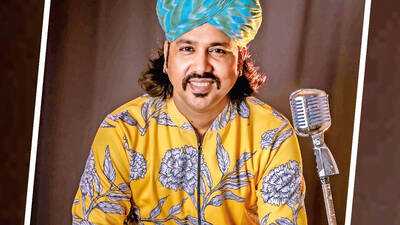 Looking back at folk music’s journey from hotel dining spaces to headlining slots at major music festivals, Khan, in a candid conversation with Lucknow Times, bares his heart out on shifting audiences and expanding platforms, while making a firm appeal to the industry to acknowledge origins and give due credit to folk artists.
Having performed in Lucknow, Khan says, “Lucknow is a cultural feast. In Rajasthan, the first word you hear is ‘padharo’. In Lucknow, it is ‘adaab’. Both cities have so much in common. These words represent the soul of our beautiful culture. I like how Lucknowwallahs speak and the sweetness in their alfaaz, and of course, the food. The city has always had so much to offer to its guests.” He speaks.
Taking Village Folk to Global Stages
Addressing long-held perceptions around folk music, Mame says, “Folk is the mother of all music, classical, blues, reggae, Bollywood, everything came out of folk first. Folk has survived for centuries for a reason. People often said folk was raw and scattered, that it could not be arranged into a proper album. But then we did it, we compiled it and presented it as a music album.”
While Rajasthani folk has found sustained global visibility, Khan believes the gap lies less in talent and more in exposure and presentation. “I am happy to see that the folk music of Punjab, Rajasthan, Bengal, Maharashtra, and Gujarat is coming out gradually. But there are some tribal areas and regional music, like that of Assam, which are still very limited. All they need is strong support, platforms, and a lot of faith in their regional music,’’ he says, adding, “For folk music to reach a larger audience, it is important to understand what works well with the genre. Folk music is a living embodiment of history and our cultural heritage. Why should we not work hard to promote the rawness and texture of these artists, and can it be done by giving them a platform? The aim is to take India’s folk music to the global stage through international collaborations and present it in a way that connects with contemporary listeners,” he explains, adding that when folk is contextualised within contemporary formats, it becomes more accessible without losing its essence.
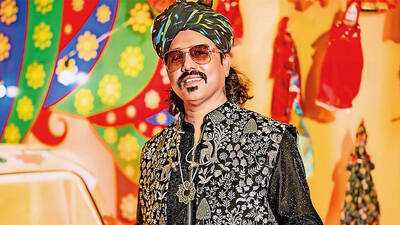
Mame seeks credit for folk artists in B’wood adaptations
Mame, whose voice lends soul to the Bandish Bandits theme song, says the question of credit in Bollywood remains both important and deeply sensitive for folk artists, a conversation many have long found difficult to raise. “Earlier, the situation for folk music was very disheartening. When Bollywood takes a folk song to recreate or use, they should know it is not their song, nor is it Mame Khan’s song, but it belongs to the folk community. Our ancestors created this music in times when there was no radio, no electricity and no modern equipment to record or preserve it. They nurtured it like a child, and today it has reached us through generations. We are only safeguarding it, and that legacy deserves respect,” he says. While he acknowledges that Bollywood adaptations have helped folk music travel further, Khan believes recognition must accompany that reach. “If earlier 50 people were listening and now 50,000 are listening, that visibility should come with credit where it is due. At the same time, people are also earning fame and money from these songs. My request is simple, just give proper credit,” he says. He also emphasises the importance of authenticity when performing traditional forms. “When it comes to playback singing, you cannot hand over qawwali or folk to just anyone. To sing these songs, you need that throat, that weight, that soul,” he adds. Reiterating his appeal, Khan says the issue continues to persist. “Many artists have spoken about this. Yet there are still some labels that don’t follow it and continue to not give credits. If I had to count, there would be around 50 to 100 such songs. So I just wanted to say that if you are taking folk music, respect the artist and give him the due credit,” he says.
Having performed in Lucknow, Khan says, “Lucknow is a cultural feast. In Rajasthan, the first word you hear is ‘padharo’. In Lucknow, it is ‘adaab’. Both cities have so much in common. These words represent the soul of our beautiful culture. I like how Lucknowwallahs speak and the sweetness in their alfaaz, and of course, the food. The city has always had so much to offer to its guests.” He speaks.
Taking Village Folk to Global Stages
Addressing long-held perceptions around folk music, Mame says, “Folk is the mother of all music, classical, blues, reggae, Bollywood, everything came out of folk first. Folk has survived for centuries for a reason. People often said folk was raw and scattered, that it could not be arranged into a proper album. But then we did it, we compiled it and presented it as a music album.”
Mame seeks credit for folk artists in B’wood adaptations
Mame, whose voice lends soul to the Bandish Bandits theme song, says the question of credit in Bollywood remains both important and deeply sensitive for folk artists, a conversation many have long found difficult to raise. “Earlier, the situation for folk music was very disheartening. When Bollywood takes a folk song to recreate or use, they should know it is not their song, nor is it Mame Khan’s song, but it belongs to the folk community. Our ancestors created this music in times when there was no radio, no electricity and no modern equipment to record or preserve it. They nurtured it like a child, and today it has reached us through generations. We are only safeguarding it, and that legacy deserves respect,” he says. While he acknowledges that Bollywood adaptations have helped folk music travel further, Khan believes recognition must accompany that reach. “If earlier 50 people were listening and now 50,000 are listening, that visibility should come with credit where it is due. At the same time, people are also earning fame and money from these songs. My request is simple, just give proper credit,” he says. He also emphasises the importance of authenticity when performing traditional forms. “When it comes to playback singing, you cannot hand over qawwali or folk to just anyone. To sing these songs, you need that throat, that weight, that soul,” he adds. Reiterating his appeal, Khan says the issue continues to persist. “Many artists have spoken about this. Yet there are still some labels that don’t follow it and continue to not give credits. If I had to count, there would be around 50 to 100 such songs. So I just wanted to say that if you are taking folk music, respect the artist and give him the due credit,” he says.
Next Story