
Best Vitamin C-Rich Foods You Should Eat Every Day

Vitamin C is one of the most important nutrients your body needs every day. It supports the immune system, helps wounds heal faster, promotes healthy skin, and improves iron absorption. Since the body cannot produce or store Vitamin C, it is essential to get enough through your daily diet.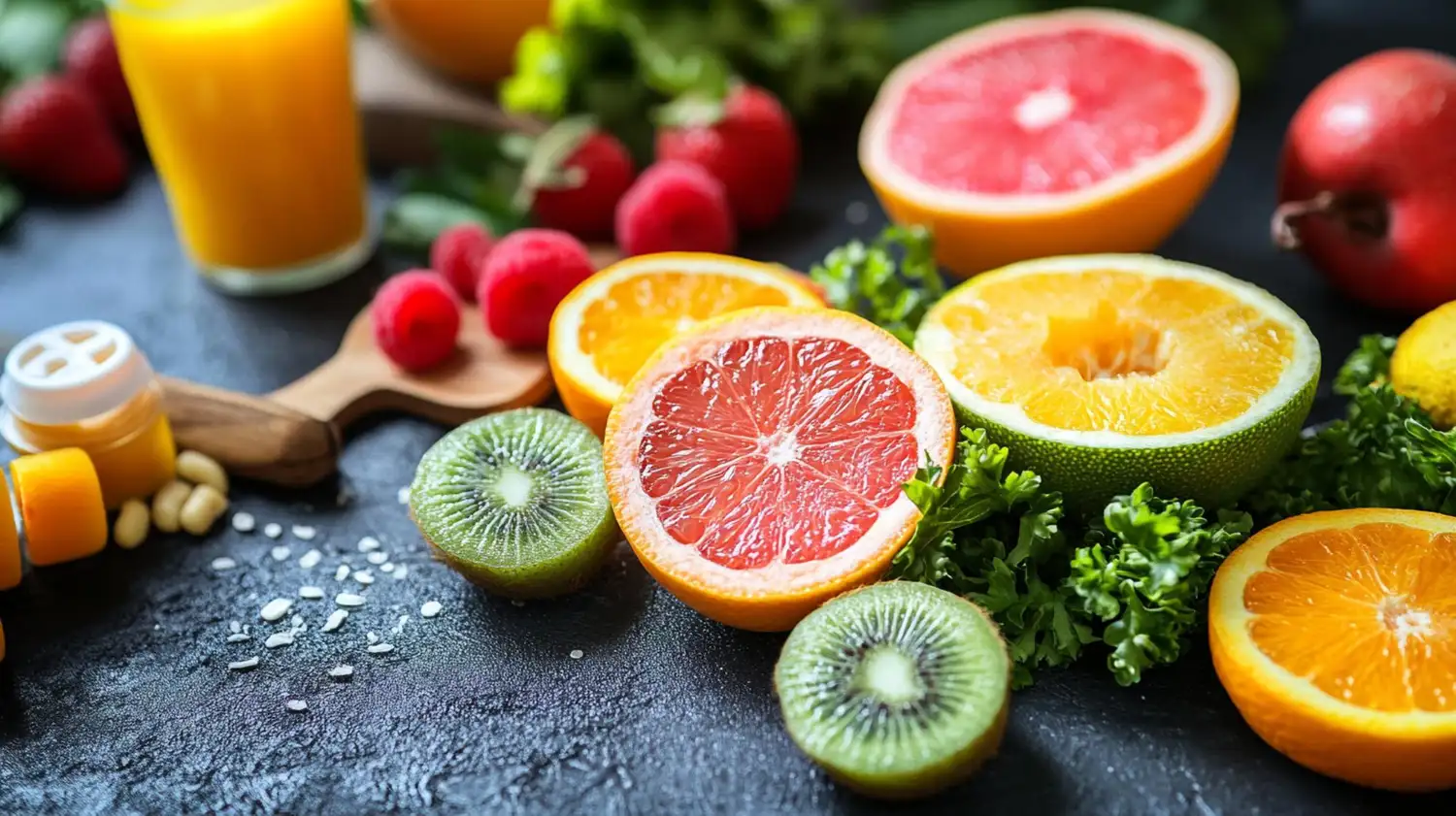
Fortunately, many fruits and vegetables are naturally packed with this powerful antioxidant. Here are some of the best Vitamin C-rich foods you should include in your meals.
Why Is Vitamin C Important?
Vitamin C, also known as ascorbic acid, plays several vital roles in the body. It helps strengthen immunity, protects cells from damage caused by free radicals, supports collagen production for healthy skin and joints, and improves the absorption of iron from plant-based foods. Regular intake may also help reduce the duration of common colds and keep your body functioning efficiently.
1. Amla (Indian Gooseberry)
Amla is one of the richest natural sources of Vitamin C . Just one small fruit contains more Vitamin C than many citrus fruits. It is widely consumed as fresh fruit, juice, pickle, candy, or in powdered form.
Benefits:
2. Guava
Guava is another Vitamin C powerhouse. A single guava provides more than twice the daily recommended Vitamin C intake for adults. It is also rich in dietary fiber, making it excellent for digestive health.
Benefits:
3. Oranges
Oranges are among the most popular sources of Vitamin C. They are refreshing, hydrating, and packed with nutrients that promote overall wellness.
Benefits:
4. Lemons
Though often consumed in small amounts, lemons are rich in Vitamin C and can easily be added to water, salads, or meals.
Benefits:
5. Kiwi
Kiwi is loaded with Vitamin C, Vitamin K, fiber, and antioxidants. Its sweet and tangy flavor makes it an excellent healthy snack.
Benefits:
6. Strawberries
Strawberries are not only delicious but also packed with Vitamin C and beneficial plant compounds that protect the body against oxidative stress.
Benefits:
7. Papaya
Papaya offers a healthy dose of Vitamin C along with Vitamin A, digestive enzymes, and fiber. It is a great addition to breakfast or fruit salads.
Benefits:
8. Bell Peppers (Capsicum)
Red, yellow, and green bell peppers are among the richest vegetable sources of Vitamin C. Red bell peppers contain the highest amount.
Benefits:
9. Broccoli
Broccoli provides Vitamin C along with fiber, calcium, and several important vitamins and minerals. It is a nutritious vegetable that supports overall health.
Benefits:
10. Tomatoes
Fresh tomatoes are a good source of Vitamin C and lycopene, a powerful antioxidant that supports heart and skin health.
Benefits:
11. Pineapple
Pineapple contains Vitamin C and bromelain, an enzyme known for supporting digestion and reducing inflammation.
Benefits:
12. Mango
Often called the "king of fruits," mango provides a moderate amount of Vitamin C along with Vitamin A and fiber.
Benefits:
Simple Ways to Increase Your Vitamin C Intake
Can You Get Too Much Vitamin C?
Vitamin C from natural foods is generally safe and beneficial. However, excessive intake through supplements may cause stomach discomfort, diarrhea, or kidney stone risk in some individuals. It's usually best to meet your daily requirements through a balanced diet unless a healthcare professional recommends supplements.
Including Vitamin C-rich foods in your daily diet is a simple and natural way to strengthen your immune system, support healthy skin, improve iron absorption, and protect your body from oxidative stress. From nutrient-packed amla and guava to oranges, bell peppers, broccoli, and strawberries, there are plenty of delicious options to enjoy every day. A colorful diet filled with fresh fruits and vegetables is one of the easiest ways to maintain optimal health and wellness.
Fortunately, many fruits and vegetables are naturally packed with this powerful antioxidant. Here are some of the best Vitamin C-rich foods you should include in your meals.
Why Is Vitamin C Important?
Vitamin C, also known as ascorbic acid, plays several vital roles in the body. It helps strengthen immunity, protects cells from damage caused by free radicals, supports collagen production for healthy skin and joints, and improves the absorption of iron from plant-based foods. Regular intake may also help reduce the duration of common colds and keep your body functioning efficiently.1. Amla (Indian Gooseberry)
Amla is one of the richest natural sources of Vitamin C . Just one small fruit contains more Vitamin C than many citrus fruits. It is widely consumed as fresh fruit, juice, pickle, candy, or in powdered form. Benefits:
- Strengthens immunity
- Promotes healthy hair and skin
- Supports digestion
- Rich in antioxidants
2. Guava
Guava is another Vitamin C powerhouse. A single guava provides more than twice the daily recommended Vitamin C intake for adults. It is also rich in dietary fiber, making it excellent for digestive health.Benefits:
- Boosts immune function
- Improves gut health
- Supports heart health
- Helps regulate blood sugar
3. Oranges
Oranges are among the most popular sources of Vitamin C. They are refreshing, hydrating, and packed with nutrients that promote overall wellness. Benefits:
- Supports immunity
- Keeps skin healthy
- Helps maintain hydration
- Rich in antioxidants
4. Lemons
Though often consumed in small amounts, lemons are rich in Vitamin C and can easily be added to water, salads, or meals. Benefits:
- Aids digestion
- Enhances iron absorption
- Supports detoxification
- Refreshes the body
5. Kiwi
Kiwi is loaded with Vitamin C, Vitamin K, fiber, and antioxidants. Its sweet and tangy flavor makes it an excellent healthy snack. Benefits:
- Supports immune health
- Improves digestion
- Promotes better sleep
- Maintains healthy skin
6. Strawberries
Strawberries are not only delicious but also packed with Vitamin C and beneficial plant compounds that protect the body against oxidative stress.You may also like
- Friendship Day Weekend Escapes: 5 Monsoon Getaways Near Mumbai to Make Memories With Your Gang
- Can cruise tourism be India's next big growth driver?
- The new luxury home is not about more: It's about living better
- Quote of the day by Vincent van Gogh: “Art is to console those who are broken by life.”
- JJ Valaya's SIDDI was a love letter to heritage, craft and timeless couture
Benefits:
- Supports heart health
- Promotes glowing skin
- Strengthens immunity
- Rich in antioxidants
7. Papaya
Papaya offers a healthy dose of Vitamin C along with Vitamin A, digestive enzymes, and fiber. It is a great addition to breakfast or fruit salads. Benefits:
- Improves digestion
- Supports eye health
- Enhances skin health
- Reduces inflammation
8. Bell Peppers (Capsicum)
Red, yellow, and green bell peppers are among the richest vegetable sources of Vitamin C. Red bell peppers contain the highest amount. Benefits:
- Boosts immunity
- Supports eye health
- Promotes healthy skin
- Rich in antioxidants
9. Broccoli
Broccoli provides Vitamin C along with fiber, calcium, and several important vitamins and minerals. It is a nutritious vegetable that supports overall health. Benefits:
- Supports bone health
- Strengthens immunity
- Aids digestion
- Contains cancer-fighting compounds
10. Tomatoes
Fresh tomatoes are a good source of Vitamin C and lycopene, a powerful antioxidant that supports heart and skin health. Benefits:
- Supports heart health
- Promotes healthy skin
- Protects against cell damage
- Easy to include in daily meals
11. Pineapple
Pineapple contains Vitamin C and bromelain, an enzyme known for supporting digestion and reducing inflammation.Benefits:
- Supports digestion
- Strengthens immunity
- Reduces inflammation
- Promotes healthy skin
12. Mango
Often called the "king of fruits," mango provides a moderate amount of Vitamin C along with Vitamin A and fiber. Benefits:
- Supports eye health
- Boosts immunity
- Improves digestion
- Provides natural energy
Simple Ways to Increase Your Vitamin C Intake
- Start your day with fresh fruits like guava, papaya, or oranges.
- Add lemon juice to salads and soups.
- Include bell peppers in sandwiches, stir-fries, and salads.
- Snack on strawberries or kiwi instead of processed foods.
- Enjoy fresh amla juice or seasonal amla when available.
- Avoid overcooking vegetables, as excessive heat can reduce Vitamin C content.
Can You Get Too Much Vitamin C?
Vitamin C from natural foods is generally safe and beneficial. However, excessive intake through supplements may cause stomach discomfort, diarrhea, or kidney stone risk in some individuals. It's usually best to meet your daily requirements through a balanced diet unless a healthcare professional recommends supplements. Including Vitamin C-rich foods in your daily diet is a simple and natural way to strengthen your immune system, support healthy skin, improve iron absorption, and protect your body from oxidative stress. From nutrient-packed amla and guava to oranges, bell peppers, broccoli, and strawberries, there are plenty of delicious options to enjoy every day. A colorful diet filled with fresh fruits and vegetables is one of the easiest ways to maintain optimal health and wellness.






Loving Newspoint? Download the app now
