
Common Foods That Cause Bloating and How to Avoid It

Many foods, including beans and carbonated drinks, can cause digestive issues like bloating, especially for people with food intolerances or sensitivities. Making changes to your diet may help ease the symptoms of bloating.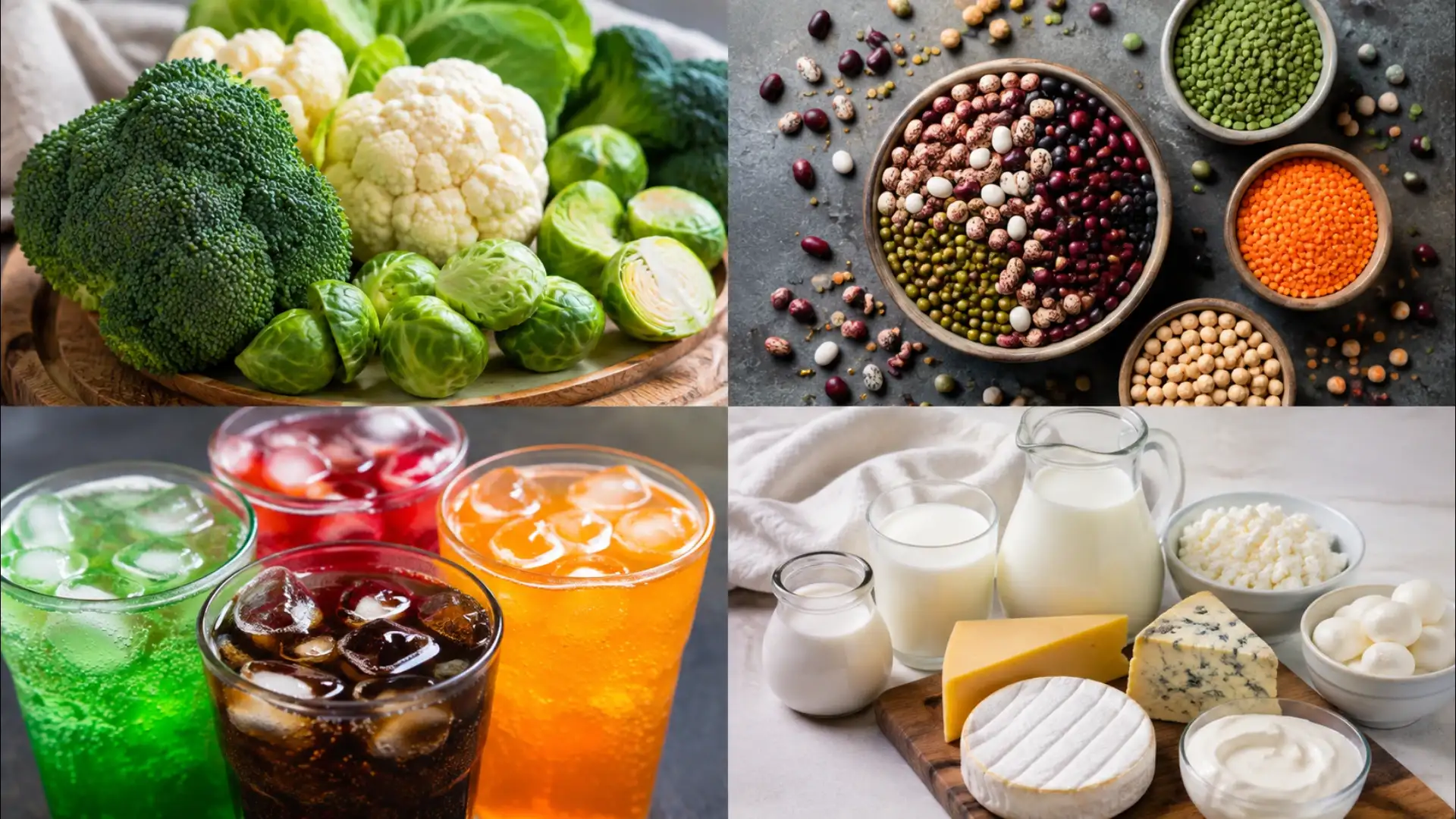
Bloating is when your belly feels swollen or enlarged after eating. It is very common.
About 30% of people say they experience it regularly. Although bloating may be a symptom of certain medical conditions, it is usually caused by gas, digestive issues, or dietary factors.
Here, learn more about common foods that can cause bloating, along with suggestions on what to eat instead.
Bloating can be uncomfortable, but making a few simple dietary changes may help reduce symptoms. If certain foods consistently trigger bloating, try limiting them, choosing suitable alternatives, and eating smaller portions. However, persistent or severe bloating should be discussed with a healthcare professional.
Bloating is when your belly feels swollen or enlarged after eating. It is very common.
About 30% of people say they experience it regularly. Although bloating may be a symptom of certain medical conditions, it is usually caused by gas, digestive issues, or dietary factors.
Here, learn more about common foods that can cause bloating, along with suggestions on what to eat instead.
1. Broccoli, cauliflower or Brussels sprouts
Cruciferous vegetables may be nutritional superstars, but they’re also notorious for causing gas. These vegetables contain raffinose, a complex sugar that your body struggles to break down. They are also high in fibre and nutrients, but the gas they produce can make you feel bloated. Try steaming them to make them easier to digest, or start with smaller portions and pair them with other foods.2. Beans and lentils
They’re packed with plant-based protein and fibre, but they’re also known for causing bloating. Like cruciferous vegetables, beans and lentils contain indigestible sugars that ferment in your gut. Beans are great for your heart and digestion in the long term, but their fibre and natural sugars can cause bloating if your body isn’t used to them. Soak beans before cooking, rinse canned varieties thoroughly, and slowly increase your portion size over time to help your body adjust.3. Carbonated drinks
That fizzy soda or sparkling water might feel refreshing, but the bubbles can come back to haunt you. Carbonation adds gas directly to your digestive system. Even healthy sparkling drinks can contribute to bloating if you drink them throughout the day. Try alternating sparkling beverages with still water or herbal tea.4. Dairy products
If milk, cheese or ice cream leave you feeling sluggish or gassy, you might be struggling with lactose intolerance . Lactose intolerance is very common, especially as we get older. People may notice bloating, gas or cramping a few hours after consuming dairy products. If that sounds like you, try lactose-free products or plant-based alternatives like almond or oat milk.Bloating can be uncomfortable, but making a few simple dietary changes may help reduce symptoms. If certain foods consistently trigger bloating, try limiting them, choosing suitable alternatives, and eating smaller portions. However, persistent or severe bloating should be discussed with a healthcare professional.
Next Story