
Foods That Help Build A Healthy Gut Microbiome

A healthy gut plays an important role in overall well-being. It supports digestion, helps the body absorb nutrients, strengthens the immune system, and may even influence mood and energy levels. One of the best ways to maintain a healthy gut is by eating foods that nourish the beneficial bacteria living in the digestive system. Here are some of the best foods that can help improve gut health naturally.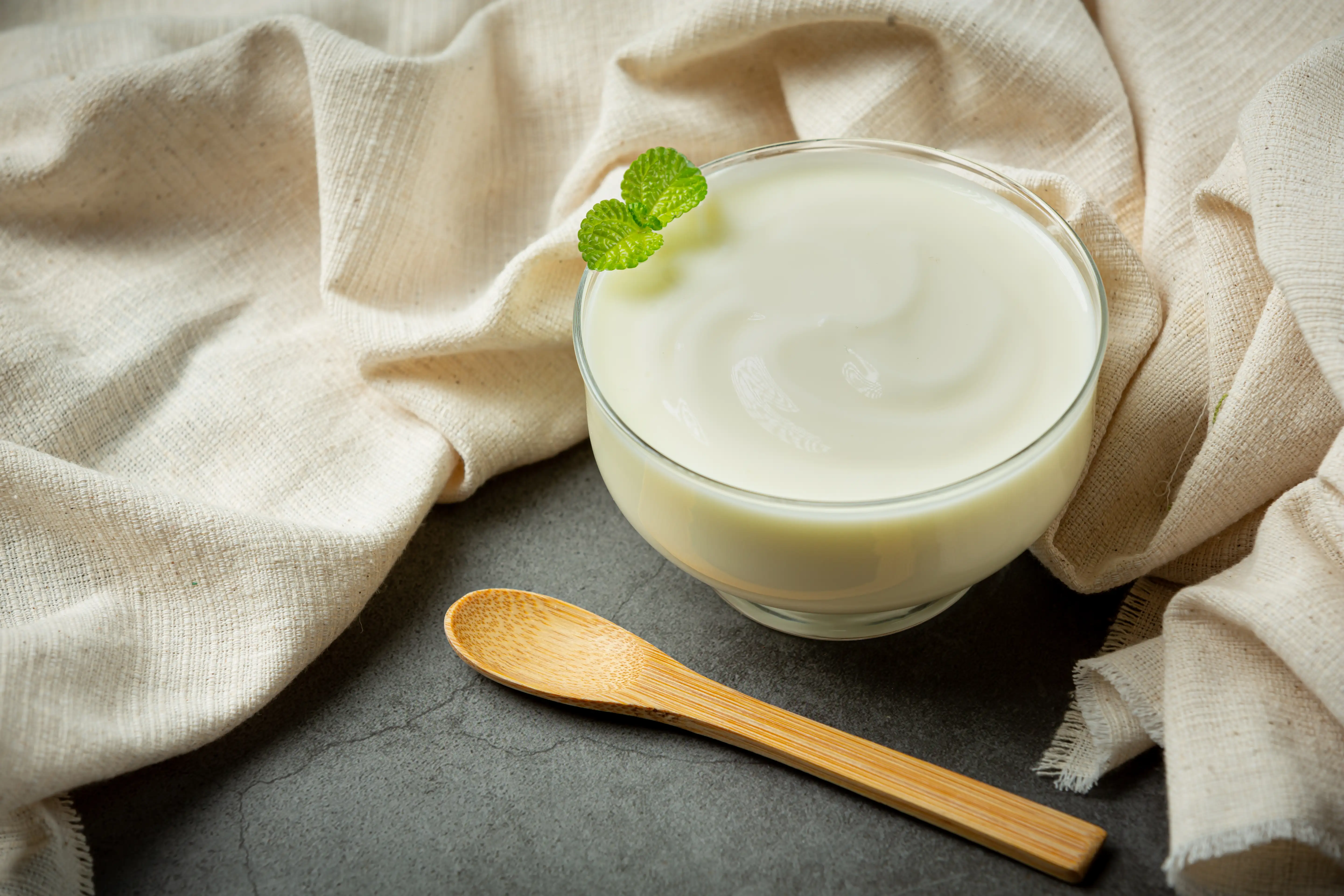
Tips for Better Gut Health
Healthy foods work best when combined with good lifestyle habits. Drink enough water, stay physically active, eat a variety of fiber rich foods, manage stress, and get adequate sleep. These habits help maintain a healthy digestive system and support a balanced gut microbiome.
Improving gut health does not require complicated diets or expensive supplements. Including probiotic foods like yogurt and kefir, along with fiber rich and prebiotic foods such as oats, bananas, garlic, apples, and lentils, can help nourish beneficial gut bacteria. A balanced diet combined with healthy daily habits can go a long way in supporting digestion and overall wellness.
Yogurt
Yogurt is one of the most popular probiotic foods . It contains live beneficial bacteria that help maintain a balanced gut microbiome and support digestion. Choose plain yogurt with live and active cultures and limit varieties with added sugar for the greatest benefits.Kefir
Kefir is a fermented milk drink that contains a wide variety of probiotics. It may help improve digestion, support gut bacteria diversity, and reduce digestive discomfort in some people. It is a good alternative for those looking to include more fermented foods in their diet.Kimchi
Kimchi is a traditional Korean dish made from fermented vegetables, commonly cabbage and radish. It is rich in probiotics, fiber, and antioxidants. Regular consumption may help support a healthy digestive system while also providing vitamins and minerals.Sauerkraut
Sauerkraut is fermented cabbage packed with probiotics and dietary fiber. It supports beneficial gut bacteria and can contribute to better digestion. Choose unpasteurized varieties, as pasteurization can destroy many of the live beneficial bacteria.Oats
Oats are an excellent source of soluble fiber, particularly beta glucan. They also contain prebiotics that feed beneficial gut bacteria. Including oats in breakfast can promote regular bowel movements and support long term digestive health.Bananas
Bananas are gentle on the stomach and contain prebiotic fiber that helps nourish healthy gut bacteria. They also provide potassium and other nutrients that support digestive function, making them a good snack for people of all ages.Garlic
Garlic acts as a natural prebiotic by providing compounds that encourage the growth of beneficial gut microbes. It also contains antioxidants and plant compounds that contribute to overall health. Fresh garlic is generally considered more beneficial than highly processed forms.Onions
Like garlic, onions are rich in prebiotic fibers such as inulin. These fibers help beneficial bacteria thrive, which can improve digestion and support a balanced gut microbiome. Onions can be enjoyed raw or cooked in a variety of meals.You may also like
- Meet Claire Parfitt: Scientist who once cleaned space toilets, now leading exploration teams to Mars
- Did Valmiki Secretly Turn Ayodhya Into Kshira Sagara?
- Heartfulness Institute is set to host the Heart of a Jain International Conclave
- Termite Prevention: Is your home also facing termite infestation during the rainy season? Avoid these mistakes and stay safe.
- Frequent Urination: No more frequent trips to the toilet during your trip! Just do these 5 simple things before you leave.
Apples
Apples provide pectin, a type of soluble fiber that supports healthy digestion and acts as a prebiotic. Eating apples regularly may help improve gut bacteria diversity while also supporting heart health and blood sugar management.Lentils
Lentils are packed with fiber and plant based protein. Their high fiber content promotes healthy digestion and feeds beneficial bacteria in the colon. They also help keep you feeling full while supporting overall digestive wellness.Flaxseeds
Flaxseeds are rich in fiber and healthy fats. They help support regular bowel movements and provide prebiotics that nourish healthy gut bacteria. Ground flaxseeds are easier to digest and can be added to smoothies, yogurt, or oatmeal.Ginger
Ginger has long been used to support digestion. It may help stimulate stomach emptying, reduce nausea, and ease digestive discomfort. Adding fresh ginger to tea, soups, or stir fries can be a simple way to support gut health.Tips for Better Gut Health
Healthy foods work best when combined with good lifestyle habits. Drink enough water, stay physically active, eat a variety of fiber rich foods, manage stress, and get adequate sleep. These habits help maintain a healthy digestive system and support a balanced gut microbiome.Improving gut health does not require complicated diets or expensive supplements. Including probiotic foods like yogurt and kefir, along with fiber rich and prebiotic foods such as oats, bananas, garlic, apples, and lentils, can help nourish beneficial gut bacteria. A balanced diet combined with healthy daily habits can go a long way in supporting digestion and overall wellness.






Loving Newspoint? Download the app now
