
Everyday Foods That Support Better Eye Health

Your eyes work tirelessly every day, making good nutrition essential for maintaining clear vision and overall eye health. While regular eye check-ups are important, adding nutrient-rich foods to your daily diet can help protect your eyes from age-related problems and support healthy vision. Here are some of the best foods to include in your meals for healthier eyes.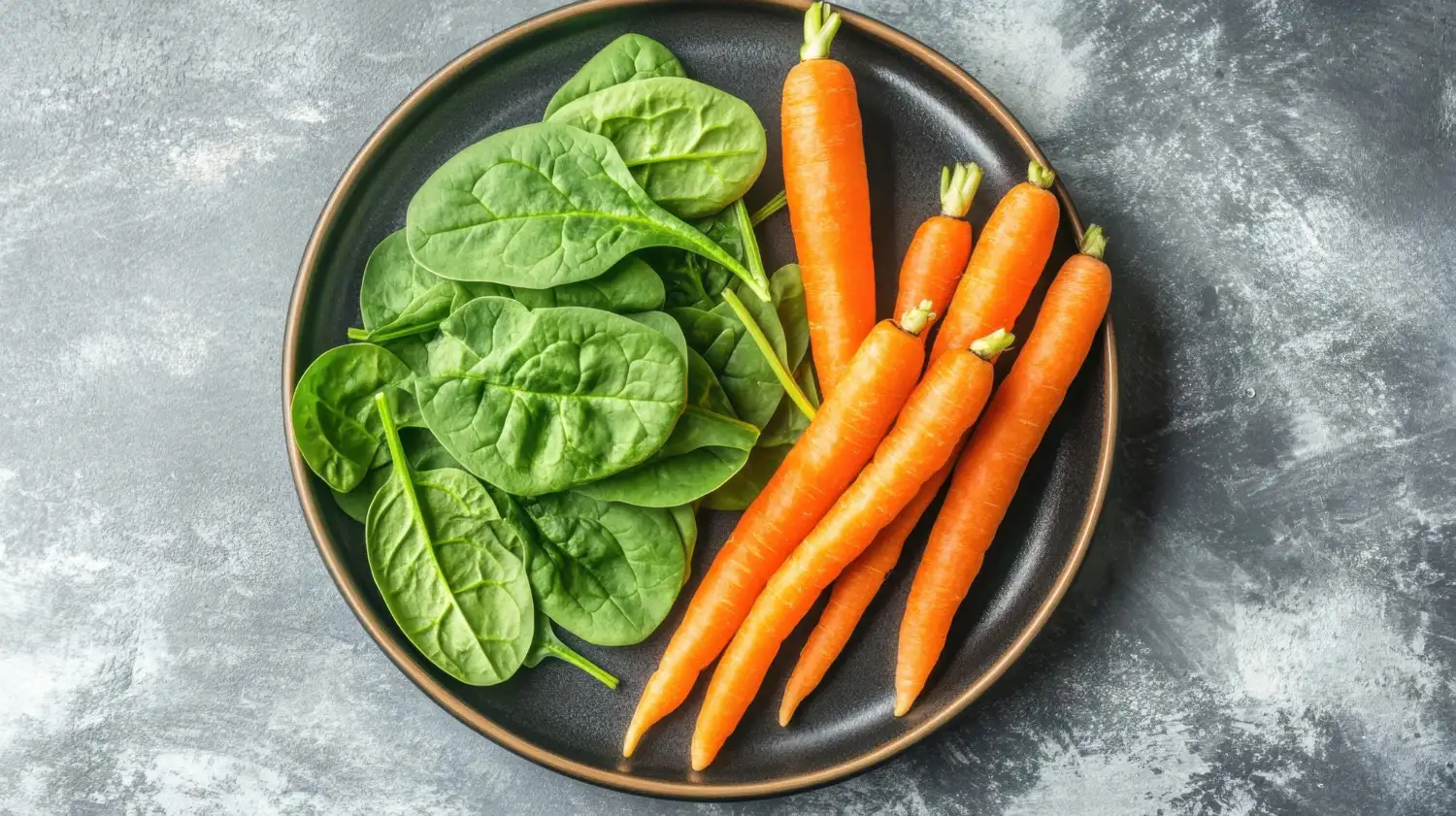
Why Diet Matters for Eye Health
The eyes require vitamins, minerals, and antioxidants to function properly. Nutrients such as vitamin A, vitamin C, vitamin E, omega-3 fatty acids, zinc, lutein, and zeaxanthin help protect the eyes from oxidative stress and support healthy vision. Eating a balanced diet can contribute to long-term eye wellness.
Carrots
Carrots are one of the most popular foods associated with good eyesight. They are packed with beta-carotene, which the body converts into vitamin A. This nutrient supports the retina and helps maintain clear vision, especially in low-light conditions.
Spinach and Kale
Leafy green vegetables like spinach and kale are rich in lutein and zeaxanthin. These powerful antioxidants accumulate in the retina and help filter harmful blue light. Regular consumption may reduce the risk of age-related eye conditions.
Fatty Fish
Salmon, sardines, tuna, and mackerel are excellent sources of omega-3 fatty acids. These healthy fats support the retina, reduce dry eye symptoms, and contribute to overall eye function. Including fish in your diet a couple of times a week can be beneficial.
Eggs
Eggs provide lutein, zeaxanthin, vitamin A, and zinc, all important nutrients for eye health. The yolk contains antioxidants that help protect the eyes from damage caused by prolonged exposure to sunlight and digital screens.
Citrus Fruits
Oranges, lemons, grapefruits, and other citrus fruits are loaded with vitamin C. This antioxidant helps maintain healthy blood vessels in the eyes and may lower the risk of cataracts and age-related vision problems.
Sweet Potatoes
Like carrots, sweet potatoes are rich in beta-carotene and vitamin A. They also provide vitamin E, which helps protect eye cells from damage caused by free radicals.
Nuts and Seeds
Almonds, walnuts, sunflower seeds, and flaxseeds are excellent sources of vitamin E and healthy fats. Vitamin E helps protect eye tissues from oxidative damage and supports long-term eye health.
Bell Peppers
Colorful bell peppers are high in vitamin C and contain antioxidants that support healthy eye tissues. Red and yellow peppers are especially rich in nutrients that contribute to better vision.
Broccoli
Broccoli combines vitamin C, vitamin E, and lutein, making it an excellent vegetable for eye health. These nutrients work together to protect the eyes from oxidative stress and support healthy vision.
Beans and Lentils
Legumes such as kidney beans, chickpeas, black beans, and lentils provide zinc, which helps transport vitamin A from the liver to the retina. Zinc also supports healthy night vision.
Berries
Blueberries, strawberries, and blackberries are rich in antioxidants and vitamin C. These nutrients help reduce inflammation and protect the delicate tissues of the eyes from damage.
Pumpkin
Pumpkin is another excellent source of beta-carotene and lutein. It also provides vitamin C, making it a nutritious choice for maintaining healthy eyesight throughout the year.
Tips for Better Eye Health
Healthy eyesight starts with healthy eating habits. Foods rich in vitamins A, C, E, omega-3 fatty acids, zinc, lutein, and zeaxanthin can help protect your vision and support eye health as you age. Pairing a balanced diet with regular eye care and healthy lifestyle habits is one of the best ways to keep your eyes functioning at their best for years to come.
Why Diet Matters for Eye Health
The eyes require vitamins, minerals, and antioxidants to function properly. Nutrients such as vitamin A, vitamin C, vitamin E, omega-3 fatty acids, zinc, lutein, and zeaxanthin help protect the eyes from oxidative stress and support healthy vision. Eating a balanced diet can contribute to long-term eye wellness. Carrots
Carrots are one of the most popular foods associated with good eyesight. They are packed with beta-carotene, which the body converts into vitamin A. This nutrient supports the retina and helps maintain clear vision, especially in low-light conditions.Spinach and Kale
Leafy green vegetables like spinach and kale are rich in lutein and zeaxanthin. These powerful antioxidants accumulate in the retina and help filter harmful blue light. Regular consumption may reduce the risk of age-related eye conditions. Fatty Fish
Salmon, sardines, tuna, and mackerel are excellent sources of omega-3 fatty acids. These healthy fats support the retina, reduce dry eye symptoms, and contribute to overall eye function. Including fish in your diet a couple of times a week can be beneficial.Eggs
Eggs provide lutein, zeaxanthin, vitamin A, and zinc, all important nutrients for eye health. The yolk contains antioxidants that help protect the eyes from damage caused by prolonged exposure to sunlight and digital screens. Citrus Fruits
Oranges, lemons, grapefruits, and other citrus fruits are loaded with vitamin C. This antioxidant helps maintain healthy blood vessels in the eyes and may lower the risk of cataracts and age-related vision problems. Sweet Potatoes
Like carrots, sweet potatoes are rich in beta-carotene and vitamin A. They also provide vitamin E, which helps protect eye cells from damage caused by free radicals. Nuts and Seeds
Almonds, walnuts, sunflower seeds, and flaxseeds are excellent sources of vitamin E and healthy fats. Vitamin E helps protect eye tissues from oxidative damage and supports long-term eye health.You may also like
- Chinese proverb of the day: "When you have only two pennies left in the world, buy a…" - powerful lesson about bread, beauty and a meaningful life
- Which season offers the best start for installing solar panels? Find out the perfect time.
- He had 20 backlogs, lost his father, missed his dream job: At 29, the future pilot is finally learning to fly
- Google and Facebook Account Settings: What happens to your accounts after you're gone? Set up your digital will today.
- UPI Tax: Tax to be levied on digital payments above ₹2,000; government preparing new rules
Bell Peppers
Colorful bell peppers are high in vitamin C and contain antioxidants that support healthy eye tissues. Red and yellow peppers are especially rich in nutrients that contribute to better vision. Broccoli
Broccoli combines vitamin C, vitamin E, and lutein, making it an excellent vegetable for eye health. These nutrients work together to protect the eyes from oxidative stress and support healthy vision. Beans and Lentils
Legumes such as kidney beans, chickpeas, black beans, and lentils provide zinc, which helps transport vitamin A from the liver to the retina. Zinc also supports healthy night vision. Berries
Blueberries, strawberries, and blackberries are rich in antioxidants and vitamin C. These nutrients help reduce inflammation and protect the delicate tissues of the eyes from damage. Pumpkin
Pumpkin is another excellent source of beta-carotene and lutein. It also provides vitamin C, making it a nutritious choice for maintaining healthy eyesight throughout the year.Tips for Better Eye Health
- Eat a colorful variety of fruits and vegetables every day.
- Include healthy fats such as fish, nuts, and seeds in your diet.
- Stay hydrated to help prevent dry eyes.
- Wear sunglasses outdoors to protect your eyes from UV rays.
- Limit excessive screen time and follow the 20-20-20 rule.
- Schedule regular eye examinations for early detection of vision problems.
Healthy eyesight starts with healthy eating habits. Foods rich in vitamins A, C, E, omega-3 fatty acids, zinc, lutein, and zeaxanthin can help protect your vision and support eye health as you age. Pairing a balanced diet with regular eye care and healthy lifestyle habits is one of the best ways to keep your eyes functioning at their best for years to come.






Loving Newspoint? Download the app now
