
Best Foods To Naturally Lower High Blood Pressure & Improve Heart Health

High blood pressure, also known as hypertension, is a common yet serious health condition that increases the risk of heart disease, stroke, and other complications. While medication can help manage blood pressure levels, diet plays a crucial role in keeping it under control. Certain foods are packed with essential nutrients such as potassium, magnesium, and fibre, which support heart health and help regulate blood pressure naturally. Including these foods in your daily meals can contribute to overall well-being and reduce the risks associated with hypertension. Here are five of the best foods that can help manage high blood pressure effectively.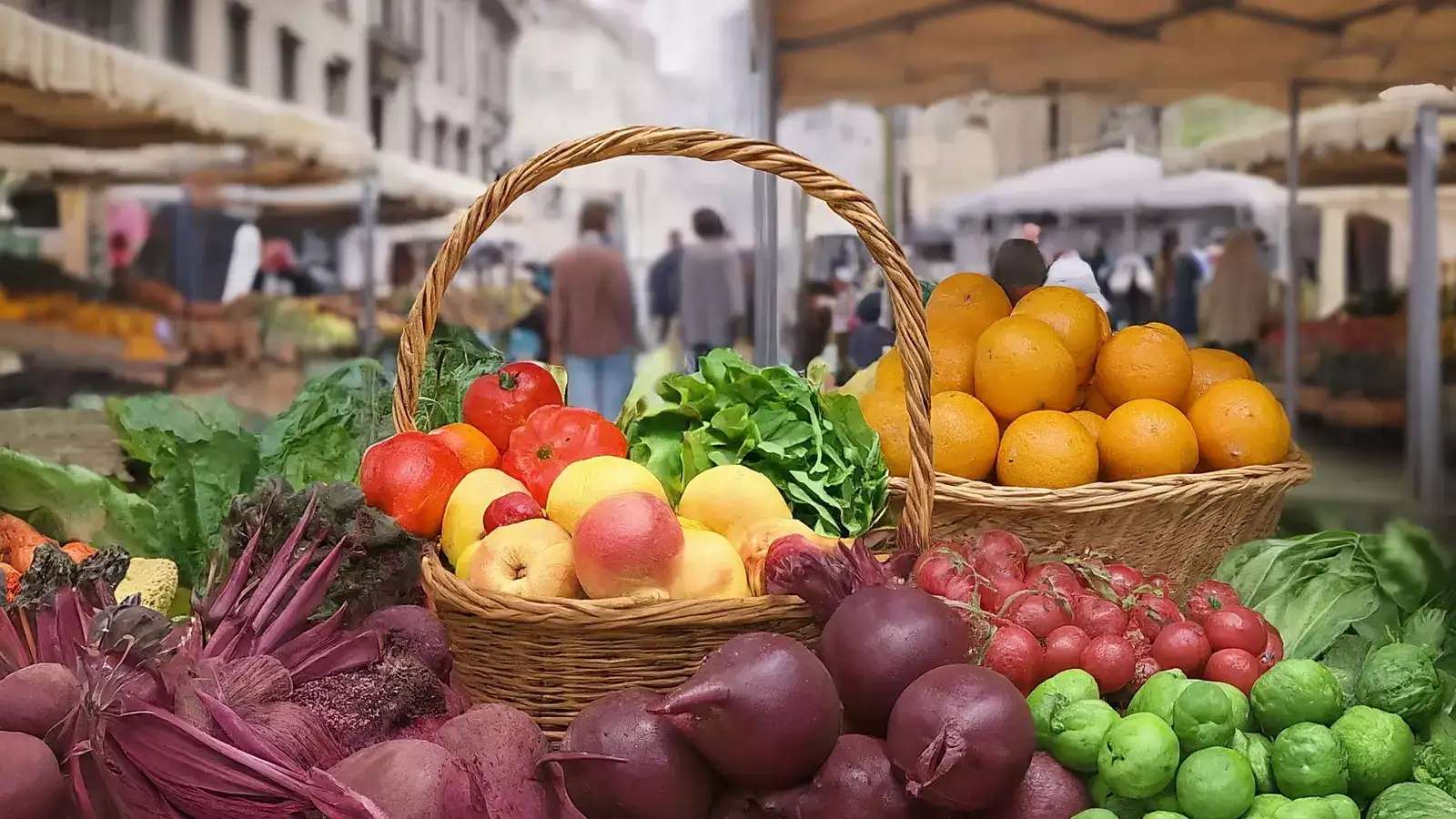
Leafy Green Vegetables
Leafy greens such as spinach, kale, Swiss chard, and lettuce are rich in potassium, which helps balance sodium levels in the body. Excess sodium is a leading cause of high blood pressure, and potassium helps the kidneys remove it from the bloodstream, reducing strain on the heart. These vegetables are also high in nitrates, which have been shown to help relax blood vessels and improve circulation. Adding leafy greens to salads, smoothies, or cooked dishes is a simple and delicious way to support heart health.
Berries
Berries, particularly blueberries, strawberries, and raspberries, are loaded with antioxidants known as flavonoids, which help improve blood vessel function and reduce blood pressure. Studies have shown that people who consume berries regularly tend to have better heart health due to their ability to lower inflammation and improve circulation. These fruits are also high in fibre, which supports overall cardiovascular health. Berries make an excellent snack, can be added to breakfast cereals, or blended into smoothies for a refreshing and nutritious boost.
Oats
Oats are a fantastic source of soluble fibre, which helps lower bad cholesterol and regulate blood pressure. The beta-glucan found in oats has been linked to improved heart health by reducing artery stiffness and promoting better blood flow. A bowl of oatmeal in the morning can help maintain steady energy levels while providing essential nutrients such as magnesium and potassium. Choosing whole oats rather than processed varieties with added sugar ensures maximum health benefits.
Fatty Fish
Fatty fish such as salmon, mackerel, sardines, and trout are packed with omega-3 fatty acids, which have been shown to reduce blood pressure and inflammation. Omega-3s help widen blood vessels, making it easier for blood to circulate and reducing strain on the heart. These healthy fats also lower triglyceride levels, further protecting against heart disease. Including fatty fish in your diet at least twice a week can provide significant benefits. Grilling, baking, or steaming fish with herbs and lemon is a simple and tasty way to enjoy this heart-friendly food.
Bananas
Bananas are one of the best sources of natural potassium, a key mineral for blood pressure regulation. Potassium helps counteract the effects of sodium, preventing fluid retention and reducing pressure on blood vessels. Bananas are also high in fibre, which aids digestion and supports overall heart health. They are an easy and convenient snack, perfect for adding to smoothies, porridge, or yoghurt. Including more potassium-rich fruits in your diet can make a noticeable difference in managing hypertension.
Additional Tips for Managing High Blood Pressure
While incorporating these foods into your diet can help lower blood pressure, it is essential to maintain an overall heart-healthy lifestyle. Reducing sodium intake by avoiding processed and salty foods is crucial. Drinking plenty of water, managing stress, and getting regular exercise also contribute to better heart health. Cutting back on caffeine and alcohol can further support stable blood pressure levels. If you are on medication, consult your doctor before making any major dietary changes.
Managing high blood pressure does not have to be complicated. A balanced diet rich in heart-healthy foods like leafy greens, berries, oats, fatty fish, and bananas can help regulate blood pressure naturally and reduce the risk of heart disease. Making small but consistent changes to your eating habits can lead to significant improvements in overall health. By focusing on nutrient-dense foods and maintaining a healthy lifestyle, you can take proactive steps towards keeping your blood pressure under control and enjoying a longer, healthier life.
Leafy Green Vegetables
Leafy greens such as spinach, kale, Swiss chard, and lettuce are rich in potassium, which helps balance sodium levels in the body. Excess sodium is a leading cause of high blood pressure, and potassium helps the kidneys remove it from the bloodstream, reducing strain on the heart. These vegetables are also high in nitrates, which have been shown to help relax blood vessels and improve circulation. Adding leafy greens to salads, smoothies, or cooked dishes is a simple and delicious way to support heart health.
Berries
Berries, particularly blueberries, strawberries, and raspberries, are loaded with antioxidants known as flavonoids, which help improve blood vessel function and reduce blood pressure. Studies have shown that people who consume berries regularly tend to have better heart health due to their ability to lower inflammation and improve circulation. These fruits are also high in fibre, which supports overall cardiovascular health. Berries make an excellent snack, can be added to breakfast cereals, or blended into smoothies for a refreshing and nutritious boost.
You may also like
- Potlis to power pieces: It-bags take over weddings
- Rain or shine, couples are saying 'I do' this monsoon
- This Kerala girl climbed North Africa's highest peak at 8; her father's parenting came down to one question: "I asked her if she wanted to give up... she said a strict no"
- From lullabies to careers: Keeping screens aside
- Underarm odor: Do you often experience the smell of sweat in your armpits? This simple trick while showering will eliminate the odor problem
Oats
Oats are a fantastic source of soluble fibre, which helps lower bad cholesterol and regulate blood pressure. The beta-glucan found in oats has been linked to improved heart health by reducing artery stiffness and promoting better blood flow. A bowl of oatmeal in the morning can help maintain steady energy levels while providing essential nutrients such as magnesium and potassium. Choosing whole oats rather than processed varieties with added sugar ensures maximum health benefits.
Fatty Fish
Fatty fish such as salmon, mackerel, sardines, and trout are packed with omega-3 fatty acids, which have been shown to reduce blood pressure and inflammation. Omega-3s help widen blood vessels, making it easier for blood to circulate and reducing strain on the heart. These healthy fats also lower triglyceride levels, further protecting against heart disease. Including fatty fish in your diet at least twice a week can provide significant benefits. Grilling, baking, or steaming fish with herbs and lemon is a simple and tasty way to enjoy this heart-friendly food.
Bananas
Bananas are one of the best sources of natural potassium, a key mineral for blood pressure regulation. Potassium helps counteract the effects of sodium, preventing fluid retention and reducing pressure on blood vessels. Bananas are also high in fibre, which aids digestion and supports overall heart health. They are an easy and convenient snack, perfect for adding to smoothies, porridge, or yoghurt. Including more potassium-rich fruits in your diet can make a noticeable difference in managing hypertension.
Additional Tips for Managing High Blood Pressure
While incorporating these foods into your diet can help lower blood pressure, it is essential to maintain an overall heart-healthy lifestyle. Reducing sodium intake by avoiding processed and salty foods is crucial. Drinking plenty of water, managing stress, and getting regular exercise also contribute to better heart health. Cutting back on caffeine and alcohol can further support stable blood pressure levels. If you are on medication, consult your doctor before making any major dietary changes.
Managing high blood pressure does not have to be complicated. A balanced diet rich in heart-healthy foods like leafy greens, berries, oats, fatty fish, and bananas can help regulate blood pressure naturally and reduce the risk of heart disease. Making small but consistent changes to your eating habits can lead to significant improvements in overall health. By focusing on nutrient-dense foods and maintaining a healthy lifestyle, you can take proactive steps towards keeping your blood pressure under control and enjoying a longer, healthier life.






Loving Newspoint? Download the app now
