
From Awareness to Aesthetic: How Social Media Is Reframing Anxiety

In the last few years, social media has become one of the most influential spaces for mental health discourse, especially among younger users. Hashtags like #anxiety, #mentalhealth, and creative aesthetic formats such as calming reels, text-over-laid visuals, and pastel-toned infographics have made conversations about anxiety more visible and “Instagram-worthy.” But this new form of communication is reshaping what people think anxiety looks and feels like, for better and for worse.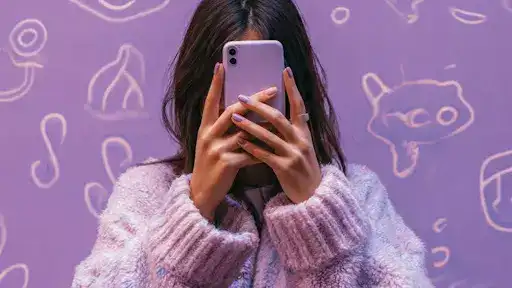
The Rise of Aesthetic Mental Health Content
Platforms like TikTok and Instagram have given rise to a wave of mental health creators who use visually appealing content to talk about anxiety and stress. This style ranges from minimalist quotes and GIFs to soothing video edits that pair moody music with text about anxious thoughts. For many young people, these posts feel relatable and validating, helping reduce stigma around talking openly about mental health.
Indeed, researchers have found that social media can both promote perceived social support and decrease some levels of anxiety when positive interactions occur, and users feel connected.
When Aesthetics Meet Awareness
Social media’s role in mental health awareness isn’t entirely aesthetic. Studies show that even subtle messaging styles, such as language that encourages a growth mindset about anxiety and depression, can influence how young people view treatment possibilities and the nature of their symptoms.
For some, seeing others share real experiences reduces isolation and encourages help-seeking. Platforms have also helped destigmatize discussions around anxiety by normalizing phrases like “anxiety check-in” or “it’s okay to feel this way,” which give a common vocabulary to internal experiences.
The Romanticization and Risks
Yet not all of this trend is beneficial. Researchers studying online discourse note a growing pattern of romanticizing or glamorizing mental health conditions. Some users criticized how anxiety and depression are portrayed as cute or quirky, a trend that can obscure the very real struggles of those living with clinical conditions.
Similarly, investigations into popular mental health content have found that more than half of the top-viewed posts under #mentalhealthtips on TikTok contained misleading or oversimplified advice about anxiety and other disorders. Experts warn that such content may trivialize serious conditions or push incorrect solutions.
The Double-Edged Algorithm
Part of what fuels this trend is how platforms’ recommendation systems work. Analyses indicate that mental health-related content, including depictions of anxiety, can persist in user feeds longer than other topics. This amplification can create feedback loops that intensify emotional focus and shape perceptions, sometimes without a professional context.
That means while someone may first see a supportive video about managing anxiety, they may be next served with stylized, anecdotal, or even inaccurate content, blurring lines between awareness and misinformation.
Finding Balance in the Feed
Experts say mindful engagement is key. Social media can be a powerful tool for community and normalization, but it should complement, not replace, professional advice and real-life support. Users are encouraged to critically assess content, check sources, and prioritize evidence-based resources when exploring mental health topics online.
The Rise of Aesthetic Mental Health Content
Platforms like TikTok and Instagram have given rise to a wave of mental health creators who use visually appealing content to talk about anxiety and stress. This style ranges from minimalist quotes and GIFs to soothing video edits that pair moody music with text about anxious thoughts. For many young people, these posts feel relatable and validating, helping reduce stigma around talking openly about mental health.
Indeed, researchers have found that social media can both promote perceived social support and decrease some levels of anxiety when positive interactions occur, and users feel connected.
You may also like
- JJ Valaya's SIDDI was a love letter to heritage, craft and timeless couture
- From Delhi to Odisha: Heavy to extremely heavy rainfall expected across India; IMD warns of flooding and travel disruptions
- Word of the day: Bollard
- Makeup brand giving away 1,000s of free driving lessons because their primer is so strong
- Quote of the Day by Confucius, "When you see a worthy person, endeavor to emulate him. When you see an unworthy person, then...."
When Aesthetics Meet Awareness
Social media’s role in mental health awareness isn’t entirely aesthetic. Studies show that even subtle messaging styles, such as language that encourages a growth mindset about anxiety and depression, can influence how young people view treatment possibilities and the nature of their symptoms.
For some, seeing others share real experiences reduces isolation and encourages help-seeking. Platforms have also helped destigmatize discussions around anxiety by normalizing phrases like “anxiety check-in” or “it’s okay to feel this way,” which give a common vocabulary to internal experiences.
The Romanticization and Risks
Yet not all of this trend is beneficial. Researchers studying online discourse note a growing pattern of romanticizing or glamorizing mental health conditions. Some users criticized how anxiety and depression are portrayed as cute or quirky, a trend that can obscure the very real struggles of those living with clinical conditions.
Similarly, investigations into popular mental health content have found that more than half of the top-viewed posts under #mentalhealthtips on TikTok contained misleading or oversimplified advice about anxiety and other disorders. Experts warn that such content may trivialize serious conditions or push incorrect solutions.
The Double-Edged Algorithm
Part of what fuels this trend is how platforms’ recommendation systems work. Analyses indicate that mental health-related content, including depictions of anxiety, can persist in user feeds longer than other topics. This amplification can create feedback loops that intensify emotional focus and shape perceptions, sometimes without a professional context.
That means while someone may first see a supportive video about managing anxiety, they may be next served with stylized, anecdotal, or even inaccurate content, blurring lines between awareness and misinformation.
Finding Balance in the Feed
Experts say mindful engagement is key. Social media can be a powerful tool for community and normalization, but it should complement, not replace, professional advice and real-life support. Users are encouraged to critically assess content, check sources, and prioritize evidence-based resources when exploring mental health topics online.






Loving Newspoint? Download the app now
